
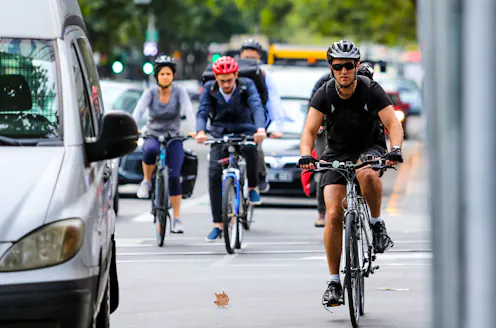
We want healthy, liveable cities and to cut emissions to net zero. Getting more people to use bicycles instead of cars will go a long way towards achieving these goals.
- Professor, Director Australian Urban Observatory, Centre for Urban Research, RMIT University
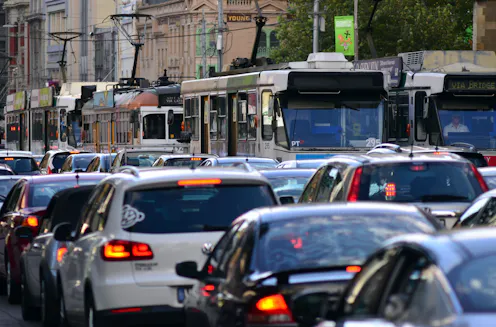
City planning needs up-to-date data on where people work, how they get to work and how far they travel. Normally the census provides that, but this time round our biggest cities were in lockdown.

The lack of dedicated funding and support for research commercialisation, on top of the other obstacles academics face, means Australia’s poor performance is no mystery.
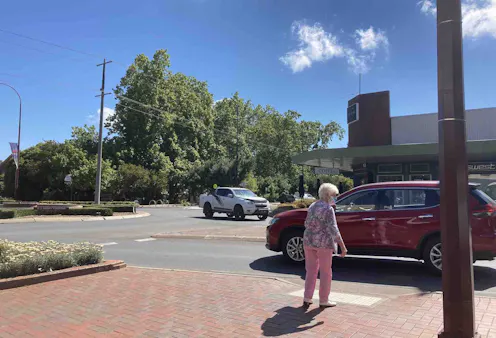
If Australia created more age-friendly neighbourhoods — which really are more liveable for everyone — then we wouldn’t have to rely so heavily on underfunded, substandard aged-care homes.
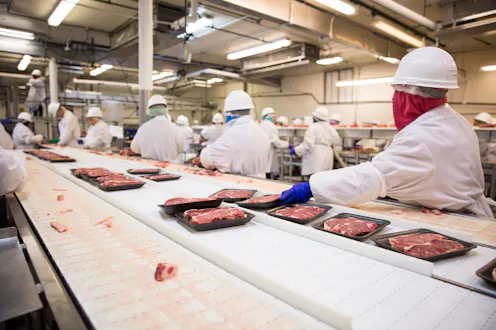
Not everyone has a job they can do from home. Mapping the patterns of occupations across Melbourne’s suburbs against COVID-19 cases strongly suggests why some parts of the city are more vulnerable.

We are all finding out about neighbourhood liveability as we stay home for the coronavirus lockdown. What we learn about local strengths and weaknesses can help us improve our communities in future.
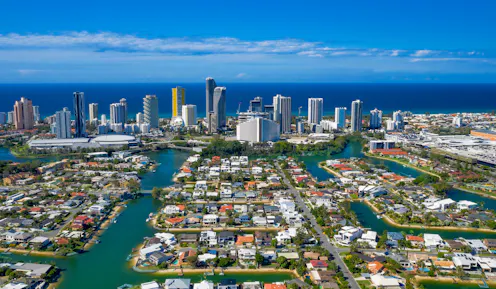
Geelong, Albury-Wodonga and Wollongong do as well on access to services as many capitals and even outperform a few, but poor planning is affecting liveability for too many regional city residents.
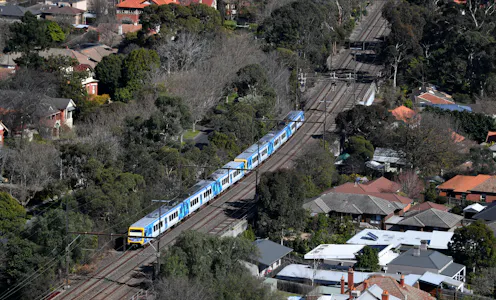
Every year, our big cities vie for global liveability honours. But as well as differences between the cities, liveability varies widely within them, leaving plenty of work to be done.

Regional areas are expanding, and yet not enough attention is being paid to improving rail access to capital cities. This affects the liveability of the areas.
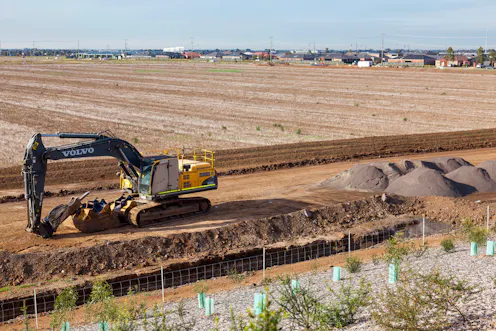
Traditionally, new communities first get hard infrastructure – schools, hospitals, transport – and ‘soft’ social infrastructure comes later. Liveability and public health suffer as a result.
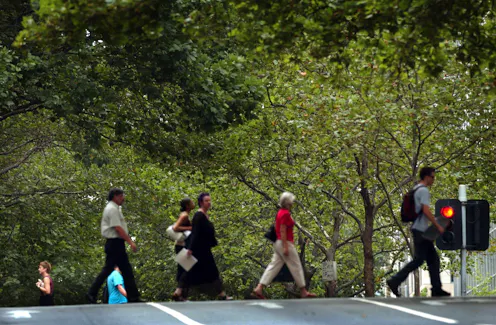
Greening cities that are becoming denser is a major challenge. City-dwellers’ health benefits from both well-designed green spaces and urban density, so we must manage the tensions between them.

Where you live affects your health and life expectancy. This makes it possible to map health outcomes against train stations, so that you can readily see the inequalities across cities like Melbourne.
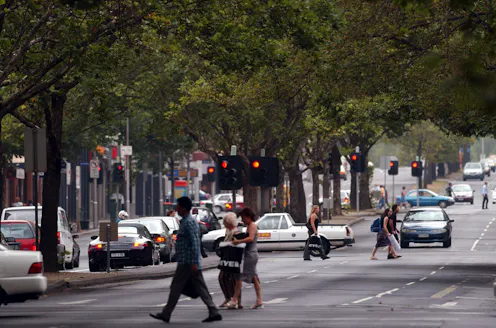
Six years after Black Saturday, it’s worth remembering that heatwaves kill more people than bushfires do, so shade can be a life-saver. But tree cover and shade are not evenly distributed in cities.
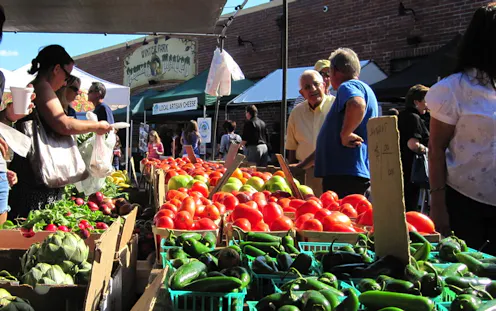
Communities that rate highly for liveability share certain essential features. We can identify and build these key ingredients into our cities to create thriving places where people want to live.
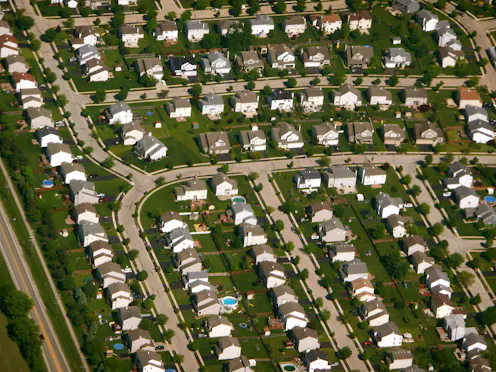
Social isolation and loneliness are becoming common in our large cities. Our cities are sprawling, housing is becoming more unaffordable, people are travelling further and longer in their cars and household…
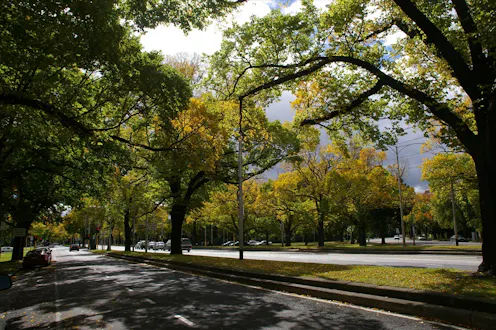
When you look out of your window in the morning, how many trees do you see? Your answer might depend on what suburb you live in. As you go further from the city centre, the amount of tree cover in a suburb…
Contact Melanie for
- General
- Media request
- Speaking request
- Consulting / Advising
- Research collaboration
- Research supervision
- Location: Melbourne Victoria
- Website
- X (formerly Twitter): @mtdavern
- Article Feed
- ORCID
- Joined
