
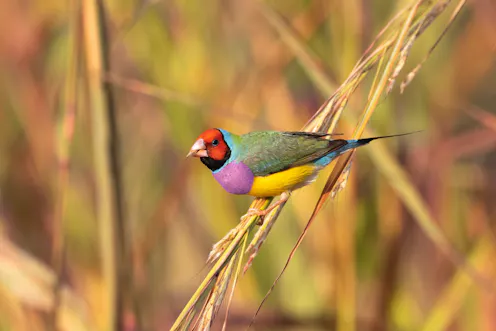
When Labor took office, it promised to reverse nature’s decline. But that looks more and more like greenwashing
- Senior Lecturer, Public Sector Management, School of Business, UNSW

An end to extinctions. An environmental cop on the beat. Labor promised a great deal on the environment. But yesterday, they backed away from the main challenge.
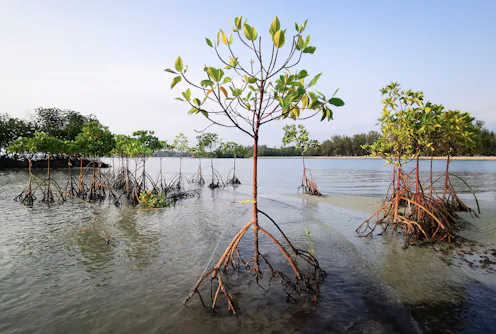
Nature positive is the new rallying cry to reverse environmental decline. But it could easily become greenwash – if we’re not careful.
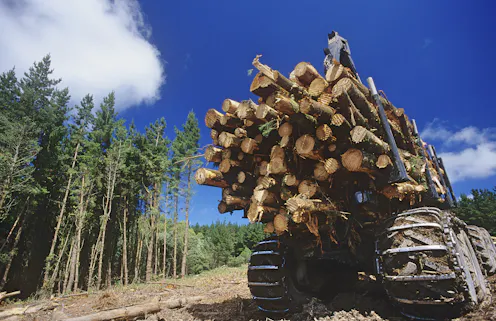
Your super is likely exposed to major nature-based risks. How big a risk? We don’t know - because to date, banks and super funds haven’t looked into it. But that’s likely to change
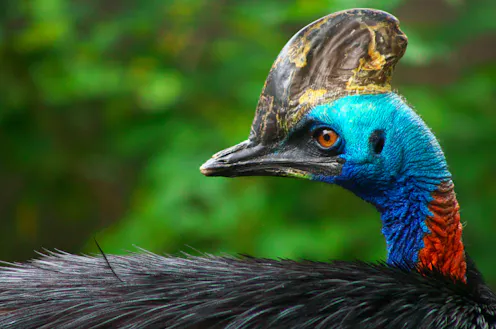
The nature repair market is sold as a good news story: willing land managers benefiting nature with support from the private sector. But if offsets are part of it, the reality could be very different.
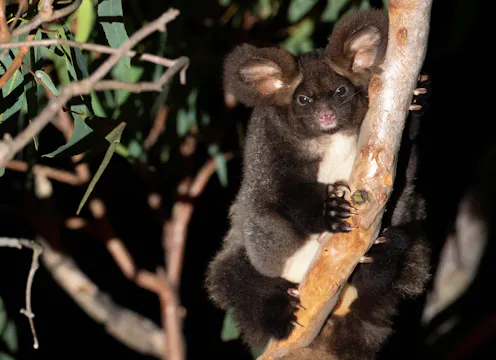
Yes, the new threatened species plan is better. But it’s nowhere near enough to actually prevent Australian species from dying out
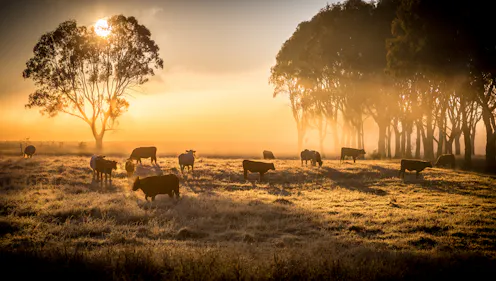
Our new analysis suggests the vast majority of carbon credits granted for regrowing native forests either has not occurred, or would have occurred anyway.
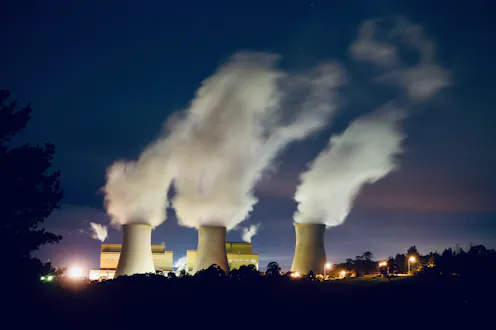
Labor has promised a 43% cut in Australia’s emissions by 2030 and a high-integrity carbon credit market is vital to reaching this goal.
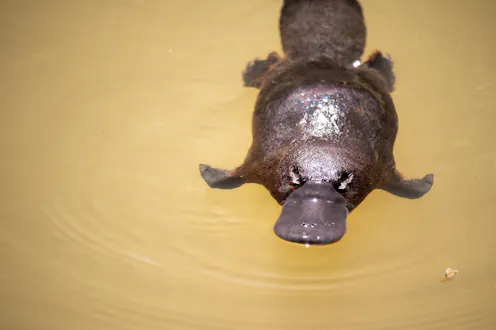
We don’t have to passively sit back and watch Australia’s species and ecosystems die. Here are five concrete steps the next government should take.
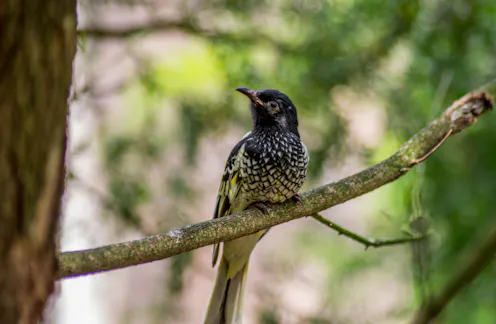
Under a new code, rural landholders in NSW will be allowed to clear up to 25 metres of land outside their property boundary. This will be devastating for the wildlife that live or migrate there.

There’s a growing push among businesses, including the finance sector, to protect the climate and nature.
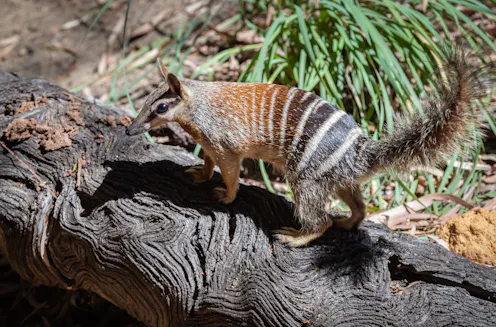
The first Threatened Species Strategy fizzled out last year without making a big difference to conservation. With the next strategy due to roll out this year, let’s look at what needs to change.

The proposed changes to be introduced to Parliament in August may ultimately damage the natural places they’re designed to protect.
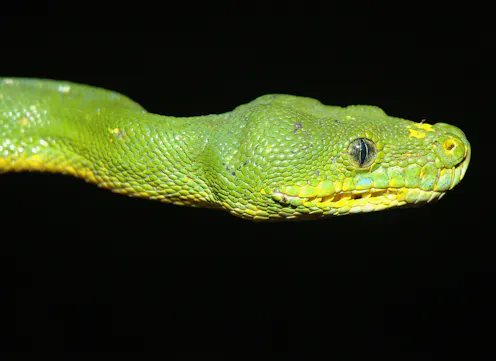
Australia’s species, like this green python, are remarkable and need far better protection.
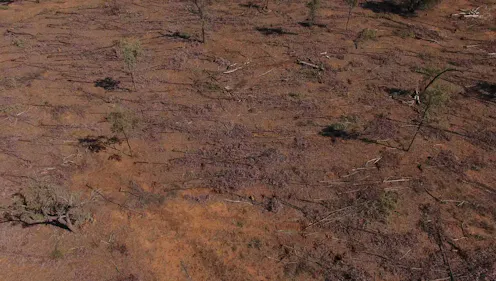
Legal vegetation ‘thinning’ is contributing to high rates of land clearing, potentially causing problems for threatened species and ecosystems.
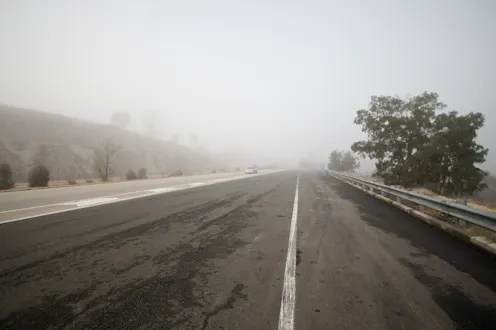
When the Hume Highway was widened, hundreds of nest boxes were installed to replace habitat for three threatened species. Four years of monitoring has concluded the program is entirely unsuccessful.
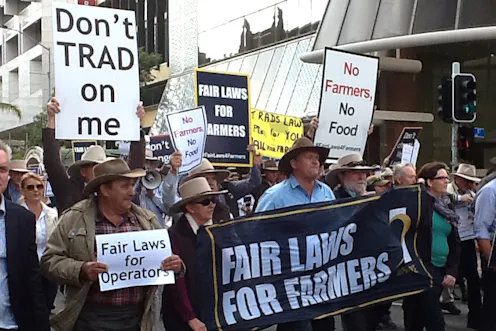
Moves to tighten land-clearing laws in Queensland and New South Wales have been met with outrage from farmers. So how can we get regulation right?
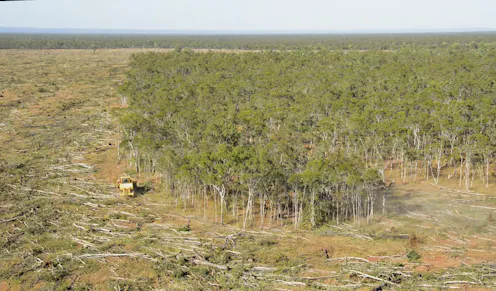
Back and forth over land-clearing laws has left landowners confused and native forests vulnerable.
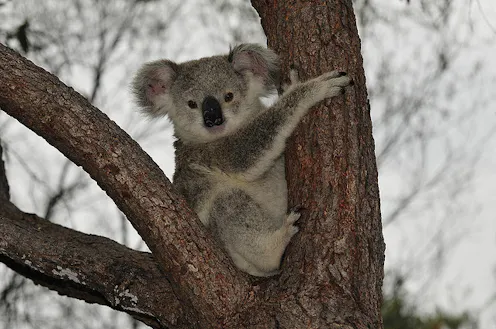
With bids open today for the government’s Emissions Reduction Fund, experts explain how storing carbon can be a win for wildlife too.
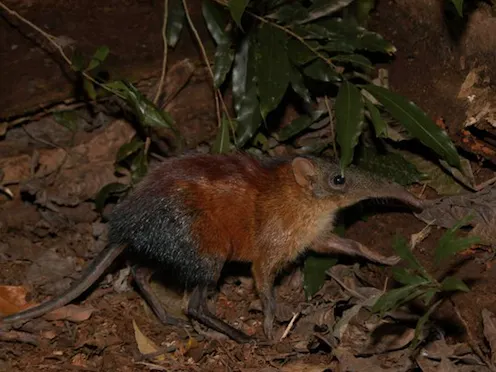
Kakadu National Park, Western Australia’s Shark Bay and Queensland’s wet tropics are among the world’s most important protected areas for conserving species, according to a study published today in the…
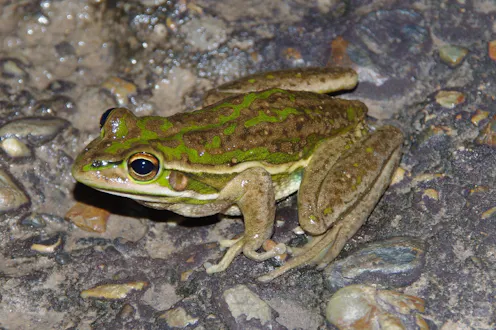
Clive Palmer’s China First Coal Project is entering the last stages of review for its proposed coal mine in Queensland’s Bimblebox Nature Refuge. As part of the Supplementary Environmental Impact Statement…
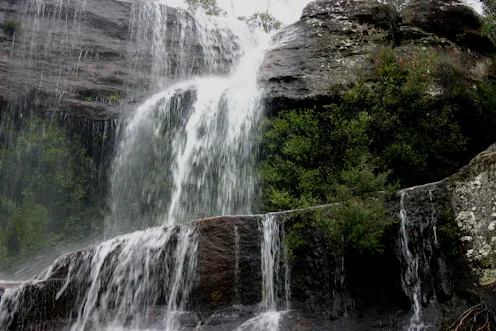
The New South Wales government last week said it would ban mining in the newly announced Dharawal National Park, an area where Illawara Coal was planning to extract up to $40 billion worth of black coal…
Contact Megan for
- General
- Media request
- Speaking request
- Consulting / Advising
- Research collaboration
- Research supervision
- Location: Canberra, Australia
- Website
- X (formerly Twitter): @megcevans
- Article Feed
- ORCID
- Joined
