
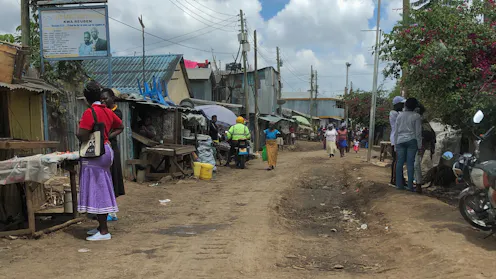
A study of 701 households in Nairobi found that rising food and fuel prices after Russia’s invasion of Ukraine forced many families to eat and cook less.
- Postdoctoral Research Associate in Environmental Public Health, Harvard University
- Postdoctoral Research Associate, University of Liverpool
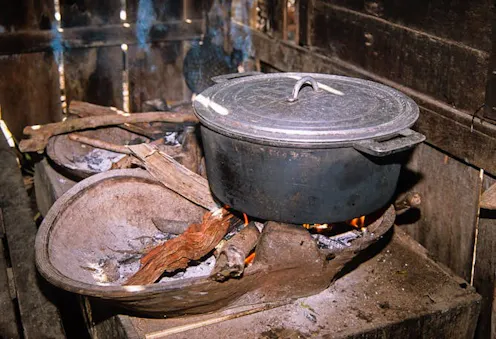
La poussière et la pollution due à la circulation s'ajoutent aux risques sanitaires posés par certains combustibles de cuisson.
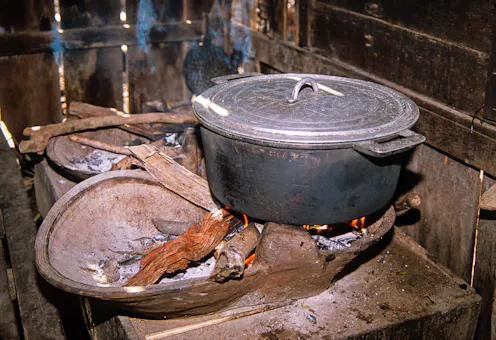
Dust and traffic pollution add to the health hazard posed by some cooking fuels.
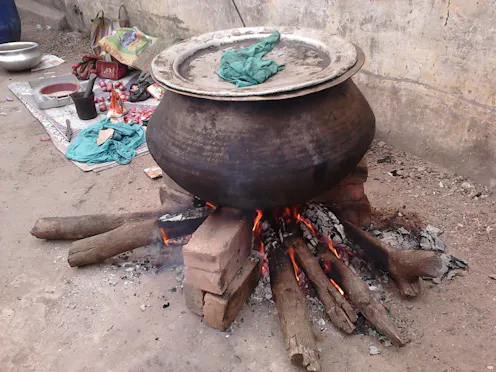
In urbanising communities in sub-Saharan Africa, women cooking primarily with charcoal and wood had approximately 50% higher odds of likely depression than those cooking with gas.

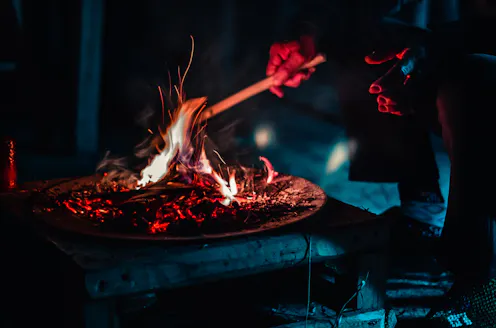
Cooking with wood and charcoal can raise indoor air pollution to dangerous levels.
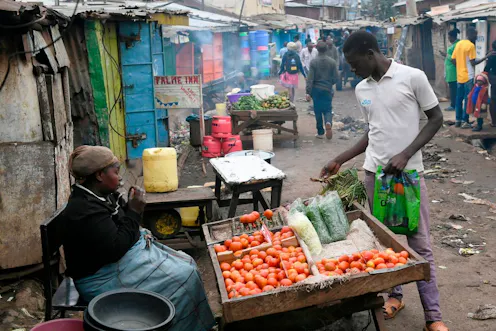
To cope with loss of income, some Nairobi households opted for cheaper foods, or conserved their cooking fuel by preparing smaller meals.
Replacing wood stoves is essential but won’t solve the indoor air pollution epidemic on its own.
Contact Matthew for
- General
- Media request
- Speaking request
- Consulting / Advising
- Research collaboration
- Research supervision
- Location: Boston, Massachusetts
- Website
- X (formerly Twitter): @matt_shup
- Article Feed
- ORCID
- Joined

