
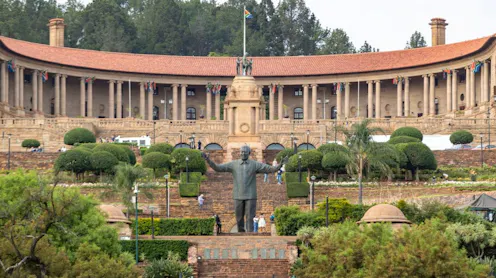
Most of South Africa’s government officials don’t know how to use technology to improve efficiency.
- Professor of Public Affairs, Tshwane University of Technology
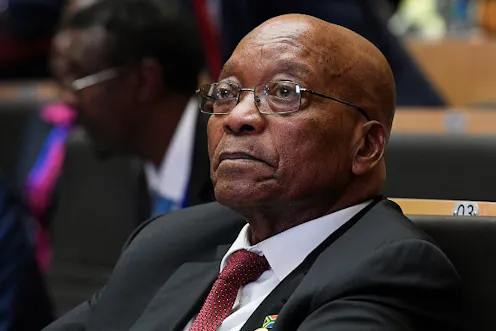
Zuma’s uMkhonto weSizwe is now the largest party in KwaZulu-Natal and the fourth biggest nationally.
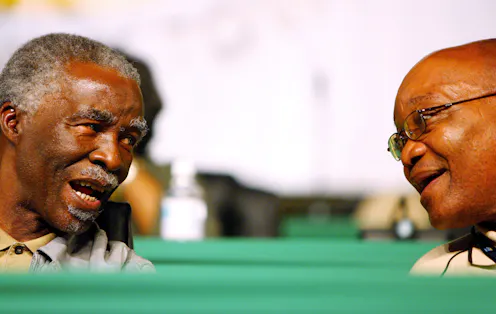
The second episode of What happened to Nelson Mandela’s South Africa?, a three-part podcast series on The Conversation Weekly. Featuring interviews with Mashupye Maserumule and Michael Sachs.
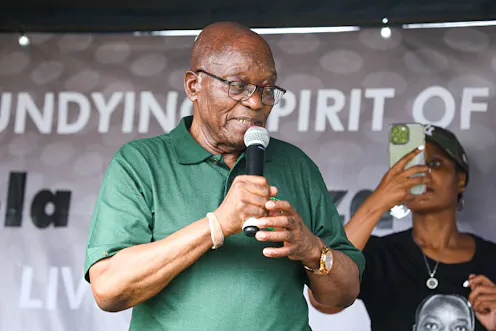
The ANC tied itself in knots defending Zuma’s destructive bad behaviour in the past. Acting against him now would require it to own up to its sins.
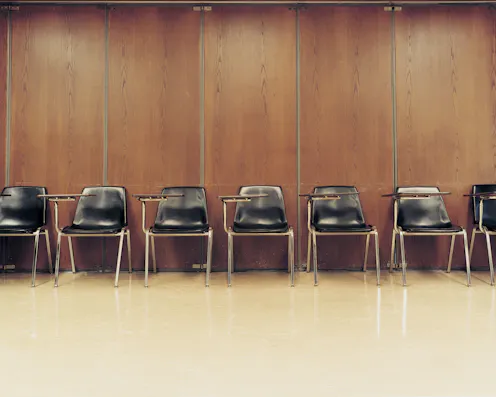
If public administration education is designed and delivered poorly, it sets a course for the systematic destruction of state capability.
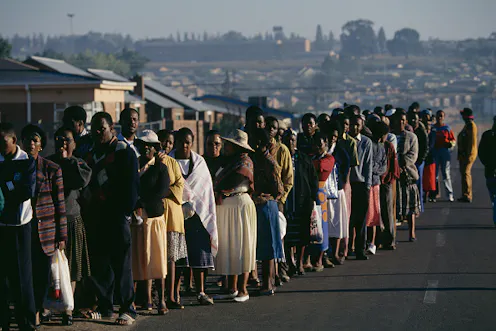
The proportional representation system has long outlived its relevance. Its negative extremes abound in local government.
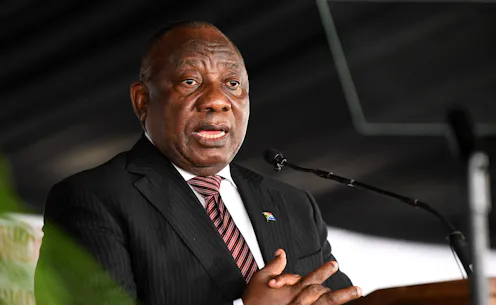
Almost 30 years into democracy, South Africa still hasn’t ensured the jobs of senior public servants are not tied to the tenure of government ministers.
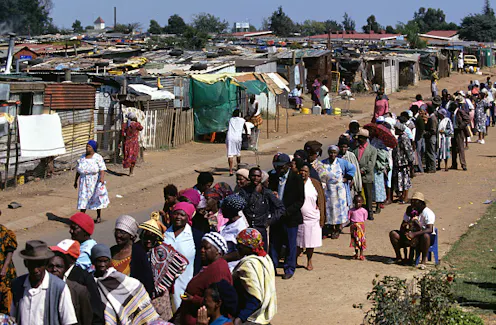
Freedom Day needs to be used by South Africans to renew their commitment to correcting their country’s faults.
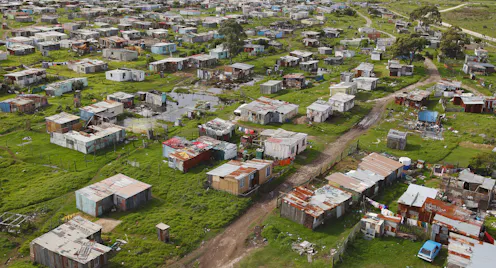
Despite environmental education topics in curricula, not all children are aware of the elements that endanger the planet or actively involved in taking care of the environment.
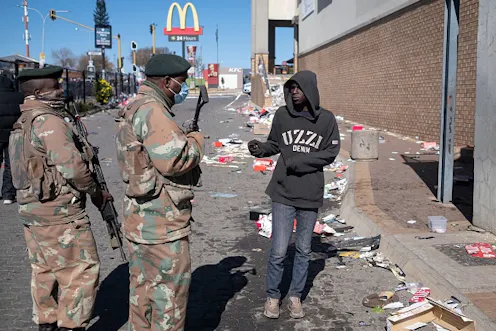
After 1994 efforts were made to embed democracy. The focus was on policy and institution-building. What was missing was ensuring all South Africans were on board.
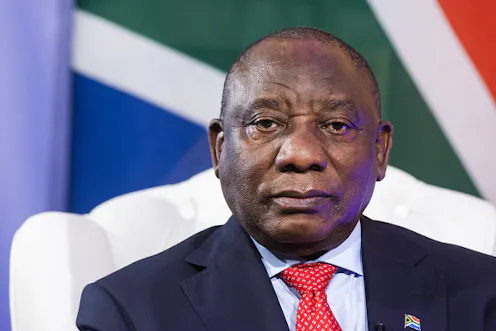
Ramaphosa is set to go down in the annals of history as an ANC president who presided over a tumultuous epoch in the party’s evolution.

South Africa’s constitution provides for equal access to education and its inclusive education policy exists to make this a reality. But in practice students’ diverse needs are not being met.
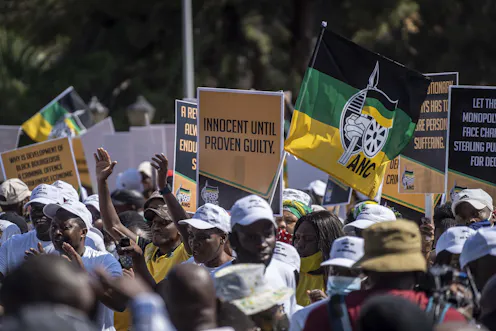
Morals and laws are not binaries. They complement each other to enable harmonious coexistence.
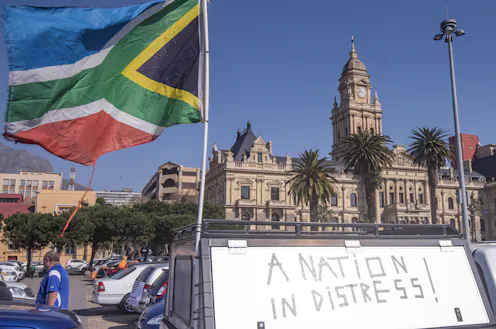
The government was initially praised for its handling of the COVID-19 pandemic but powerful interests could now be pushing its containment plans off course
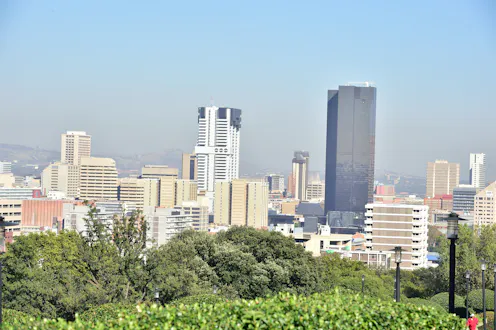
The stalemate in Tshwane is a manifestation of coalition arrangements that serve the partisan interests of parties, to the detriment of citizens.
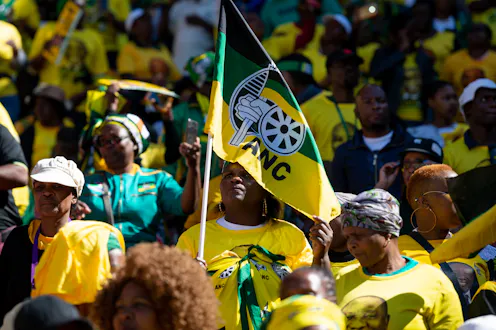
The book is set to heighten the debate about the future of the party, whose dominance has been in decline since 2009.
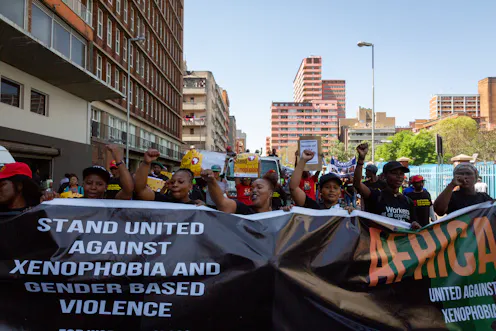
Xenophobia negates the spirit of pan-Africanism, especially its ideal that Africans share a mutual bond, regardless of their geographical location.
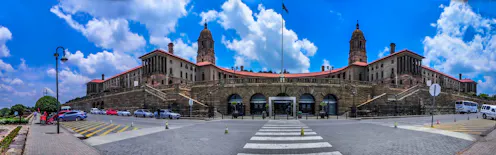
South Africa’s governance challenge can’t simply be fixed by reorganising the structure of government.
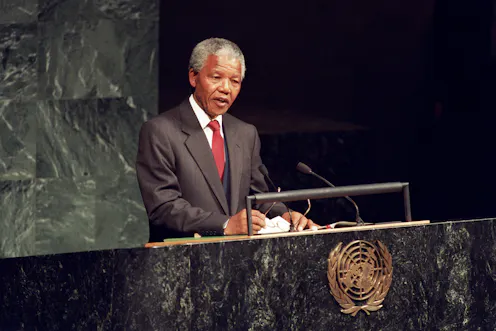
Nelson Mandela’s centenary celebrations provide a chance to debunk the lie that he sold out black South Africans.
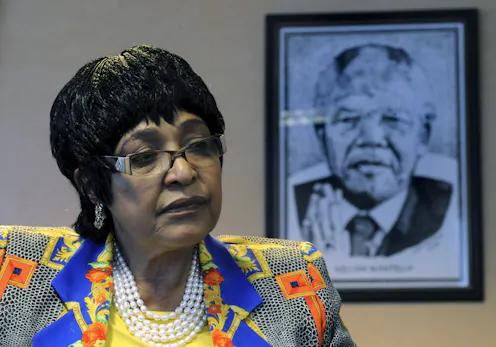
Winnie Madikizela-Mandela’s struggle was for humanity, oftentimes waged in an inhuman way.
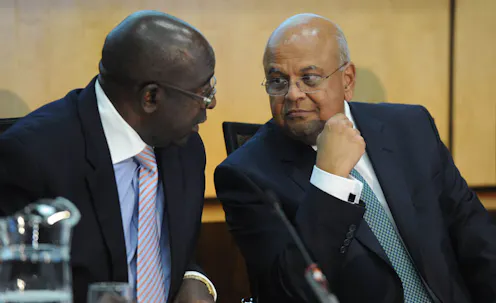
The way South Africa’s new president Cyril Ramaphosa has constituted his cabinet reflects the distribution of power within the governing ANC.
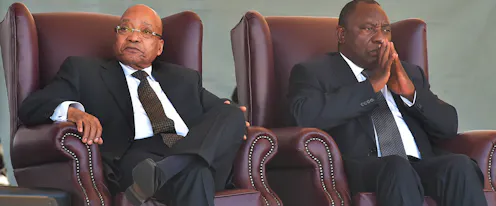
South Africa’s governing party, the African National Congress, poses a danger to democracy by continuiing to blur the lines between the state and the party.
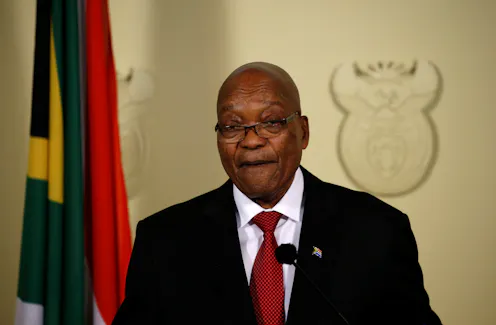
There are several steps South Africa’s governing party must take to strengthen democracy now that Jacob Zuma has resigned.
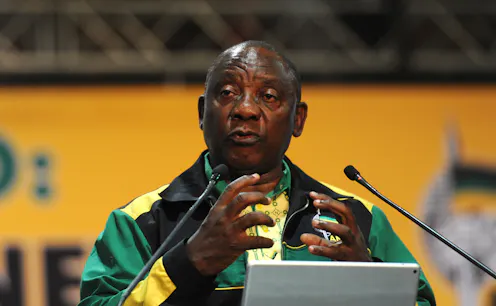
Free university education and land redistribution without compensation have far-reaching implications for South Africa’s economy, and requires exceptional leadership.
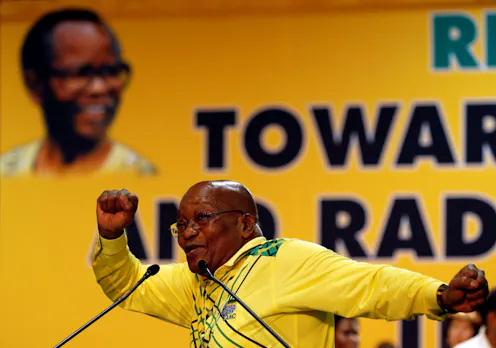
Zuma’s last address to South Africa’s governing party, the ANC, as its president, betrayed his strange way of dealing with issues. He came across as delusional and self-indulgent.
Contact Mashupye for
- General
- Media request
- Speaking request
- Consulting / Advising
- Research collaboration
- Research supervision
- Location: Pretoria, South Africa
- Website
- X (formerly Twitter): @Mmaserumule
- Article Feed
- Joined
