

The non-citizens in the NZYQ group cannot be returned to their country of origin. But sending them to Nauru just pushes the issue onto a poorer country.
- Associate Professor, School of Law, Murdoch University
Australia has the experience, resources, and civil society needed to shape a more humane and effective refugee system. Four key areas are ripe for reform.
The legal and policy tools to fix this already exist.
One concern is the precedent this agreement with Nauru sets for how other countries may treat refugees with criminal convictions.
In times like these, validation, human connection and support are some of the best things you can do to protect your own and other people’s mental health.
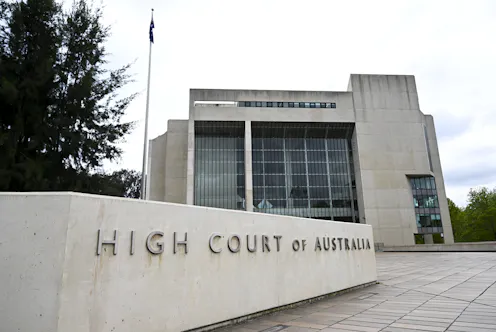
This week, the High Court made an order which overturns the laws on which much of Australia’s immigration system is based. What happens to the law, and those most affected by it, now?
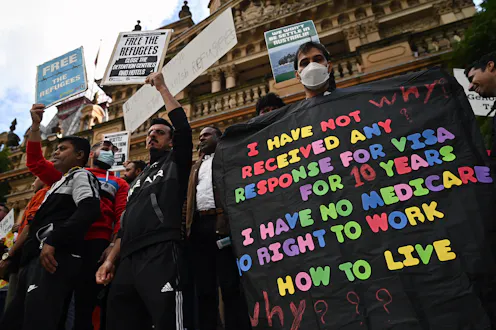
Research shows uncertainty and delays in visa processing have a terrible affect on applicants’ mental health, and the government must be mindful of this.
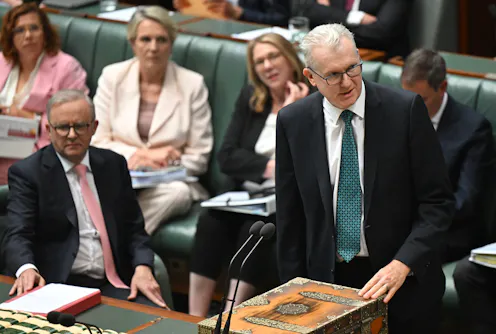
The immigration minister still retains ‘god-like’ powers in visa matters, but the ruling is at least an opportunity to make the process clearer, fairer and more transparent.
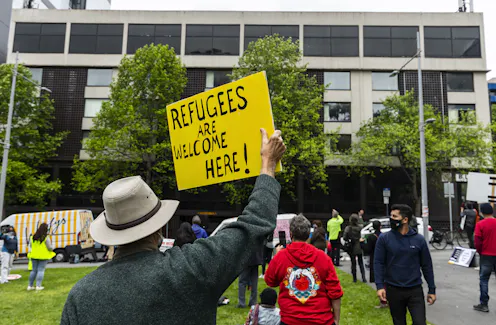
Our report sets out practical reforms that can be implemented relatively simply, within existing legislative provisions and with only minimal changes to policy and regulations.

Beyond allowing one family to go ‘home to Bilo’, what else we can expect the new Labor government will do about thousands more asylum seekers and refugees?
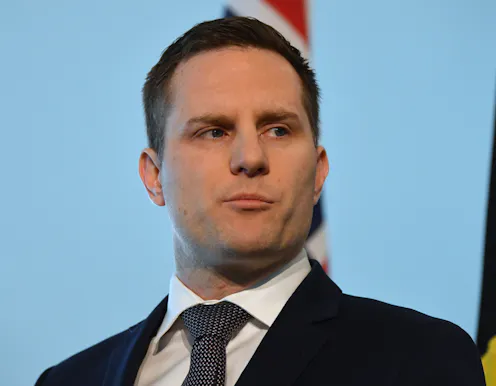
The personal powers of the immigration minister to grant or cancel visas are extremely broad and powerful. And this isn’t the first time they’ve courted controversy.
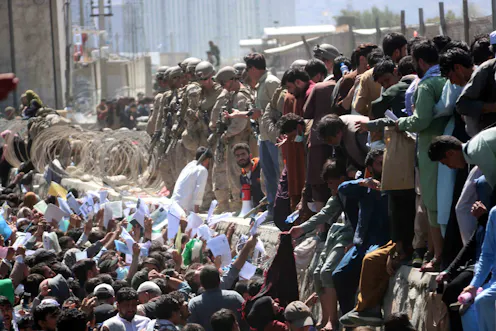
Here are some ways to support people from Afghanistan locally, nationally and overseas.
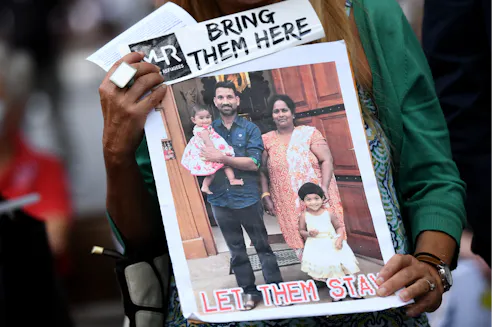
While this is a positive step, it still does not allow the Murugappan family to return to their home of Biloela in Queensland, and their situation still has some way to play out in the courts.
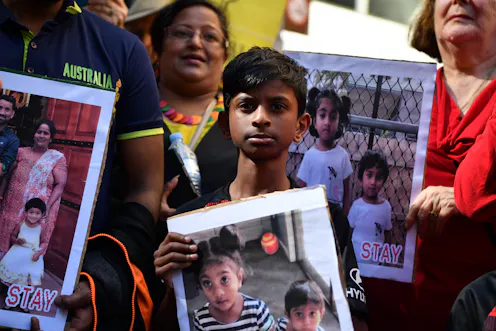
Three-year-old Tharunicaa Murugappan’s hospitalisation has once again raised the plight of her family, who have been detained since 2018.
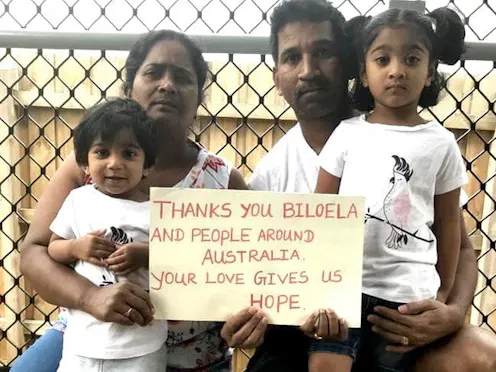
The court has found the youngest child, Tharunicca, was denied procedural fairness, which means the case against their deportation will continue.
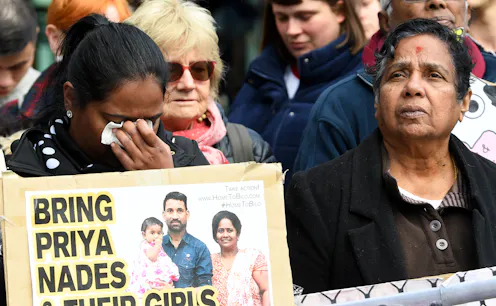
Of the original 31,000 refugees in the ‘fast-track’ visa caseload, nearly 8,200 are yet to have their applications processed. As a result, their lives remain in limbo.
A bill to allow for asylum seeker on Nauru and Manus Island to be transferred to Australia for medical and psychiatric treatment has passed both Houses. How will it change things for those detained?

Since the second world war nearly every Olympic Games has seen athletes seeking asylum in the Games host country.
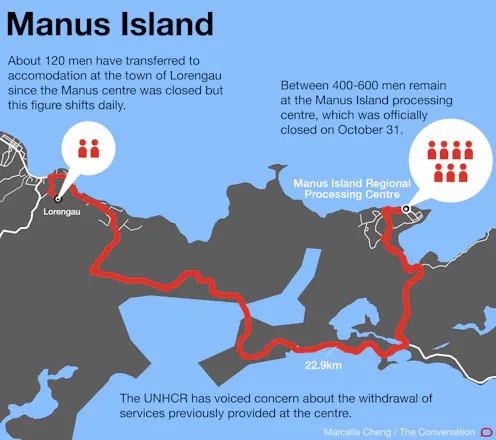
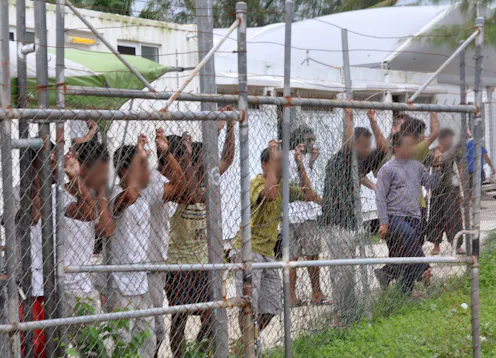
There are about 400-600 people in the now-defunct regional processing centre refusing to move to recently built transit centres in Lorengau – but these numbers shift daily.
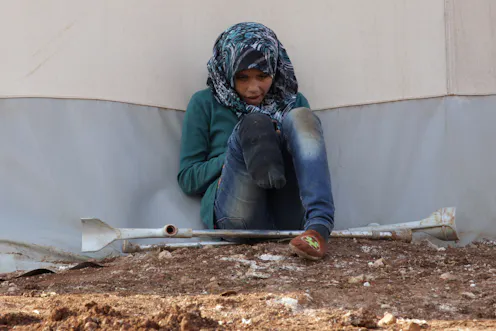
The term ‘genuine refugee’ is thrown around often, yet few know the complicated process of how someone is deemed to be one.
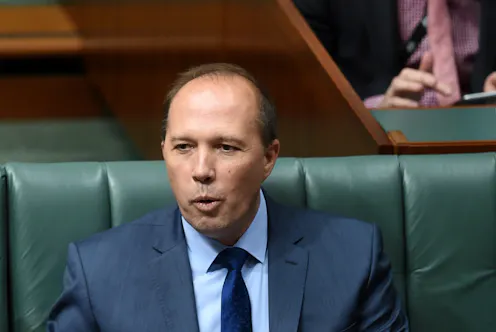
The most important benefit of citizenship for migrants is the sense of inclusion and acceptance into their adopted community.
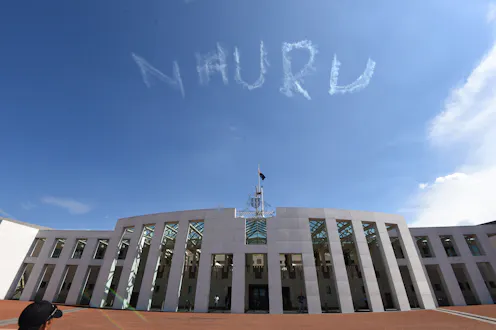
There must be genuine efforts to ensure transition from uncertainty to permanent status for refugees currently detained offshore as soon as possible.
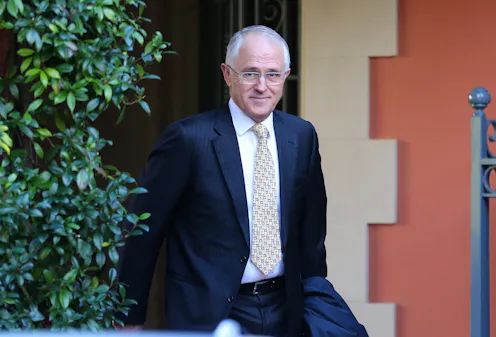
What’s in store for key policy areas, from health to education to infrastructure to asylum seekers, under a returned Coalition government?
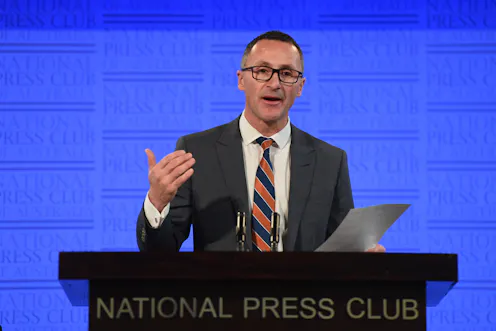
Was Greens leader Richard Di Natale right to say the government spends $3 billion each year on the “offshore detention centre regime”?
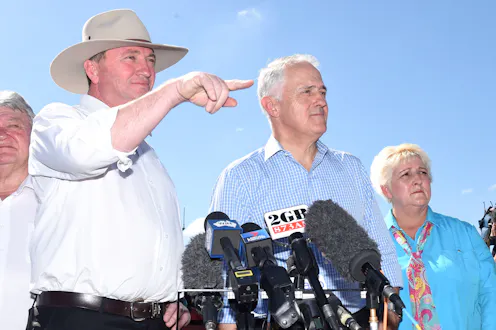
What does the data say about the number of boat arrivals around the time of the 2011 live export ban?
