

Polluting companies in South Africa have had to pay a tax on their carbon emissions since 2019. This gives them a good incentive to reduce emissions.
- Research Chair, African Climate and Development Initiative, University of Cape Town

Clearing alien trees from mountain catchments is a more cost-effective approach to providing water than building and maintaining desalination plants.

Clearing alien trees before the drought hit could have reduced the impact of climate change on water supply during the ‘Day Zero’ drought.
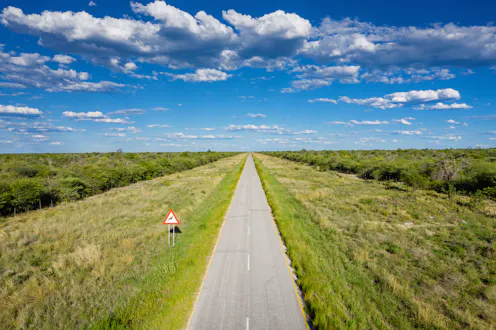
The presence of roads, even inside protected areas, may pose a significant threat to species.

Artificially dimming the sun, by injecting reflective particles into the upper atmosphere, could reduce the risk of Day Zero level droughts in Cape Town by more than 90% in the future.
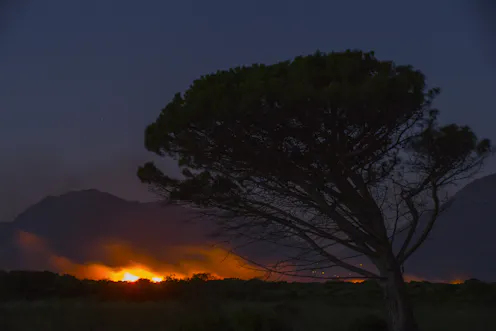
The danger of fires in the Cape region this season is partly dependent on how the Fynbos has been managed over the past few decades.

More and more evidence has accumulated which shows that changes in global and regional climate over the last 50 years are almost entirely due to human influence.

Les systèmes d’approvisionnement en eau n’ont pas été conçus pour répondre aux évolutions météorologiques provoquées par le changement climatique. Il est désormais nécessaire de les adapter.
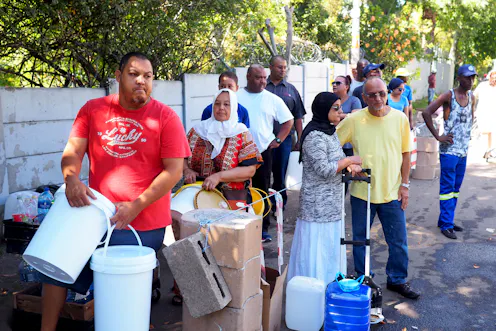
Water supply systems weren’t designed to deal with altering weather patterns brought about by climate change. This needs to change.
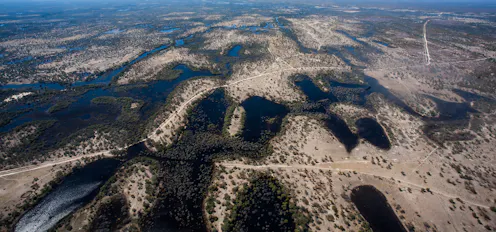
For hot, dry and water-stressed countries like Botswana and Namibia, high temperatures and droughts will be more severe than the global average.
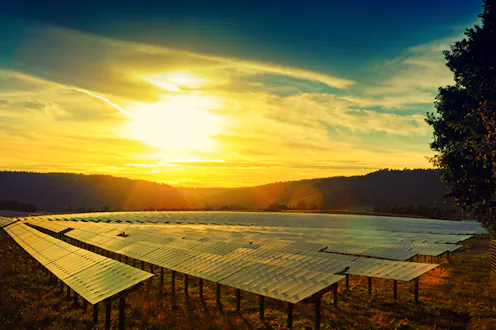
Comment soutenir la croissance en Afrique pour éradiquer la pauvreté ? En adoptant dès aujourd'hui des politiques énergétiques pauvres en carbone.
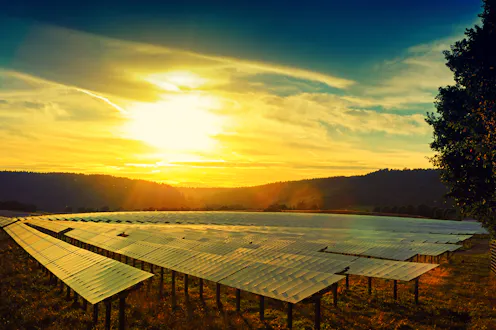
For the sake of mitigating climate change, the African continent needs to make low carbon energy choices.
Contact Mark for
- General
- Media request
- Speaking request
- Consulting / Advising
- Research collaboration
- Research supervision
- Location: Cape Town, South Africa
- Website
- LinkedIn: mark-new-72a11393
- Article Feed
- ORCID
- Joined
