
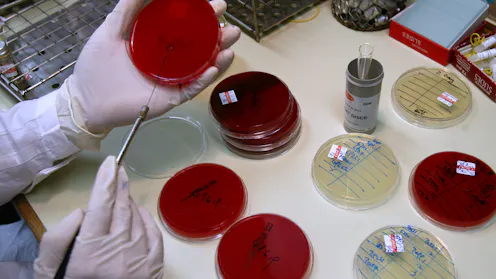
To make real progress, antimicrobial communication needs to be grounded in people’s lived experiences.
- Science Communication Researcher, Stellenbosch University

Une étude révèle qu’en Afrique, beaucoup ne lient pas encore les catastrophes climatiques au changement climatique. D’où l’urgence de mieux les sensibiliser

New study finds that people in 12 African countries don’t fully accept that extreme weather disasters are caused by climate change. More public awareness is needed.
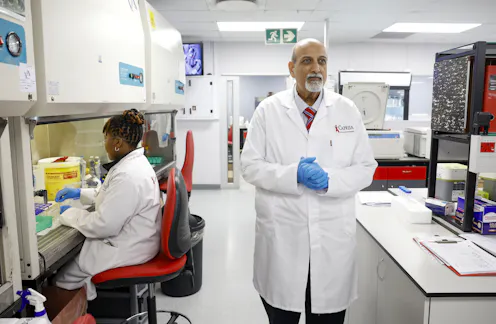
When asked to name a living scientist from their own country, more than half of the respondents in both countries did not reply.
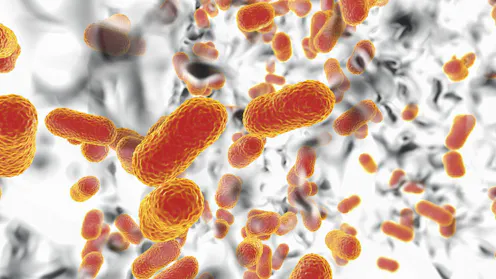
Antimicrobial resistance is an epidemic that kills close to 5 million people annually. The solutions are complex and must take into account the needs of the poor.
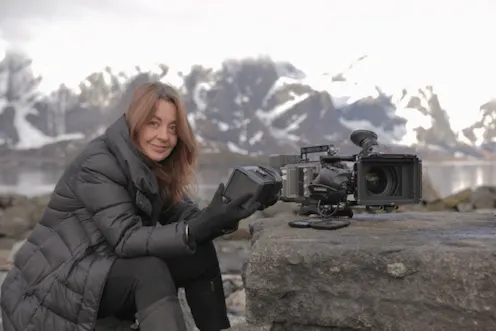
To build trust with an audience, scientists must demonstrate that they are competent experts. But they must also come across as warm, caring and human.
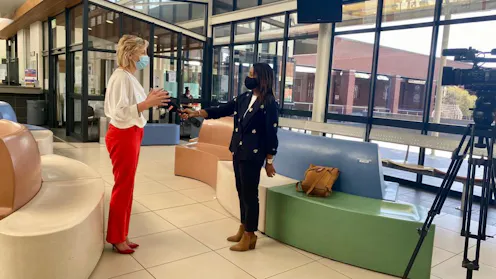
Journalists may unwittingly perpetuate the notion that men are the only experts worth listening to. This limits the visibility of women in science.
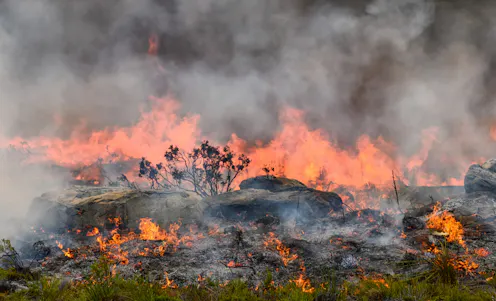
Fire must be allowed to play its natural role.

Scientists enjoyed informing, exciting and inspiring the public.
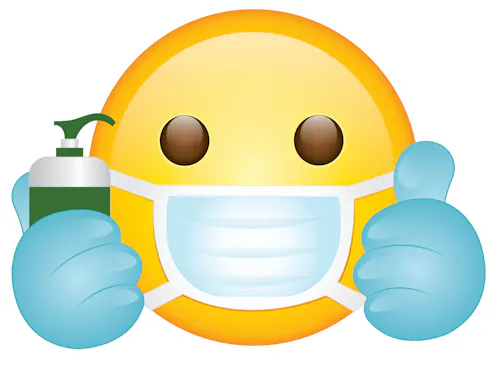
In recent years, a growing body of academic research has emerged that outlines how emojis can be used in all forms of communication.
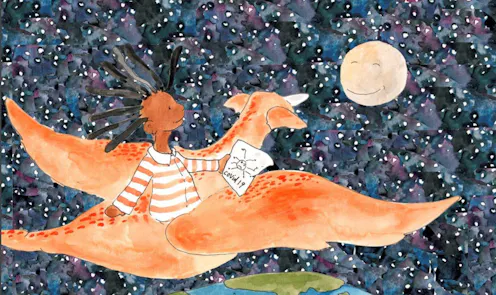
Scientists provide the credibility and accuracy, while the artists ensure this is communicated with creative flair and appealing designs.

For science communicators to be effective, best practice principles need to be applied to the design of messages, the choice of who conveys those messages, and their tone and timing.
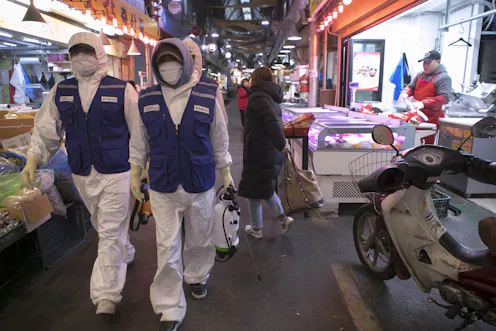
Misinformation spreads fast when people are afraid and a contagious and potentially fatal disease is frightening. This provides the ideal emotionally charged context for rumours to thrive.
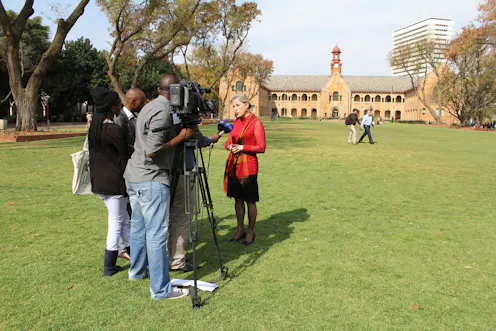
The new White Paper can help scientists understand better why public engagement is crucial.
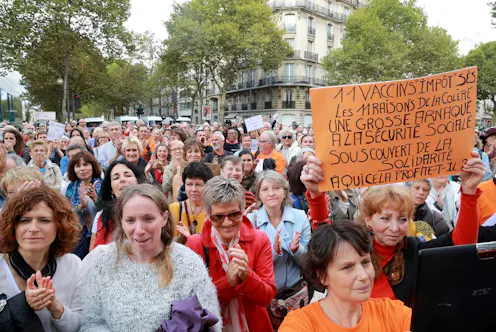
Mettre en place une communication efficace sera crucial pour contrecarrer l’inquiétante tendance à l’hésitation vaccinale. Première étape : comprendre comment se diffuse l’information scientifique.
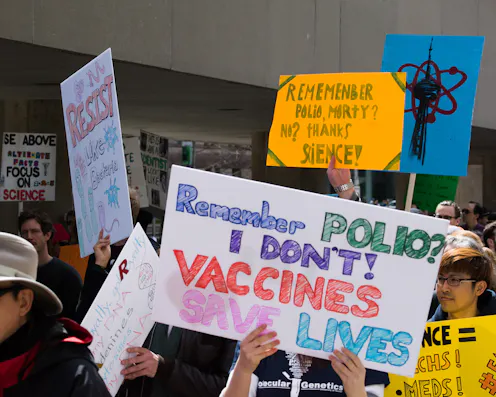
Effective communication strategies will be crucial if scientists want to counter the worrying anti-vaccination trend.

Scientists can be powerful influencers and role models. So there’s reason for concern when the same names and faces dominate coverage and visibility.
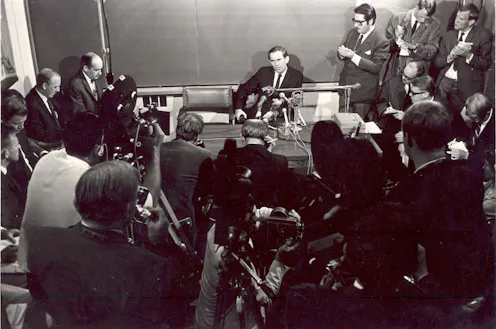
The unprecedented media interest in the first human heart transplant 50 years ago transformed many of the rules that governed the relationships between medicine and the media.
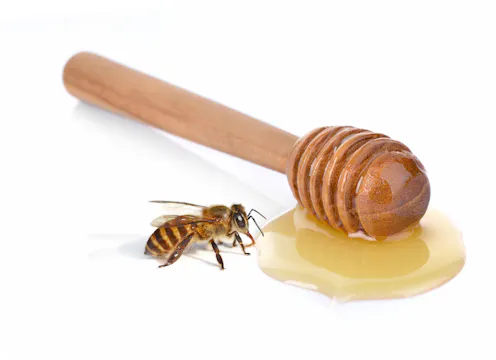
Is there an art - or a science - to figuring out what stories will soar from the lab to the front page?

There is broad acknowledgement that the way science is taught and practised in Africa is not socially inclusive.
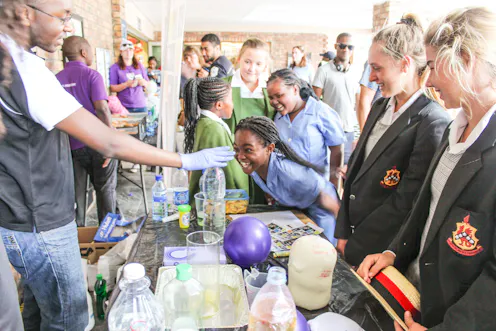
There is mounting evidence to show scientists and researchers why public engagement is worth their while.

More and more Africans are becoming citizen scientists – and the benefits are huge both for them as individuals and for science on the continent.

Science communication has grown in leaps and bounds over the past 60 years. It plays a crucial role in democratising science and making it less mysterious.
Contact Marina for
- General
- Media request
- Speaking request
- Consulting / Advising
- Research collaboration
- Research supervision
- Location: Stellenbosch, South Africa
- Website
- X (formerly Twitter): @marinajoubert
- Article Feed
- ORCID
- Joined
