
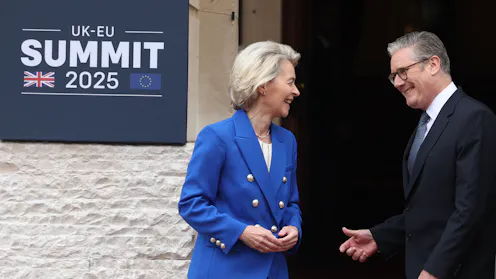
Closer trade ties could cut prices for consumers – but they come with serious political risks for the UK government.
- Senior Lecturer in International Relations, University of Bath
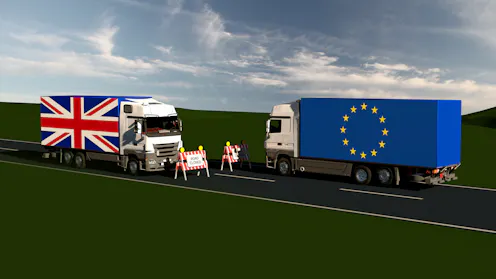
These are the five options for Brexit: Theresa May’s withdrawal agreement, staying in the customs union, staying in the single market, the so-called Common Market 2.0 idea or a no-deal Brexit.
Academic experts explain the key details of the draft Brexit deal agreed by UK and EU negotiators.

It sparked a series of government resignations, but what’s actually in Theresa May’s Brexit plan?

The countries doing innovative deals with trading partners have one key difference with a post-Brexit UK.
The government has set out its thinking on Brexit. So what have we learned?
Negotiating trade deals is a tremendous task and requires clarity for each and every economic sector involved. Unfortunately, the White Paper offers little detail on this.

CC BY-ND34.3 MB (download)
Where do we go from here? After a dramatic year, we look ahead to some key economic and political trends that will influence our lives over the next 12 months.
Norway, Switzerland, Canada and a WTO-only trade relationship are are the obvious options for the UK post-Brexit.
The upcoming TTIP trade agreement could force EU to liberalise GM regulations such as labelling.
Contact Maria for
- General
- Media request
- Speaking request
- Consulting / Advising
- Research collaboration
- Research supervision
- Location: Bath, United Kingdom
- Article Feed
- Joined
