
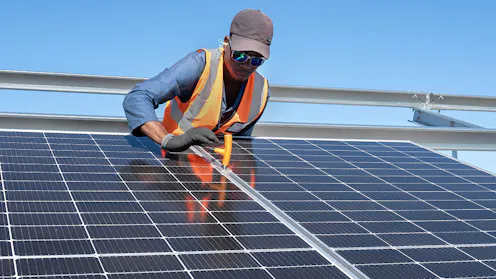
A just transition to a green economy with broad growth in employment will require deliberate efforts.
- Dean of the Faculty of Economic and Management Sciences, University of Pretoria

Achieving gender parity could take more than a century. South Africa and Australia show why context matters – and why there’s no single formula for equality.
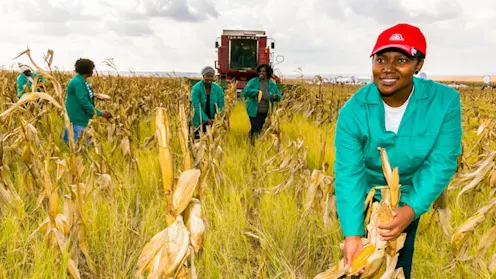
Investir dans l'agriculture, en particulier grâce à des financements extérieurs, offre des gains en termes d'augmentation des revenus et de réduction de la pauvreté.
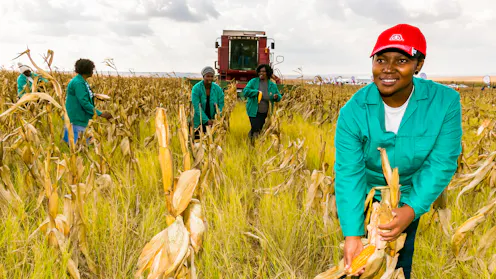
Investing more in agriculture, especially with external financing, offers the biggest gains in raising incomes and reducing poverty.
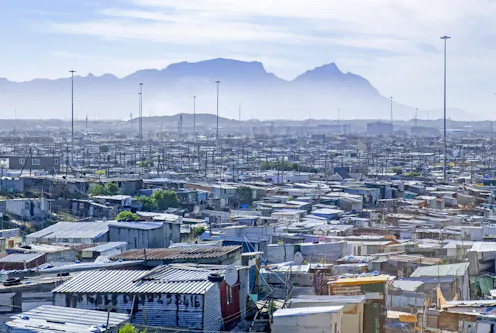
Economic modelling suggests that a basic income grant for all individuals aged between 18 and 59 could significantly reduce poverty and inequality in South Africa.
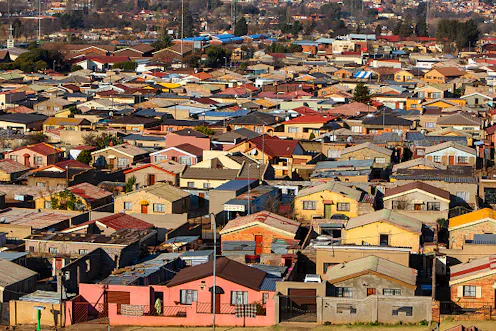
South Africa needs policies that look after households that aren’t poor, but are also not financially secure.
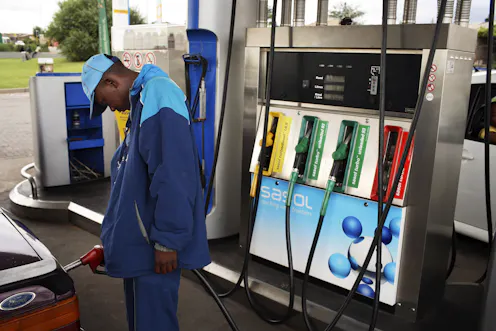
Subsidies to shield the general population from oil price increases do not automatically reduce poverty and inequality.
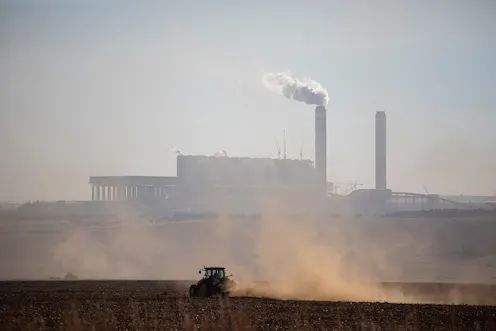
Investment in green technologies in sectors which cause significant environmental pollution can create a double dividend.
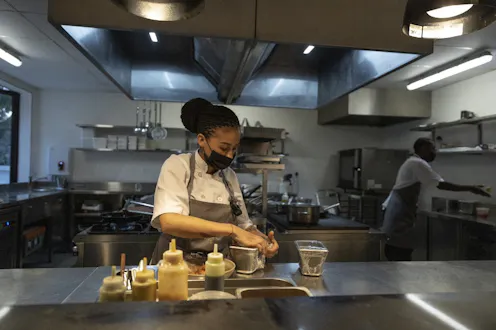
The pandemic has increased vulnerability and poverty for female-headed households more than for male-headed households.
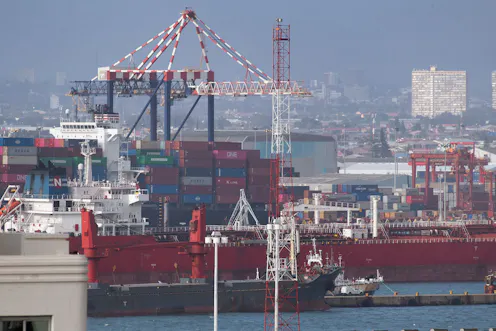
Corruption and fraud make a few rich households richer. But the already poor and low-skilled lose their jobs and become poorer.
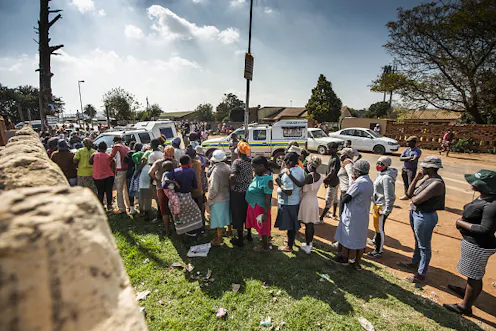
South Africa’s economic recovery plan must focus on at least three areas: protecting vulnerable populations, supporting the vulnerable sectors and external trade diversification.
Contact Margaret for
- General
- Media request
- Speaking request
- Consulting / Advising
- Research collaboration
- Research supervision
- Location: Pretoria
- Website
- Article Feed
-
- Joined
