

A better understanding of the factors driving kindergarten school absences is needed, as are policies aimed at reducing the number of missed days.
- Professor, Department of Pediatrics, University of British Columbia

Math achievement gaps begin in kindergarten and persist through Grade 9, highlighting the importance of investing in children’s early development.
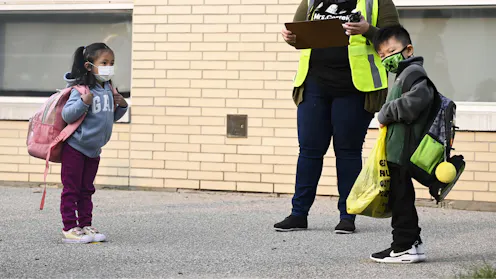
An increase in the number of kindergarten children with special needs since the pandemic means more children will require specialized assistance and accommodation in later grades.
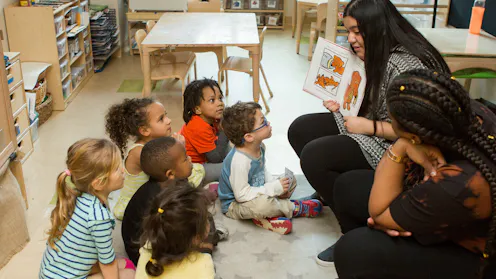
Results of a study suggest policy improvements are needed to provide educators with strategies to reduce bias around race, gender and socioeconomic status.

A study pertaining to more than 1.4 million kindergarteners across Canada finds the occurrence of health disorders higher as the socio-economic status of a neighbourhood decreases.
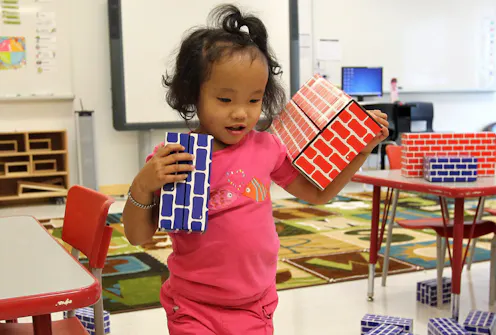
A study following Ontario students between 2004 and 2012 can help policymakers ensure all students get the supports they need when they need them.
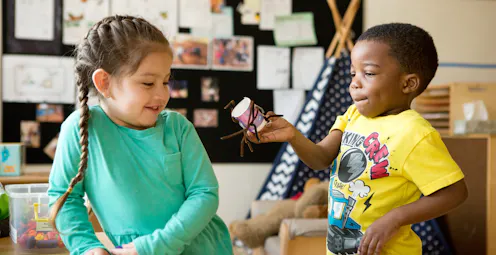
The lack of a fully interactive environment in kindergarten due to pandemic school closures may negatively impact some children’s learning in later grades.
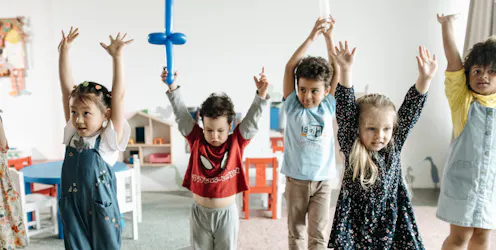
A study of students across Canada between 2004 and 2015 provides an estimate of anxiety symptoms in kindergarteners, and can serve as a baseline for comparing children’s anxiety after COVID-19.

Kindergarten educators who taught from home during COVID-19 and who were primarily responsible for their own children self-reported poorer mental health than those without these responsibilities.
Contact Magdalena for
- General
- Media request
- Speaking request
- Consulting / Advising
- Research collaboration
- Research supervision
- Location: Vancouver, BC
- Website
- LinkedIn: magdalena-janus-44580b38b
- X (formerly Twitter): @MagdalenaJanus_
- Article Feed
- ORCID
- Joined
