
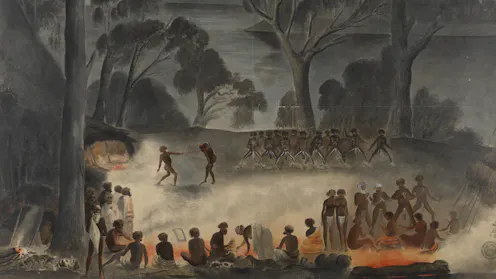
Genetic, archaeological and environmental evidence suggest the Indigenous population fell by more than 90% in the 70 years after the British invaded.
- Sir John Monash Distinguished Professor, Monash University. Deputy Director ARC Centre of Excellence for Indigenous and Environmental Histories and Futures, Monash University
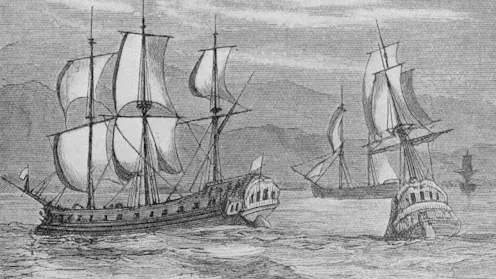
New mathematical modelling shows the first smallpox epidemic among Aboriginal people in the Sydney region may have spread thousands of kilometres and lasted decades.
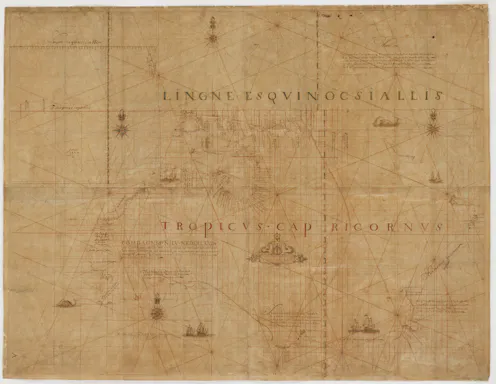
The Tasman map, dating from the 1600s, was promised to the Commonwealth – but NSW got it instead. Here’s how it happened.
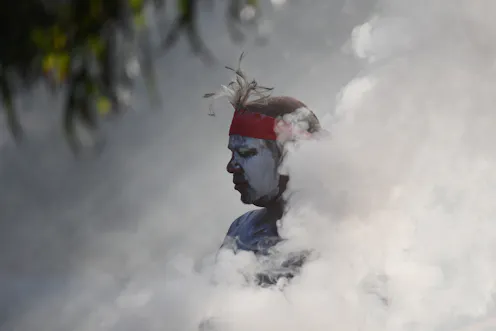
Western methods of preserving history have excluded Indigenous stories. How can we include Indigenous narratives and their methods of maintaining history?

Two starkly different research projects at East Gippsland’s Cloggs Cave, 50 years apart, show the importance of Indigenous perspectives in archaeology.
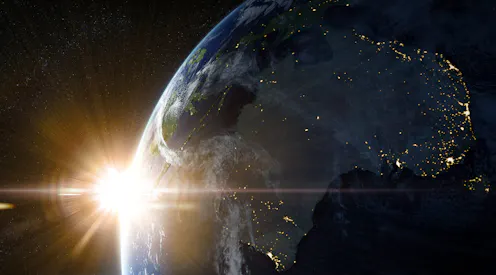
The story of Australia has been studied and explored many times by researchers. Look what they’ve revealed, so far.
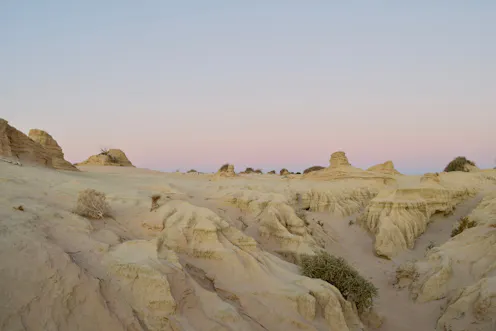
On the golden jubilee of the discovery of Mungo Lady’s 40,000-year-old remains, we can reflect on Aboriginal Australia’s vast history, which predates the arrival of Homo sapiens in both Europe and America.
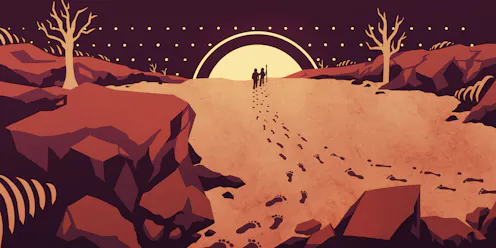
When did Australia’s human history begin?
The Conversation, CC BY16.6 MB (download)
Today's episode of Essays On Air, the audio version of our Friday essay series, seeks to move beyond the view of ancient Australia as a timeless and traditional foundation story.
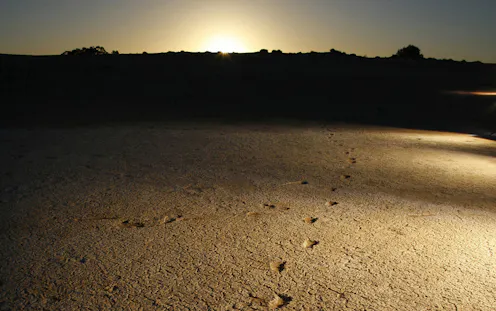
Over the past half century, Australia has experienced a ‘time revolution’ with Indigenous history pushed back into the dizzying expanse of deep time. The latest discovery reminds us that science, like history, is an ongoing inquiry.
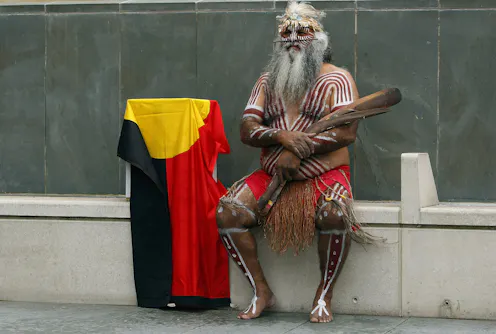
The question of repatriating objects is clearly more complex than returning human remains. It needs more debate, and more creative interventions to move beyond the current impasse.
