
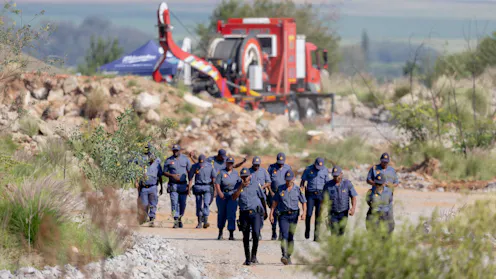
Most countries avoid using the military for domestic roles.
- Professor of Sociology in the Department of Sociology and Social Anthropology., Stellenbosch University
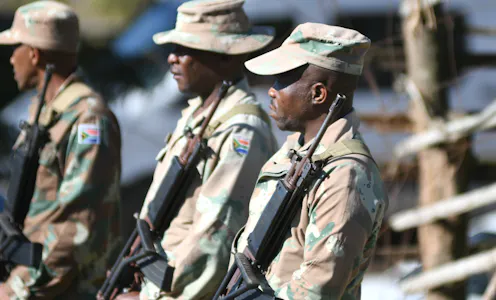
The Southern African Development Community intervention force in the mission in the DRC is outgunned and outmanned.
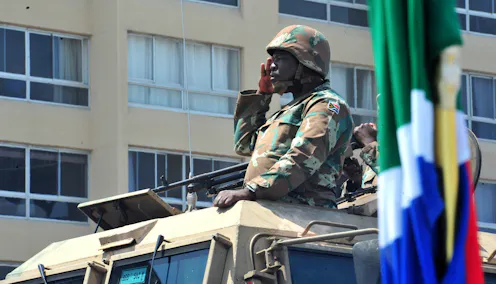
The declining defence budget has eroded the operating and capital expenditure of the military, leaving insufficient funds for the replacement of equipment, maintenance, and infrastructure.
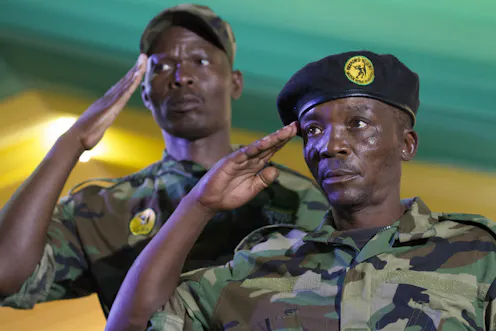
The dismantling of the liberation armies and that of the apartheid state was managed badly. It left in its wake thousands of angry veterans who felt betrayed.
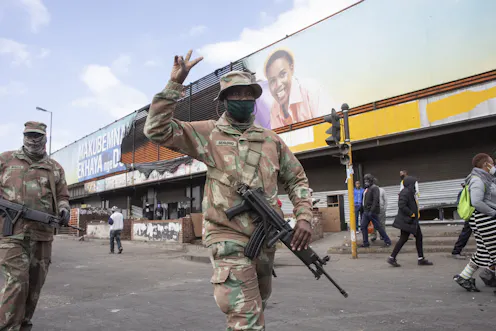
The army may help create a more stable and secure environment in the short term, but this is unlikely to result in sustainable and lasting peace.
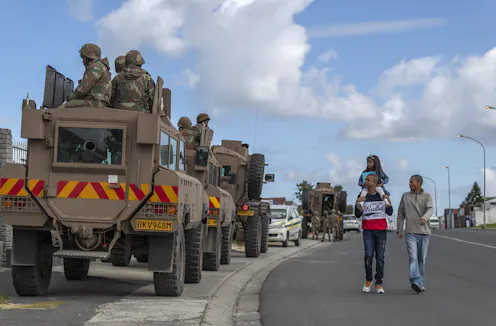
Besides the misalignment of its resources, design, equipment and its additional roles, the military has also been hobbled by misappropriation of funds.
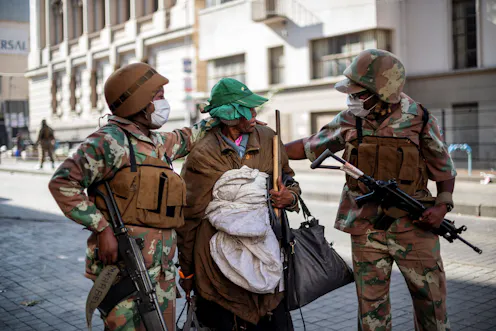
The South African National Defence Force has suffered from terrible neglect over the past 25 years of democracy.
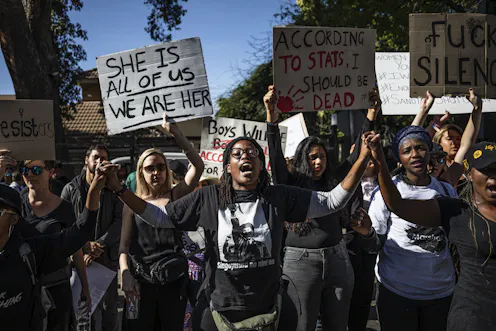
Underlying direct or personal violence is structural violence that is entrenched in unequal power relations in society.
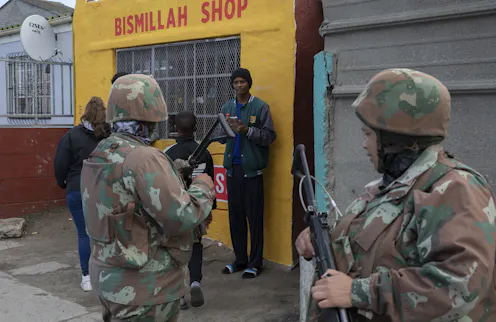
Using the military continuously in internal roles for which it is not structured, funded or trained simply speeds up its decline.
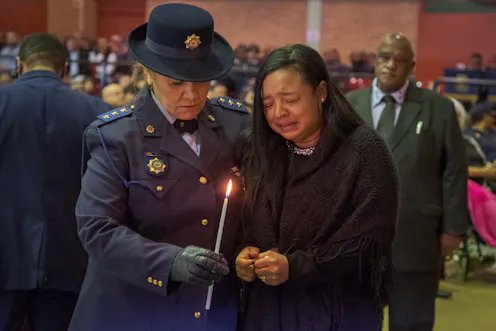
The biggest problem with using the military to fight rime is that soldiers are not trained for law enforcement, but warfare, using maximum force.
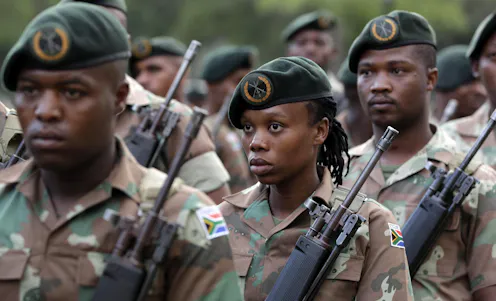
As military organisations become less oriented towards violence, the traditional, aggressive, warrior-like culture of the military has to be balanced with new task requirements.
Contact Lindy for
- General
- Media request
- Speaking request
- Consulting / Advising
- Research collaboration
- Research supervision
- Location: Stellenbosch, South Africa
- Article Feed
- Joined
