
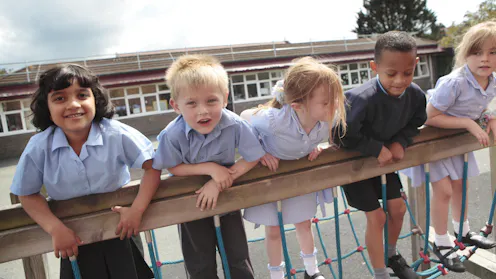
New data shows more than one quarter of Australian students receive a disability adjustment. This is up from 18% in 2015.
- Professor and Director of the Centre for Inclusive Education, Queensland University of Technology

Suspending or expelling a student should be a last resort. But our study shows it is more common than it should be in NSW public schools.
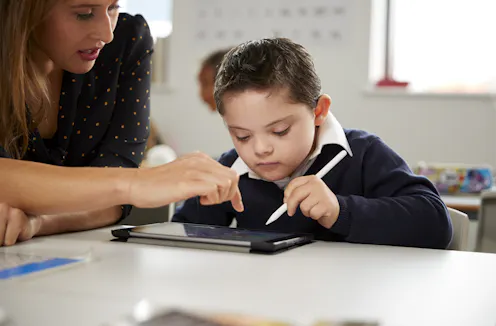
The national response to the disability royal commission provides yet more uncertainty over the future of special schools in Australia.

In a new study, we interviewed 59 Year 10 students with language or attention disorders about their English classrooms.
Two male students have been expelled from a Melbourne private school for their involvement in a list ranking female students.

Many of incidents resulting in suspension are rooted in emotional overwhelm.

About two students in 30 will have developmental language disorder, making it as common as attention-deficit hyperactivity disorder and much more common than autism.
A third of students say they don’t like school, and that dislike often begins around the time they enter high school. But the reasons they give point the way to solutions to this problem.

Analysis shows most suspensions in SA in 2019 were given to Indigenous students with a disability, followed by children with a disability living in care. These children need support, not dismissal.

All students interviewed for a study on relationships with teachers said the ones they loved most were kind, caring or funny. They said the ones they disliked often treated them unfairly.
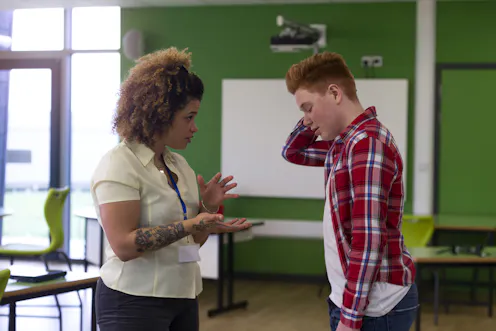
There is conclusive evidence that in most cases, suspension only reinforces negative behaviour.
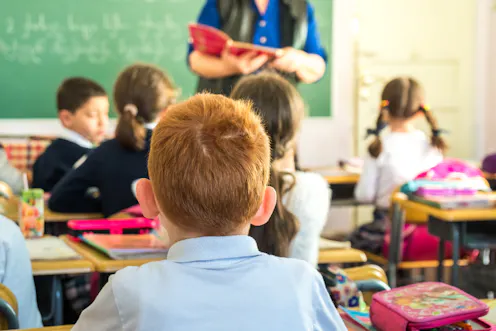
There is good evidence behind some of the recommendations from the Gonski review that will help all students, particularly those who get left behind.
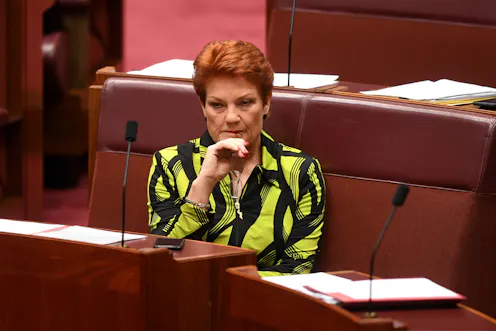
Evidence shows that the senator’s comments on the burden of children with disability are misleading.
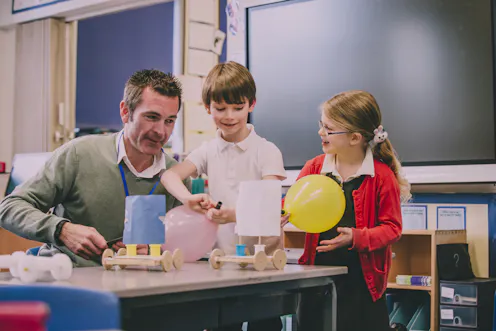
Accurate data is needed for how disability funding is being used in schools so that it can be allocated correctly.
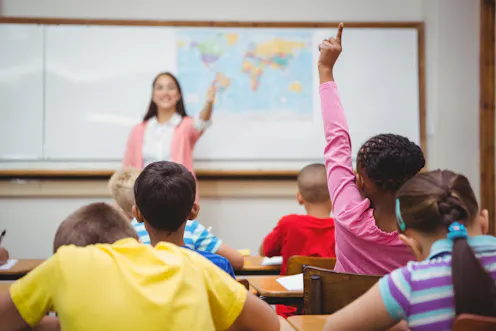
Differentiation is not about about creating different lessons for every student. It’s about teachers providing a range of options for students to demonstrate their learning.
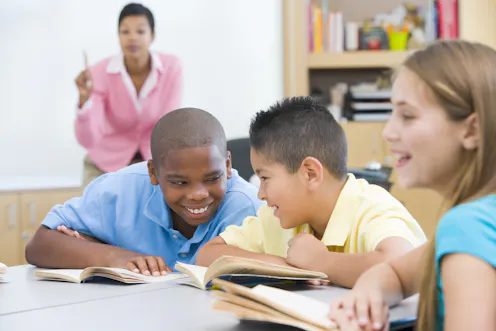
Children with disabilities are frequently discriminated against in Australian schools, with parents asked to send their child to another school or fork out extra money.

By tying funding to disability categories, schools and parents are being put under pressure to seek a diagnosis for their child in order to get funding support.
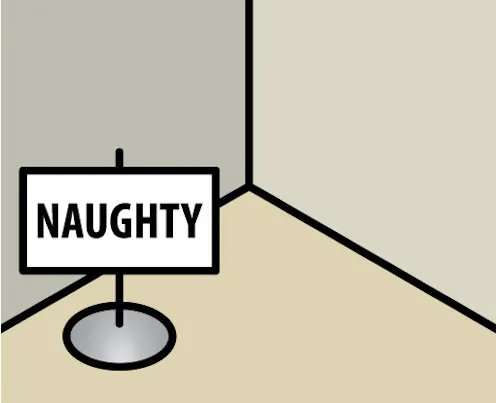
We fail children who experience difficulty in school and with learning almost every day in Australia and in so many ways. These children can fall through a myriad of cracks: cracks that appear in some…
The OECD’s 2009 Jobs for Youth report, released on the heels of the global financial crisis, made a number of policy recommendations to the Australian government to prevent a rise in youth unemployment…
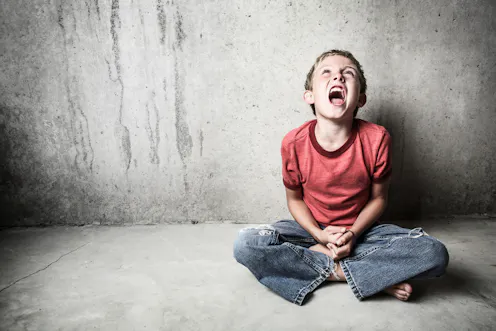
Reports that Australia scored poorly compared to the OECD average on classroom noise and disorder prompted calls for a return to “traditional” styles of teaching and increased power to allow principals…
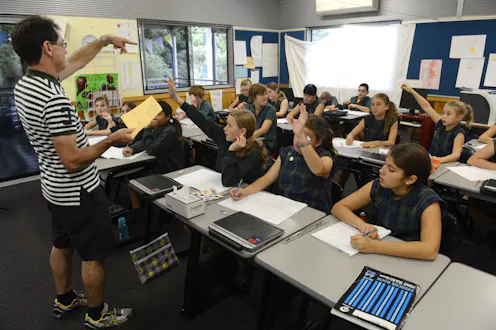
A common debate has resurfaced over teacher quality and the quality of teacher education in Australia. This time it was started by a leaked draft report into teacher education from the Australian Institute…

The 2014 federal budget implemented a so-called crackdown on what Minister for Social Services Kevin Andrews calls young people who are content to “sit on the couch at home and pick up a welfare cheque…
Contact Linda for
- General
- Media request
- Speaking request
- Consulting / Advising
- Research collaboration
- Research supervision
- Location: Brisbane, Australia
- Website
- X (formerly Twitter): @drlindagraham
- Article Feed
- ORCID
-
- Joined
