
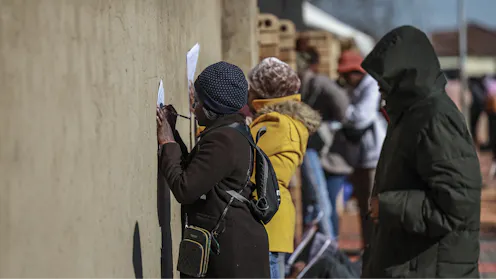
South Africa is looking for ways to use social grants to promote economic inclusion.
- Professor of Social Development Studies, University of Johannesburg
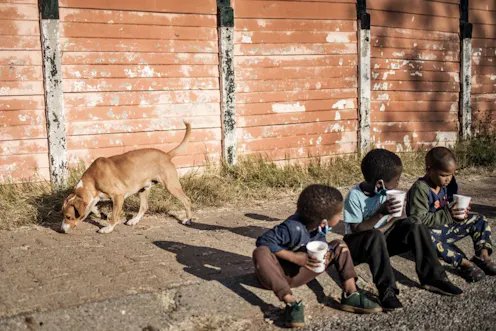
Fragmentation of services is a barrier in addressing severe child poverty.
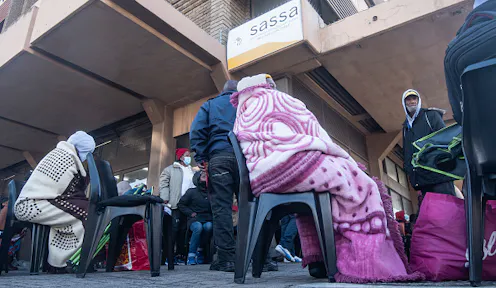
Many grant recipients are young, unemployed, and not necessarily loyal to the governing ANC like older generations.
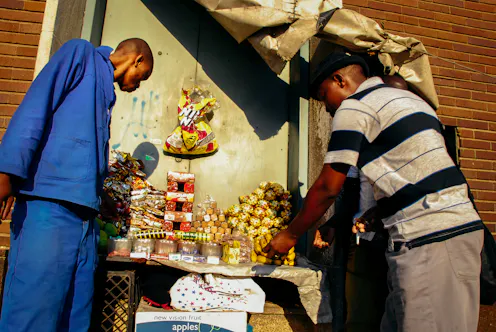
As much as 31% of grant beneficiaries engage in informal work to ‘grow’ their income.
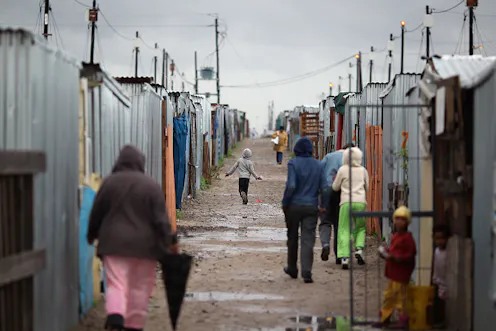
Social security reforms are needed that include support for the long-term and chronically unemployed and informal workers.
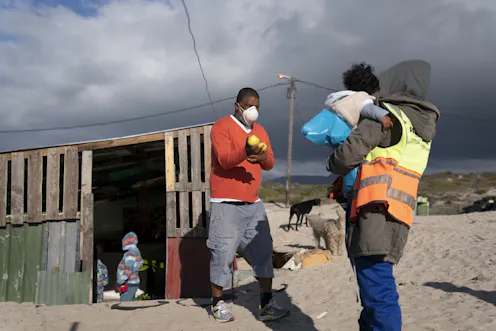
There’s a crucial need to connect the most vulnerable people with public services in order to tackle systemic poverty and disadvantage. An integrated approach is key.
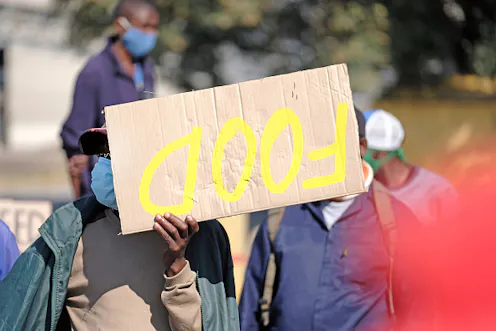
Hunger is not the cause of the current social upheaval. But, taken along with other deep-rooted structural inequalities, it provides additional fuel for socio-political conflagration.
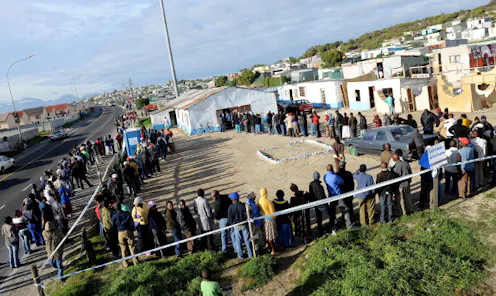
Concerns about socioeconomic well-being were the main reason why people voted for a certain political party.
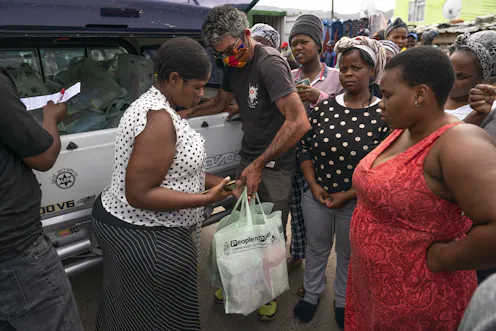
Early in the pandemic, countries had to address several questions as the virus spread and lockdowns became inevitable.
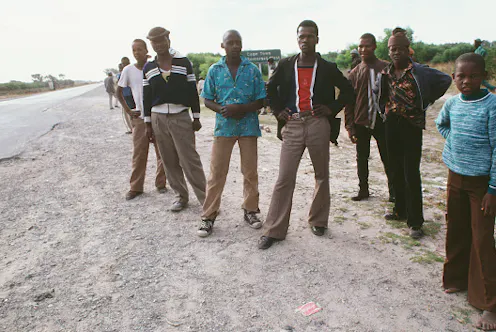
Relying solely on job placement as an indicator of successful intervention misses out on outcomes that are equally important, or more so, amid high structural unemployment.
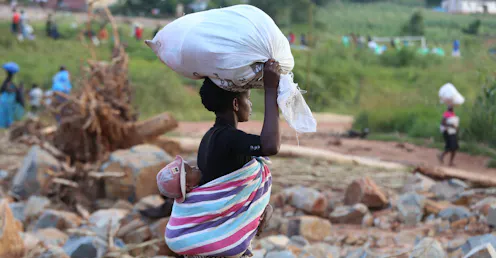
Findings show that income transfer programmes must operate in deliberate coordination with ancillary social service institutions to deliver the maximum benefits for women’s empowerment.
Some caregivers reported seeing improvements in their children’s schoolwork and behaviour at school.
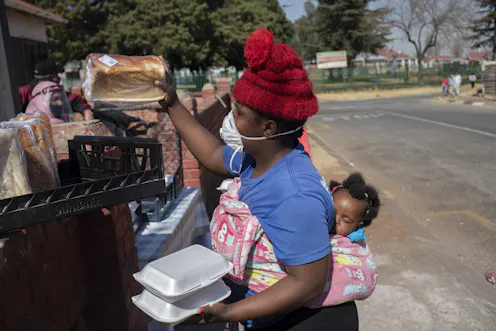
Despite the success of relief efforts by the government and civil society, it’s clear that hunger and food insecurity remain at disturbingly high levels in households.
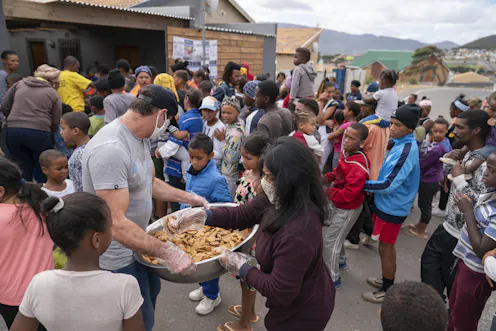
South Africans have experienced significant shocks to their livelihoods, and the threat of hunger presents a major concern for health, political and social stability.

Employment programmes cannot replace economic growth in improving youth employability, but they play a crucial role in helping them find work.
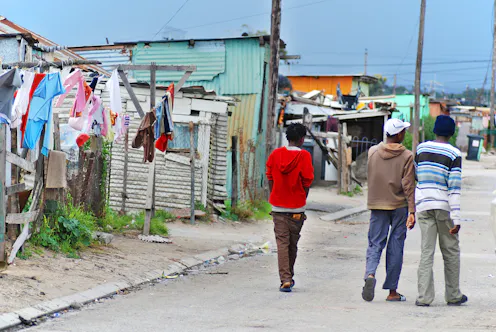
Government policies need to acknowledge individual agency as a mechanism for change, while reducing barriers to income-producing activities.
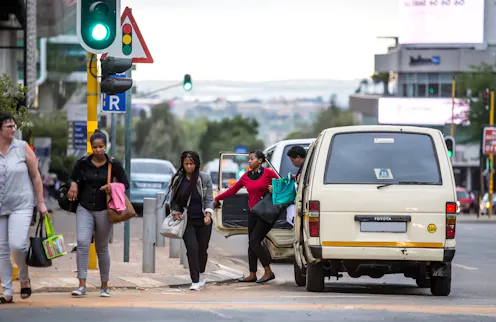
A fast growing economy that creates jobs will not automatically reduce youth unemployment due to systemic barriers faced by young people, including skills shortages and malfunctioning labour markets.

Arming young people with financial capabilities does improve their employment prospects, but how exactly is still not clear. One possibility is that financial literacy boosts their confidence
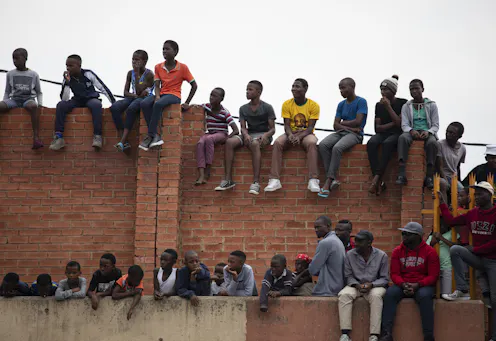
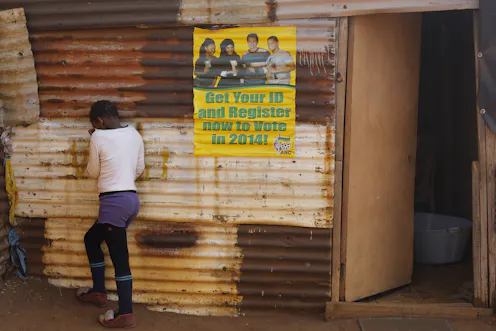
After recent elections, South Africa are grappling with what the reasons are for the declining trend in youth participation in the 2019 elections.
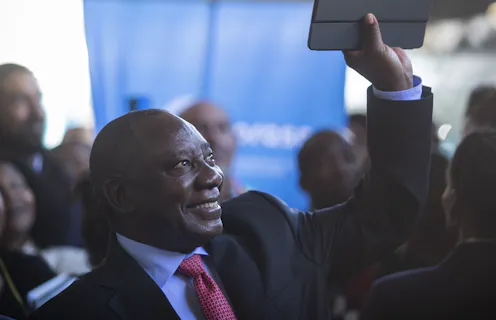
South African voters are more likely to vote for the African National Congress led by Cyril Ramaphosa than they were when Jacob Zuma led the party.
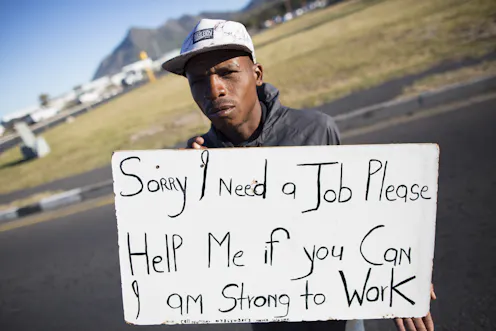
A national minimum wage could benefit young people who have jobs and stimulate those who have given up trying to find work. But those without work need additional help.

Children whose families benefit from social grants and family support interventions enjoy better health, nutrition and schooling.

The high costs of finding work make it difficult for young South Africans to get jobs.

More attention needs to be paid to aligning South Africa’s family policy with the realities of everyday life.
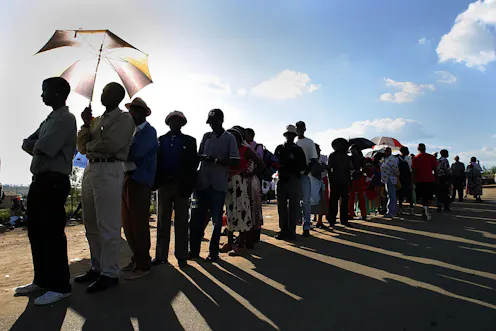
South African voters are worried about how their country is being run. Most still support the ANC but in far fewer numbers.
Contact Leila for
- General
- Media request
- Speaking request
- Location: Johannesburg, South Africa
- Website
- X (formerly Twitter): @csda_uj
- Article Feed
- Joined
