
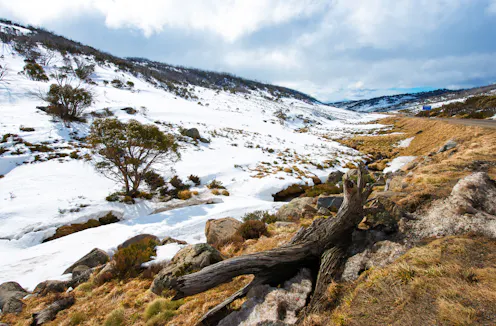
Australia’s alpine region warmed for about 600 years. What makes this climate change particularly interesting is that it bears striking similarity to today.
- Associate Professor, Australian National University
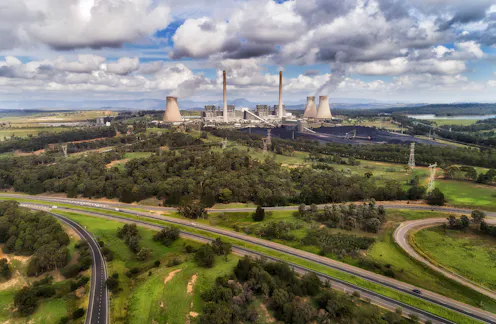
New research found power stations in the Latrobe Valley emit around 10 times more mercury than power stations in the Hunter Valley. The stark difference has a lot to do with regulations.
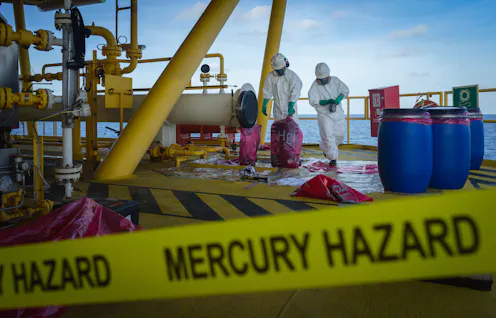
Australia has failed to ratify an international treaty to reduce harmful mercury emissions. Mercury exposure can cause kidney damage and brain impairment, especially in children.
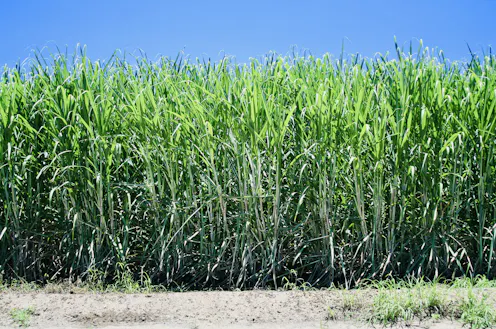
Plants can store mercury and keep it from contaminating waterways, air and soils. Unfortunately, that mercury is released when plants burn.
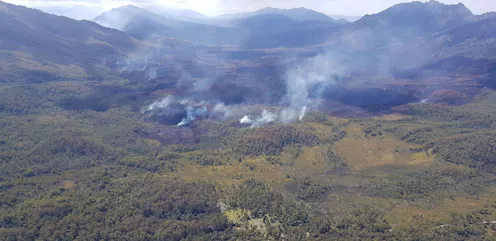
Huon pines in Tasmania have locked up significant amounts of mercury pollution from the state’s mining industrial history. And that can be released back to the atmosphere in bushfires.
Contact Larissa for
- General
- Media request
- Speaking request
- Consulting / Advising
- Research collaboration
- Research supervision
- Location: Canberra, Australia
- Website
- X (formerly Twitter): @laris_schneider
- Article Feed
- ORCID
- Joined
