
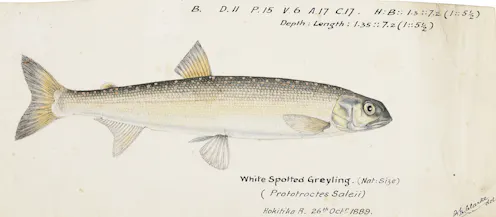
Historical accounts show the upokororo was once common in rivers across the country. It’s now officially extinct, but is there a chance survivors could still be found in remote waterways?
- Postdoctoral Fellow, Department of Zoology, University of Otago
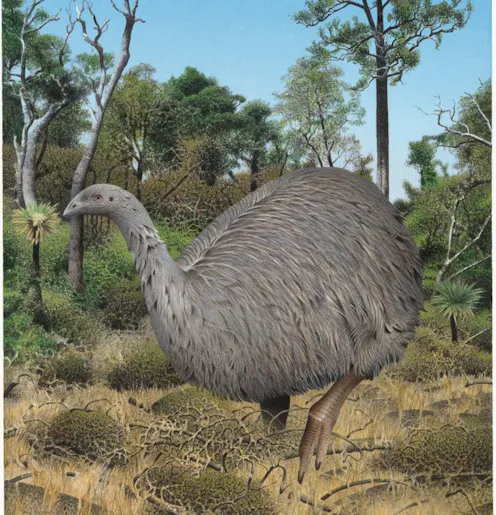
DNA from ancient eastern moa bones is unlocking the secrets of their survival during the last ice age, and providing lessons for today’s threatened species.
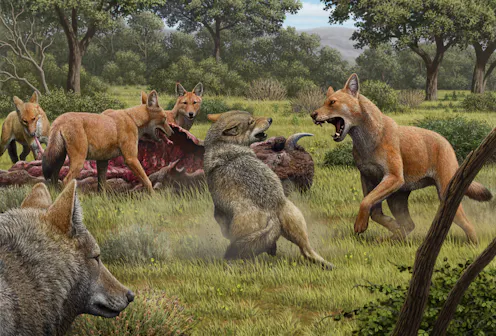
Our research shows dire wolves lived in the tropics not the Arctic, and were not especially close relatives of the grey wolf.
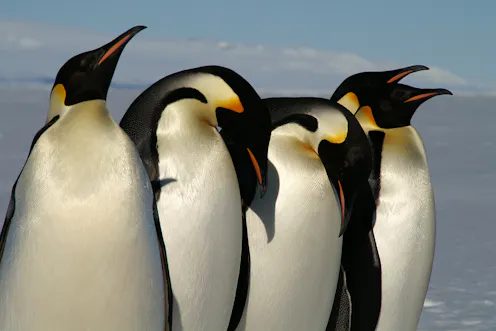
Genetic information extracted from fossil bones of two extinct penguin species shows the geological emergence of islands plays a role in penguin evolution.

The loss of the Siberian unicorn shows just how vulnerable some animals can be to environmental change that can impact on their food supply.
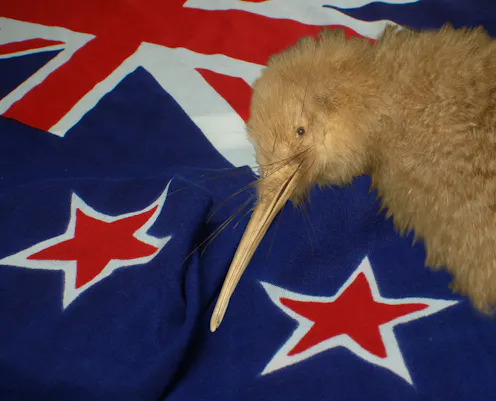
New research has shattered the idea that New Zealand’s iconic kiwi bird is a close relative of Australia’s emu. Instead, the kiwi has a closer connection with a giant flightless bird that was the stuff…
Contact Kieren for
- General
- Media request
- Speaking request
- Consulting / Advising
- Research collaboration
- Research supervision
- Location: Dunedin, New Zealand
- Website
- X (formerly Twitter): @KierenJMitchell
- Article Feed
- ORCID
- Joined
