

When celebrities go public with their prostate cancer diagnoses, they do more than raise awareness.
- Professor of Clinical Epidemiology, Sydney School of Public Health, University of Sydney
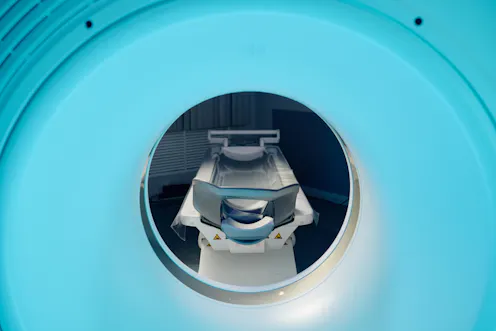
CT scanners at hospitals are often left running 24/7. But a new study shows it’s possible to save energy and still look after patients well.
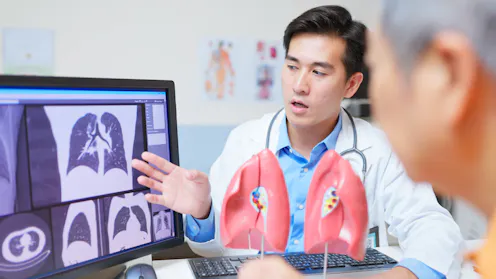
The new lung cancer screening program needs to be independently evaluated to keep it on track, and to minimise the harms.

This is not the first time we’ve seen powerful celebrity stories about cancer have the potential to influence public health. Here’s how you can make sense of the latest news.
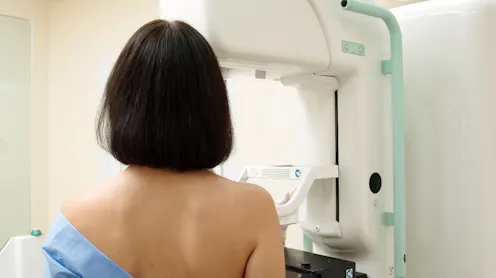
Women may be classed as high or low risk, and screened differently. But the path forward is not clear cut.

Direct-to-consumer tests are products marketed to any consumer who is willing to pay, without going through their GP. But some could do more harm than good.

There have been calls for Australia to follow the US and lower the age for screening, from the current starting age of 50. So should we follow suit?
New research estimates 24% of cancers in men that were detected in 2012 were overdiagnosed, meaning they never would have caused harm if left untreated.
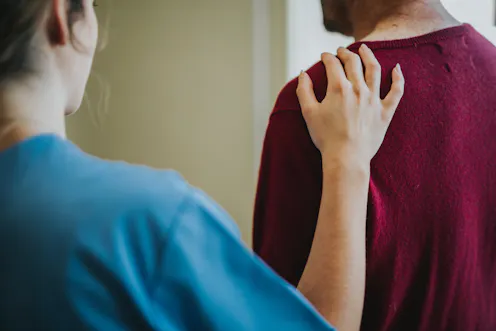
New tests may mean more people are diagnosed, but that doesn’t mean they’ll be helped by the label or the treatment. Here are five markers that overdiagnosis may be occuring.
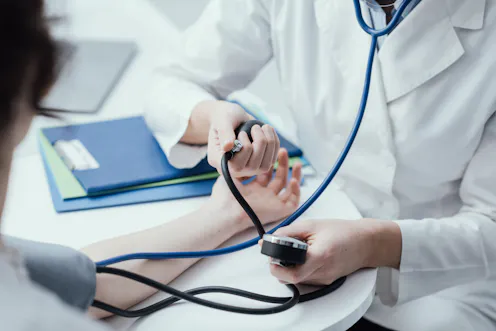
Previously, a person would be diagnosed with high blood pressure if their systolic reading was 140mmHg. But it’s recommended this threshold be lowered to 130mmHg, which will do more harm than good.

Cancer screening is beneficial when it’s able to prevent people dying from cancer. And it should clearly be adopted where there’s evidence showing this. But using cancer survival rates to promote screening…
Contact Katy for
- General
- Media request
- Speaking request
- Consulting / Advising
- Research collaboration
- Research supervision
- Location: Sydney, Australia
- Website
- X (formerly Twitter): @KatyJLbell
- Article Feed
- ORCID
- Joined
