
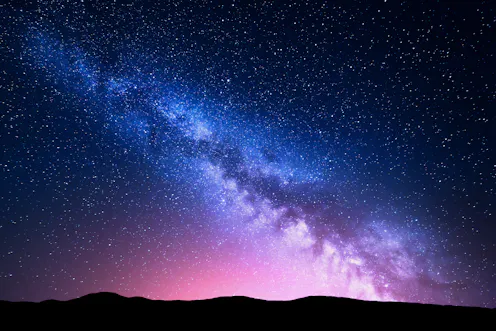
Kita telah mengubah lingkungan saat malam hari dengan singkat, dibandingkan skala waktu evolusioner. Satwa liar tidak punya waktu beradaptasi dengan ini.
- Associate professor, Macquarie University
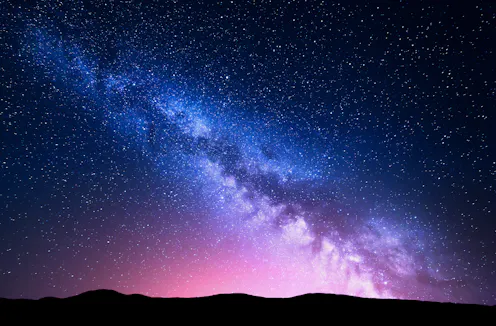
We have transformed the night-time environment in a very short time, relative to evolutionary timescales. Most wildlife hasn’t had time to adjust.
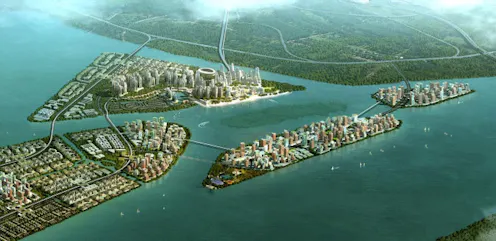
Artificial islands that are now mushrooming across the ocean are regarded as ‘engineering marvels’. But, little attention is paid to how these human-made structures affect sea life.
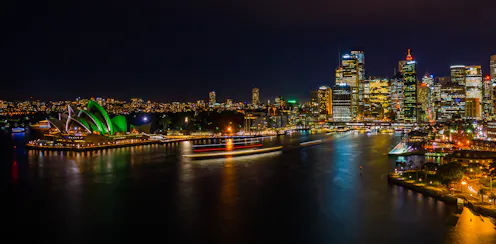
Light pollution is changing the day-night cycle of some fish, dramatically affecting their feeding behaviour.
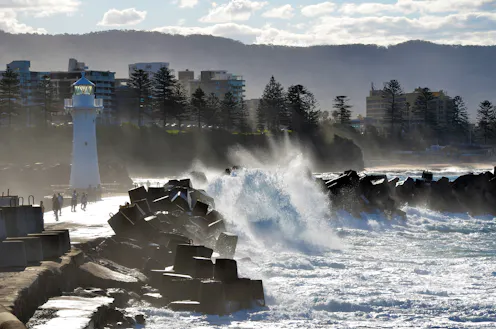
We’ve building in the sea for centuries, and it’s putting our oceans out of balance.
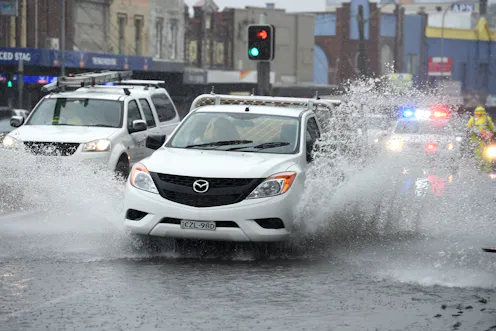
Storms like those that lashed Australia’s east coast flush pollution out to sea.
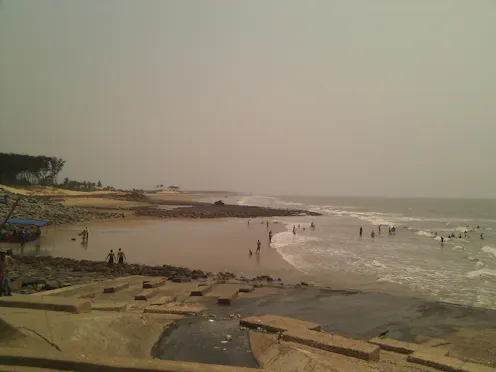
There are more bacteria in the ocean than stars in the known universe. New genetic techniques are letting us use microbes as early warning systems for oceans in trouble from pollution and other stresses.
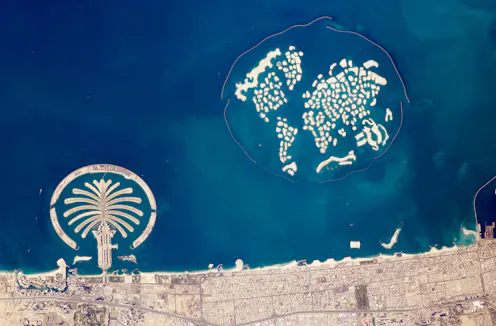
Urban sprawl has spread to the sea, as more and more man-made structures are being built along the world’s coastlines. Just as we do on land, we need to think about how to build sustainably at sea.
Contact Katherine for
- General
- Media request
- Speaking request
- Consulting / Advising
- Research collaboration
- Research supervision
- Location: Sydney, Australia
- Website
- X (formerly Twitter): @DrKDafforn
- Article Feed
- ORCID
- Joined
