
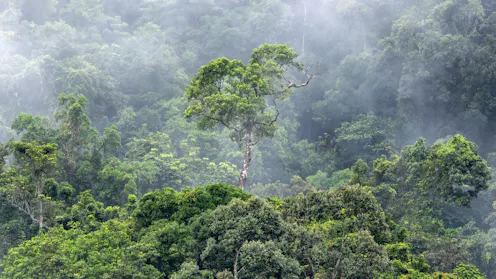
We are still logging and degrading global forests at terrifying speed. How can we slow this destruction, including in Australia?
- Senior Research Fellow, School of Geography, Earth and Atmospheric Sciences, The University of Melbourne
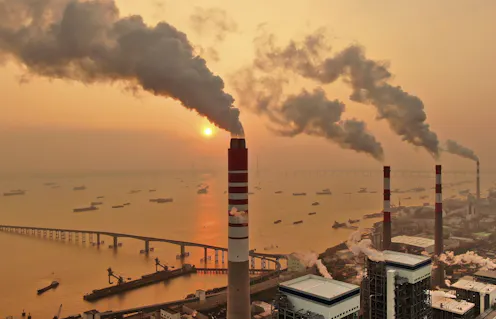
The new system may essentially give countries and companies permission to keep polluting.
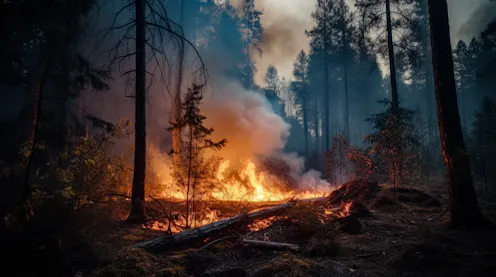
Removing enough carbon to offset emissions would require vast tracts of inhabited land.
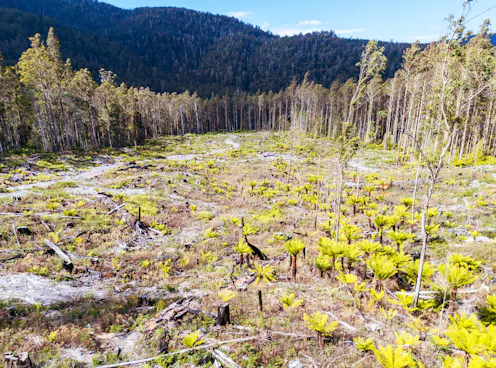
Two states have banned native forest logging, but it’s still happening in the others.
New research finds nature restoration only marginally lowers global warming. This pours cold water on the idea of using carbon offsets to solve the climate crisis.
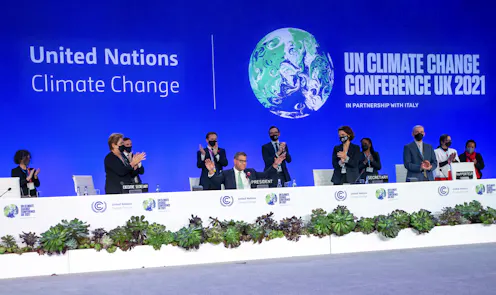
Has the summit delivered on its goals?
Yes, trees and soils can absorb and store carbon, but the carbon doesn’t stay stored forever. That’s one of the problems with how net-zero plans for the climate are being designed.
What really matters is domestic policy; if countries don’t change what they’re doing at home to bring fossil fuels emissions to zero and restore degraded lands, such declarations are meaningless.

Earth has only a few chances to avert catastrophic climate change. At the COP25 in Madrid, we blew one of them.
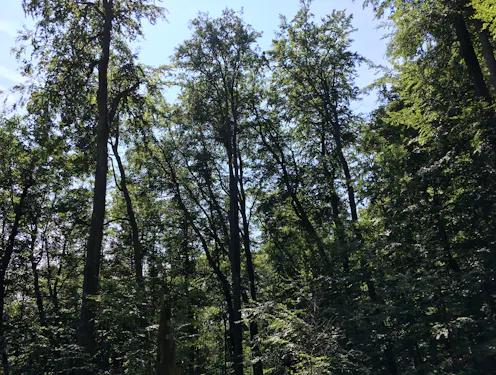
Forget eyecatching headlines about planting millions of new trees – natural mature forests are far better at storing carbon.
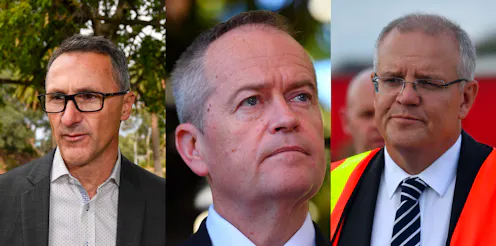
Here’s how the coalition, Labor and the Greens stack up against the Paris targets.
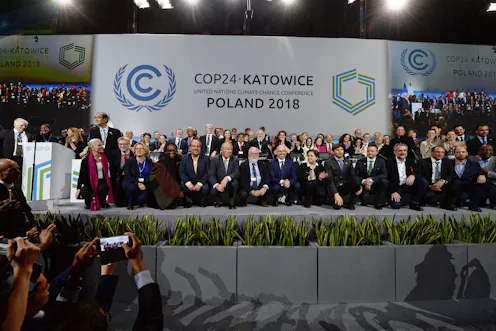
Three years after the Paris Agreement, negotiators have finally agreed (most of) the rules for its implementation. But there is still no way to compel countries to deepen their climate ambitions.
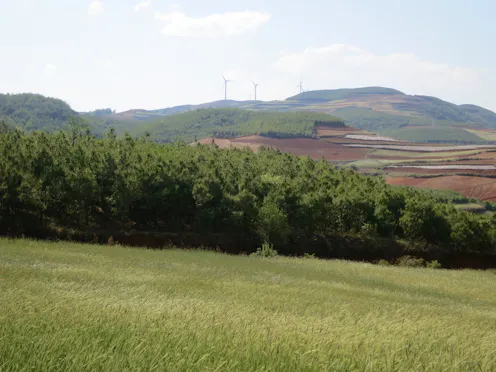
Many models used by policy-makers suggest we’ll have to remove CO2 from the atmosphere - but if we can’t, we have to get much more serious about cutting emissions.
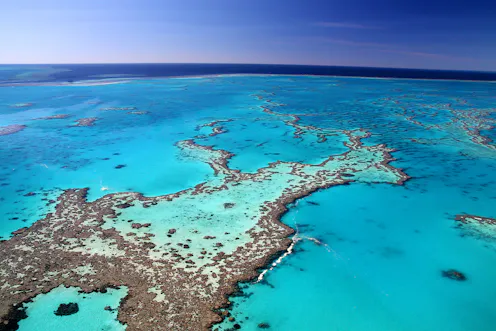
A new report published by the Climate Institute says Australia could avoid lengthy heatwaves and help save the Great Barrier Reef by meeting the Paris Agreement’s 1.5C global warming goal.
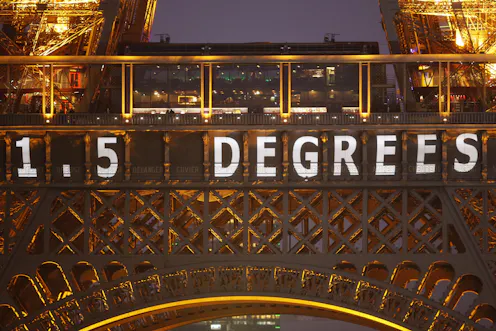
How will the world actually deliver on the Paris climate ambition to hold global warming to no more than 1.5°C? It’s a tough scientific and technical challenge.
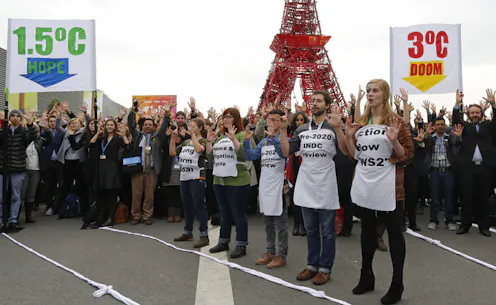
Revendication des petits États insulaires, l’objectif de 1,5 °C comme seuil de réchauffement à ne pas dépasser a gagné une soudaine popularité dans les derniers jours de la conférence climat.
1.5 or 2 degrees? What matters is how we get there.
2C is the officially agreed safe limit for global warming, but a recent expert finds 2C is still in the danger zone.
Contact Kate for
- General
- Media request
- Speaking request
- Consulting / Advising
- Research collaboration
- Location: Melbourne, Australia
- Website
- X (formerly Twitter): @katedooley0
- Article Feed
- Joined
