

In regional NSW, 1 in 3 people experienced food insecurity in the past year. The rate was double for those who were socially isolated or had a mental illness.
- Professor, School of Health Sciences, University of Newcastle
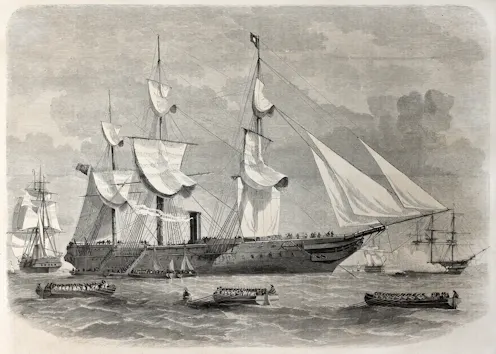
Scurvy is a historical disease caused by severe and chronic deficiency of vitamin C. Its recent reemergence is a poor reflection of the nation’s diet.
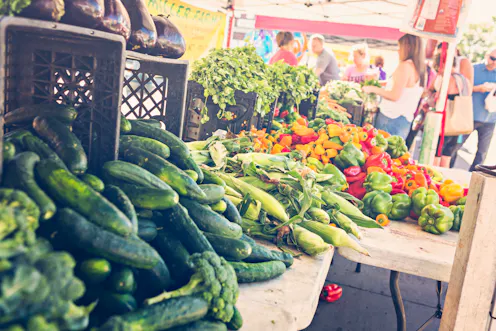
Being a “locavore” means choosing food that is grown locally, and is one way that you can play a role in feeding more people in a rapidly changing world.

Last week I joined 8,500 Australians on the charity challenge to live below the extreme poverty line, spending just $2 a day on food for five days. It was tough and my diet was far from complete.

The government’s focus on treating chronic disease neglects the importance of obesity and the benefits of preventive health measures tailored to gender and socioeconomic circumstances.

As well as being a favourite seasonal fruit, a bioactive compound found in cherries is showing promising effects for brain health.

Dumpster diving: a way to recycle and reduce food waste.
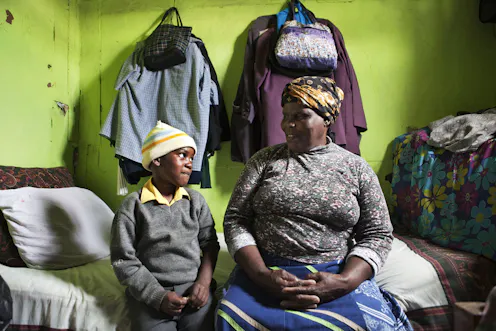
The health care needs of older people tend to be marginalised because South Africa’s health policy is focused on children, youth and maternal care.

Legislation limiting the salt in processed foods will drastically cut the average South African’s salt intake. But how effective will it be?

Pregnant women get all kinds of advice but reliable, evidence-based information on what they should eat for their good health as well as that of their developing child is often sorely missing.

Malnutrition is a significant issue around the world, especially in developing countries. But it’s not just a problem for poor nations; a large number of older Australians also suffer from this insidious…

Global poverty statistics are staggering – 1.2 billion people live in extreme poverty and about 870 million are undernourished – but even in an affluent country such as Australia, many people struggle…

Iodine is naturally present in a range of food, especially seaweed and fish. So it may seem odd that the people of an island nation (most of whom live along its vast coastline) are not getting enough of…
Contact Karen for
- General
- Media request
- Speaking request
- Consulting / Advising
- Research collaboration
- Research supervision
- Location: Newcastle, Australia
- Website
- LinkedIn: www.linkedin.com/in/karen-charlton-78115bb
- Article Feed
- ORCID
- Joined
