Justine Townsend

(she/her)
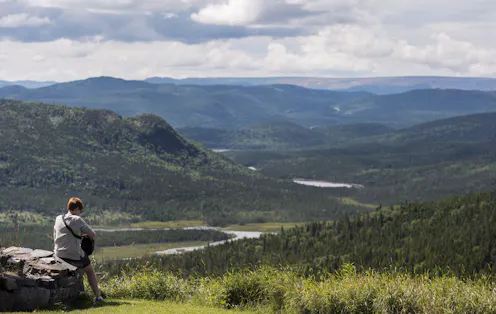
Stuckless Pond in Gros Morne National Park, N.L. Indigenous Protected and Conserved Areas can complement national and provincial parks to promote conservation while also advancing reconciliation. THE CANADIAN PRESS/Darren Calabrese

Canada’s Nature Agreement underscores the need for true reconciliation with Indigenous nations

Indigenous Protected and Conserved Areas face significant hurdles but nevertheless remain a key way to advance reconciliation and environmental goals.
In February, the Innu Council of Ekuanitshit and the Minganie Regional County Municipality declared the Muteshekau Shipu (Magpie River) a legal person, a move that may provide greater certainty for this majestic river’s future. (Boreal River)

Rights for nature: How granting a river ‘personhood’ could help protect it

A recent declaration of a river as a legal person in Canada recognizes Indigenous laws and governance, and champions people as the guardians of nature.
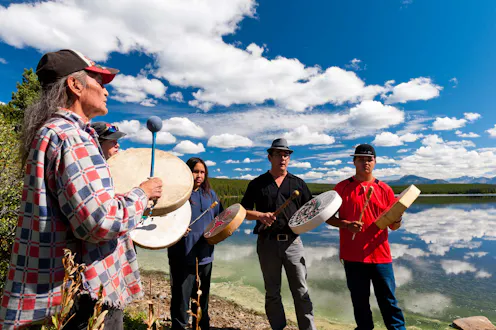
B.C. green-lighted an exploration permit to a mining company, despite the fact that plans for a mine were rejected both federally and by the Tsilhqot’in National Government. (Garth Lenz/ Tsilhqot’in National Government)

Tsilhqot’in blockade points to failures of justice impeding reconciliation in Canada

Dasiqox Tribal Park offers a powerful example of what true reconciliation can mean for Canada when Indigenous peoples and their rights are respected and upheld.

Contact Justine for

  • General
  • Media request
  • Speaking request
  • Consulting / Advising
  • Research collaboration
  • Research supervision