
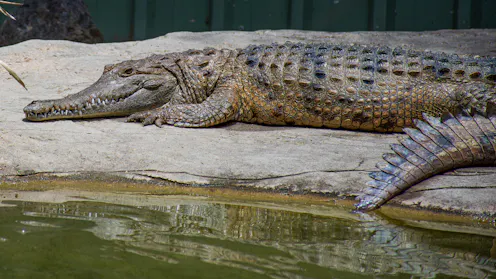
A host of unique crocodylian species ruled the roost in Australia and surrounds for millions of years – until humans came along.
- Professor, Palaeontology, Griffith University
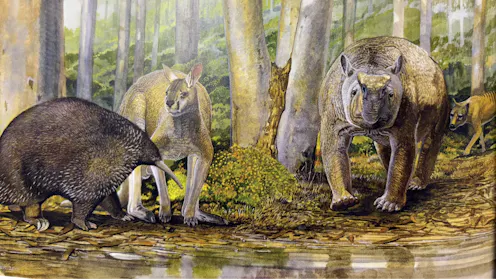
Australia doesn’t have any ‘kill sites’. In fact, there’s no hard evidence people hunted the megafauna.
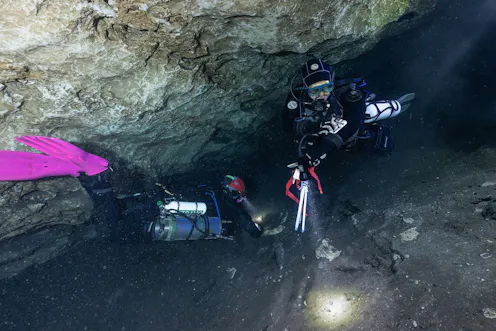
Scientists have teamed up with cave divers on a perilous mission – to reach exceptional fossils and learn more about Australia’s past

The findings suggest we weren’t the first advanced carnivore among the hominins, as has been previously assumed.
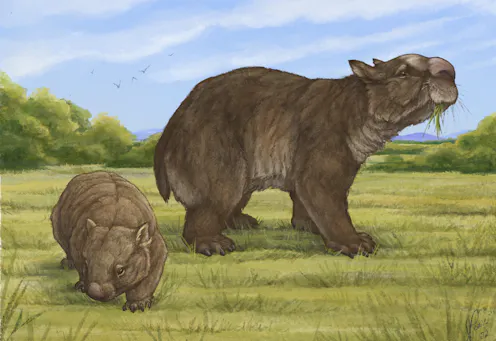
80,000 years ago, Australia’s landscape was dominated by much larger versions of today’s marsupials – including enigmatic and enormous wombats.
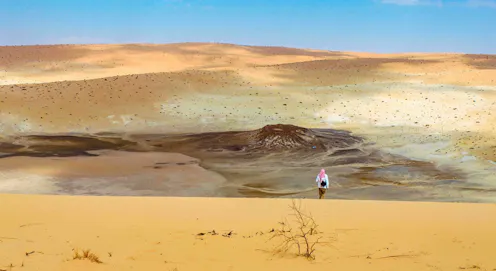
The new work presents the oldest dated evidence for hominins in Arabia, in the form of an ancient handaxe tool uncovered from the Nefud Desert.

The famous deaths of moas and dodos has fed a narrative in which humans are agents of extinction for island-dwelling animals. But research suggests this only recently became the case.
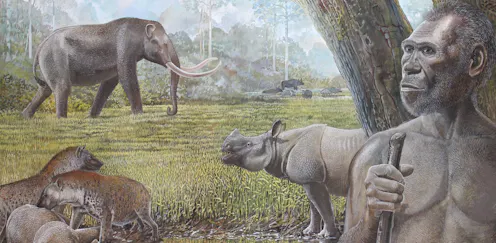
Beberapa teori mengatakan manusia, perubahan iklim atau keduanya membuat megafauna di Asia Tenggara punah. Penelitian kami melihat hal yang berbeda.
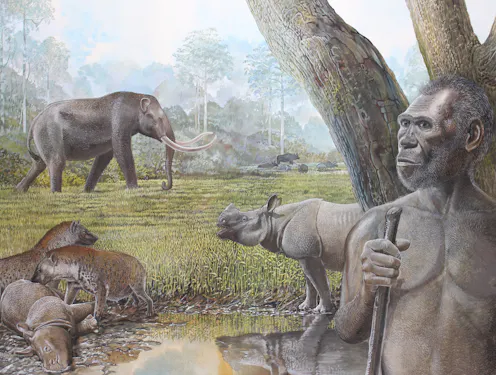
Several theories have suggested either humans, climate change or both drove megafauna extinctions in Southeast Asia. Our newest work suggests otherwise.
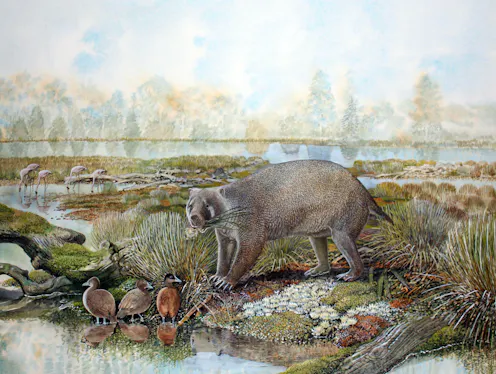
The extinct Mukupirna - which translates to ‘big bones’ - is estimated to have been more than four times larger than any living wombat.
Contact Julien for
- General
- Media request
- Speaking request
- Consulting / Advising
- Research collaboration
- Research supervision
