
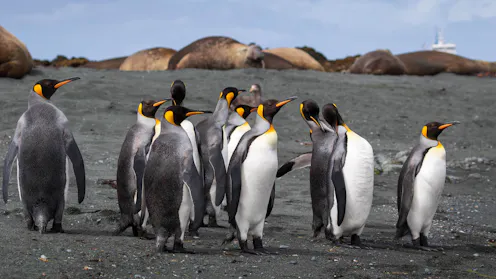
Understanding the true magnitude of the current H5N1 outbreak is key to curbing its spread.
- Professor of Conservation Biology, Charles Darwin University
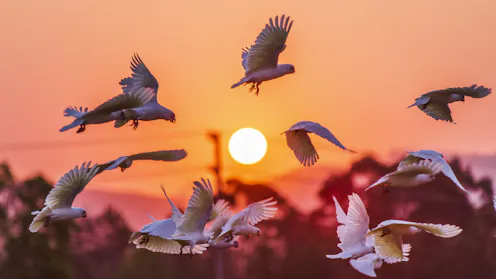
As a lethal bird flu spreads in Australian wildlife, it can be easy to think nothing can stop it. That’s an error – much can be done.
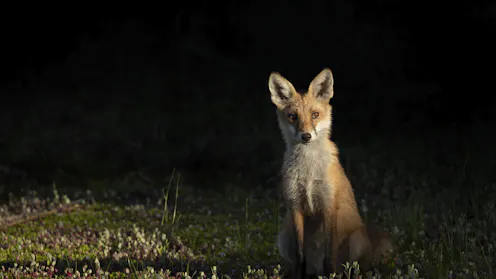
Decades of evidence link foxes and feral cats with extinctions of Australian mammals. Claims these introduced predators aren’t responsible don’t stack up.
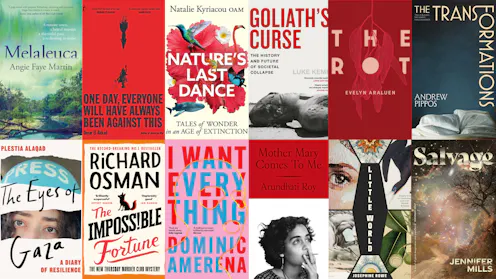
We found out the favourite 2025 books of 35 expert readers – and the Books & Ideas team shares our own picks, too.
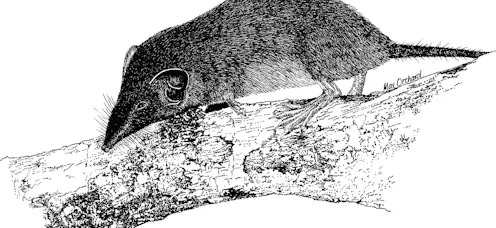
Australia’s only known shrew has been declared extinct. Its loss emphasises the need for national protection of Australia’s rare and unique wildlife.
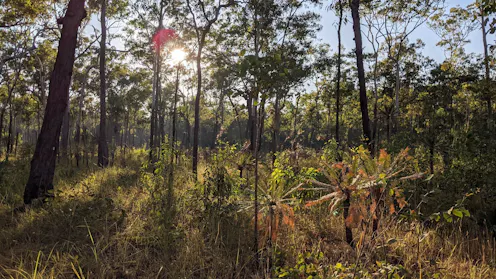
New research examines the reasons for the decline of small mammals in Australia’s tropical savannas and identifies the most effective practical solutions.
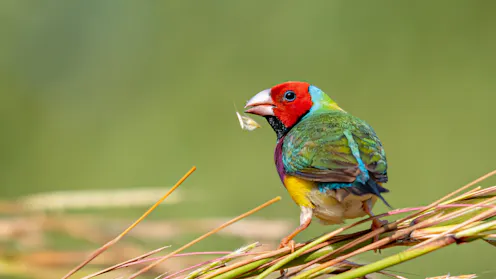
A new report reveals the perilous state of nature in the Top End of the Northern Territory. Here’s how to arrest the decline of threatened species and habitat.

Three experts consider what’s required to protect and conserve Australia’s natural wonders, from fighting invaders to stopping habitat loss and saving species.
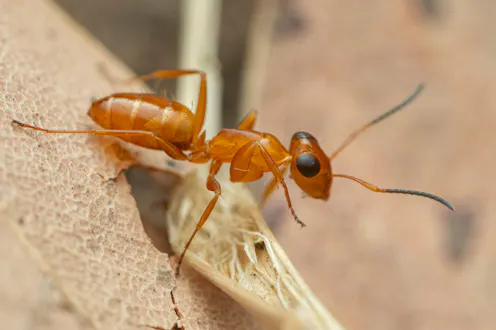
A new study estimates there have been more than 9,000 Australian invertebrate extinctions since 1788. Only one has been officially listed.
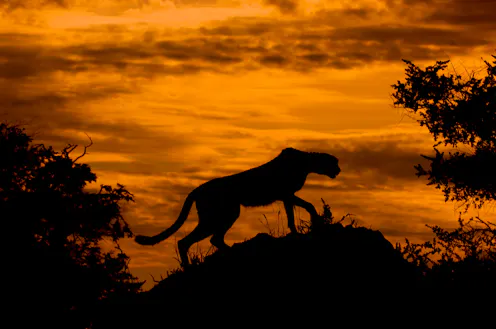
A new book paints intricate portraits of plant and animal species, showing how they are woven into their ecological setting and describing how that weave is unravelling.
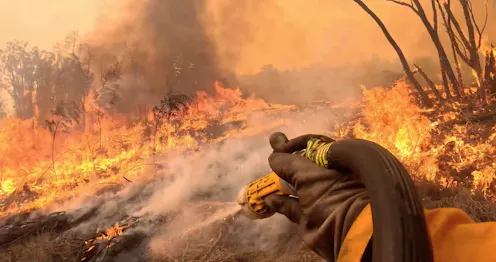
Survey respondents overwhelmingly prioritised saving a human life – even if that person had been repeatedly told to evacuate and even if, as a consequence, a snail or shrub species became extinct.
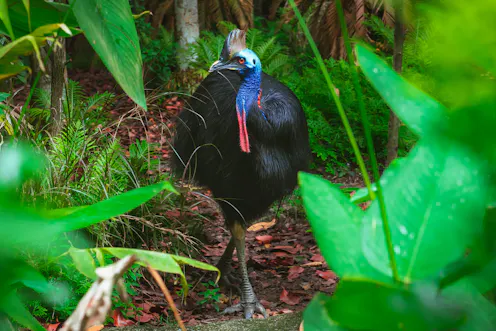
It’s hard work saving birds from extinction, but we have the evidence of successful interventions to show we can avoid further losses.
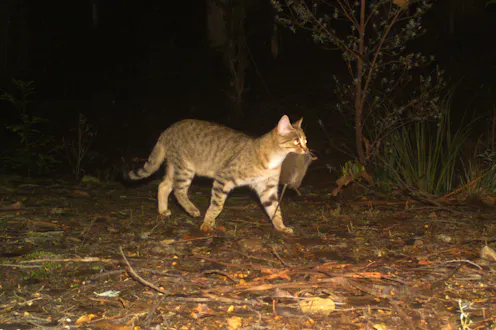
The Australian government has at last produced a serious plan to control an introduced predator that is a big reason this country has one of the world’s worst records for species extinctions.
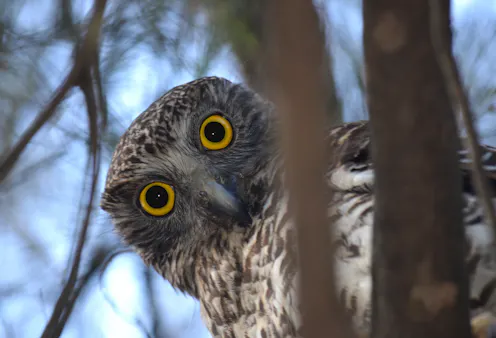
Owls are masterpieces of adaption, having honed their expertise as night predators over millions of years. Two new books delve into the world of these birds and the battle to protect certain species.
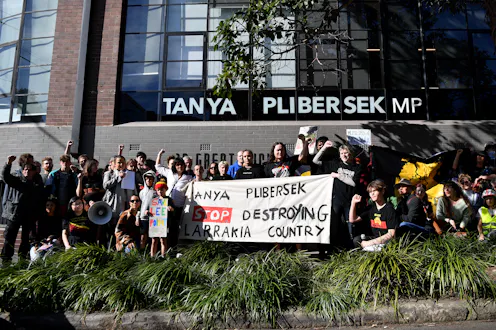
The Darwin woodland is home to endangered species and important for the Larrakia people. The development approval requires habitat offsets – yet the minister herself has publicly doubted offsets work.
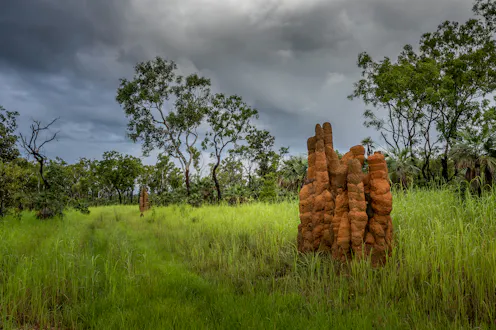
Hungry for development and industry investment, the Northern Territory government is putting one of the world’s last intact tropical ecosystems at risk. Scientists are calling for better protections.
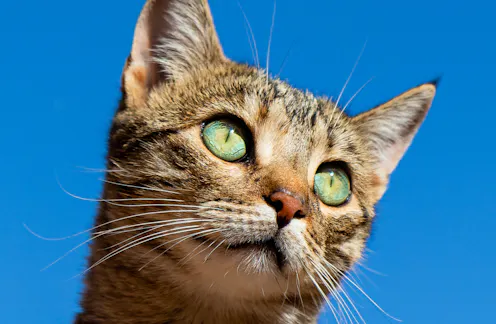
One-third of local councils have rules to stop pet cats roaming because of their major impacts on wildlife. More councils want to get on board but many are hampered by state laws.
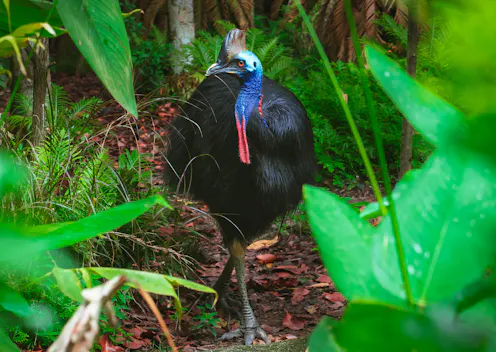
Dozens of species have been coaxed back from oblivion, with fenced havens, conserved habitat, islands and feral predator control vital.
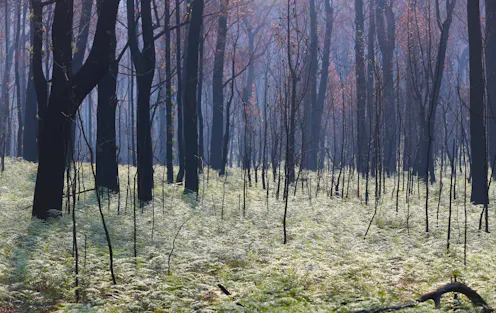
In one finding, fire authorities chose to save a few farm sheds over 5,000 hectares of national park. Clearly, our fire management needs a reset.
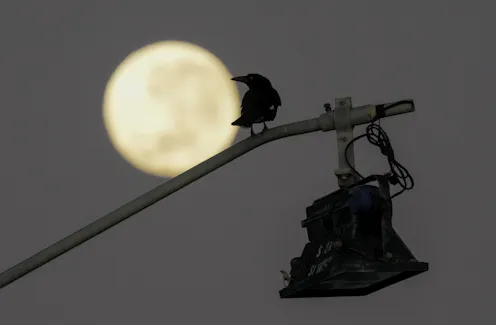
A new book explores how birds have adapted to our cities - from nesting in skyscrapers to snatching food - reflecting on the beauty and wildness they bring to urban landscapes.
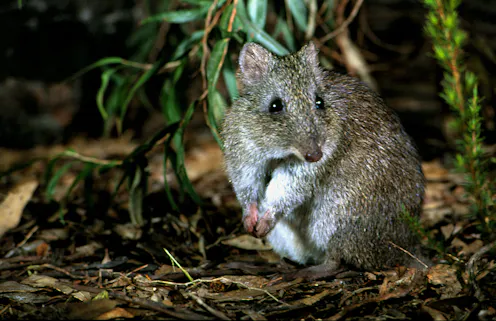
The hardest to save will be five reptiles, four birds, four frogs, two mammals and one fish, for which there are no recent confirmed records of their continued existence.
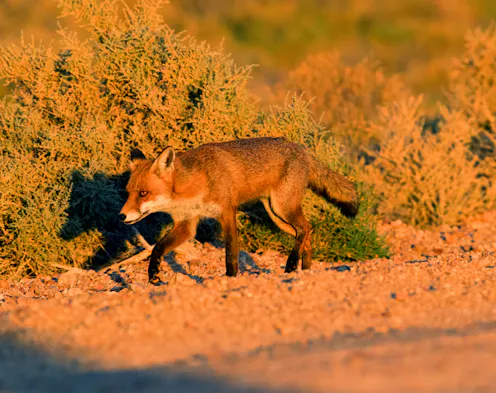
In some regions, foxes kill at least 1,000 animals per square kilometre every year.
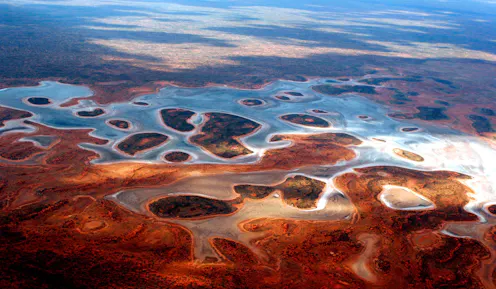
John Woinarksi’s copy of this 1935 classic of environmental writing is older than him, mostly broken, much read and priceless.
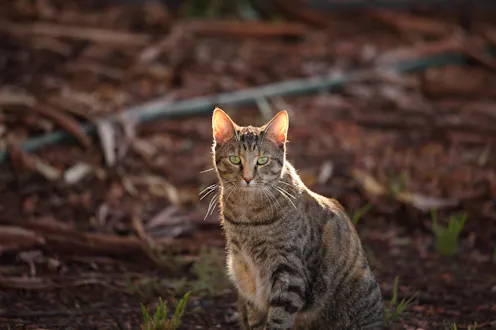
Cats kill a staggering 1.7 billion native animals each year, and threaten at least 120 species with extinction. Five experts analyse a parliamentary report on the problem.
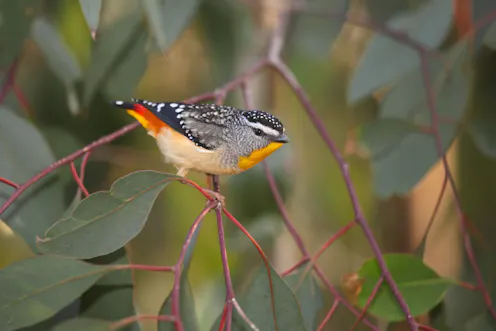
Pardalotes are quintessentially Australian birds, industrious, beautiful and strange. They have adapted to our environment but we are corroding the places in which they live.
Contact John for
- General
- Media request
- Speaking request
- Consulting / Advising
- Research collaboration
- Research supervision
- Location: Darwin, Australia
- Website
- Article Feed
- ORCID
- Joined
