
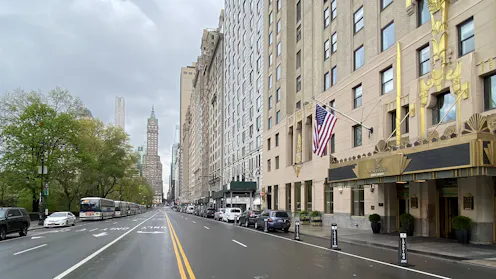
In The Twilight Before the Storm, global strategist Viktor Shvets charts the shift from the fractured 1930s to today’s crisis culture.
- Professor, School of Economics, The University of Queensland
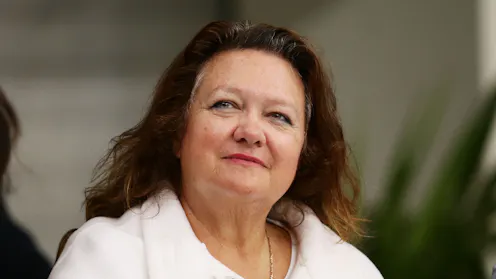
You don’t have to be born rich to make big money in Australia, but it certainly helps.
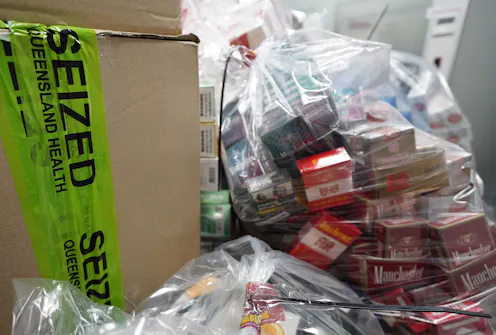
The illicit market has reached the point where it is significantly distorting the national accounts.
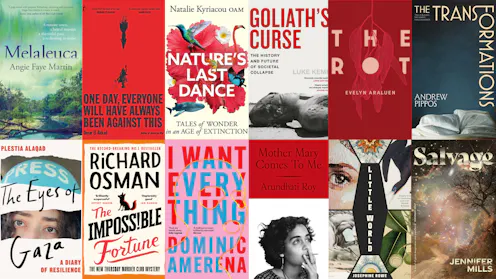
We found out the favourite 2025 books of 35 expert readers – and the Books & Ideas team shares our own picks, too.
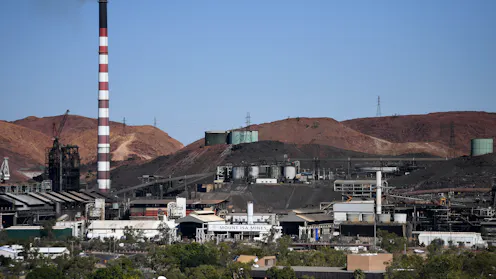
It’s one thing to abandon the dogmas of neoliberalism. It’s quite another to develop a coherent alternative.
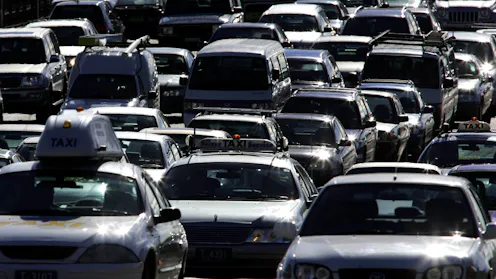
A new road charge mooted for electric vehicle drivers is based on a fundamental misconception.
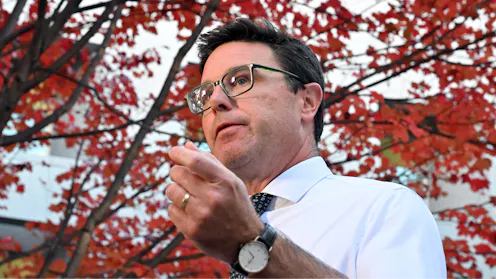
Littleproud could not balance his party’s competing views on energy policy while inking a deal with the Liberals. Instead, the party will go it alone.
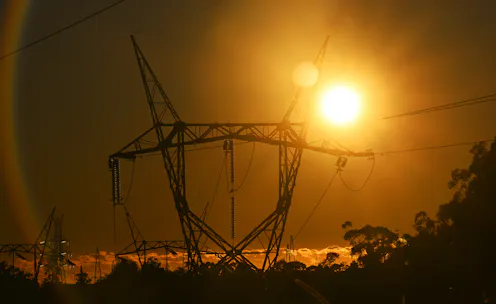
Both Labor and the Coalition say their energy policies are the best way to bring household power costs down – but which side is right?
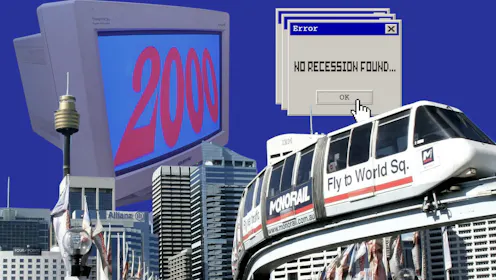
The rise of the information economy has been one of the biggest transformations of the Australian economic landscape since the start of the millennium.
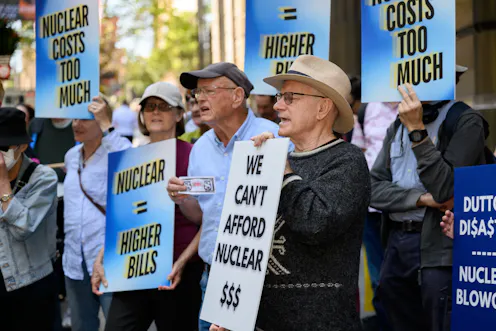
The report highlights weaknesses in the Coalition nuclear plan. In particular, it reveals the idea of cheap, factory-built nuclear reactors is a mirage.
Nuclear is far from a reality in Australia. In the interim, Dutton’s plan would prop up coal and gas
The US and UK want to triple nuclear power capacity worldwide by 2050. But that leaves renewable rich ally Australia in a tricky situation
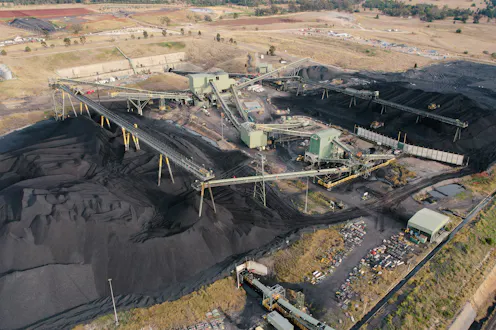
As Australia’s domestic reliance on coal falls, our exports are bigger than ever – and new coal approvals suggest this won’t change soon.
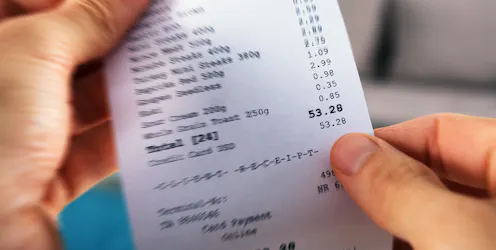
Using higher interest rates to contain inflation creates winners and losers rather than sustainably making living more affordable.
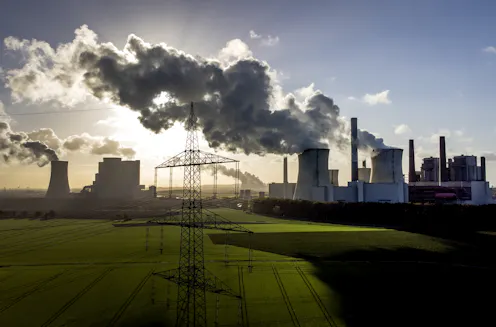
The researchers found most emissions reduction relied on a mix of policies, rather than a single solution.
On one hand, the government has just waved through one of the biggest banking mergers of the last 20 years. On the other, they’ve been waving the big stick at Australia’s supermarket oligopoly.
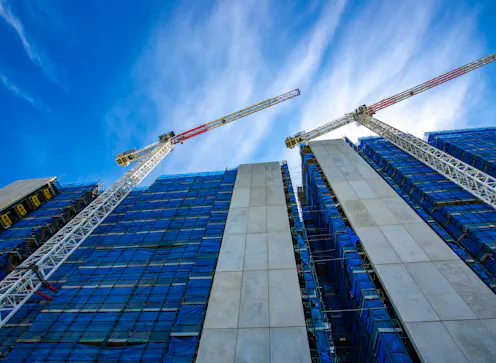
Public ownership is back in vogue, after the Coalition promised publicly owned nuclear plants in a decade. The problem is, the public service has been hollowed out.
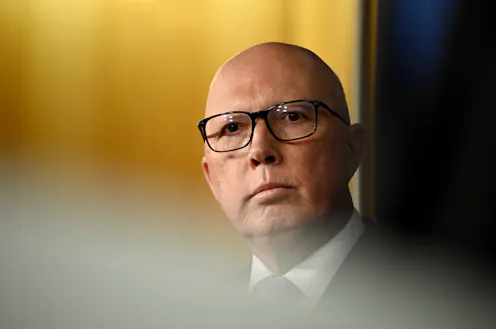
The Coalition’s nuclear policy announcement leaves many burning questions. Exactly what kind of reactors will be built? Who will build them? And how much they will cost?
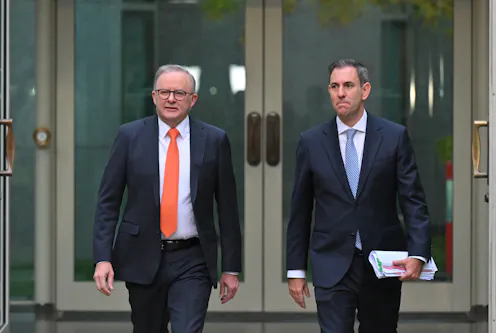
Many of the party’s more ambitious proposals – like free cancer treatment and dental care for pensioners – were abandoned after the 2019 election, and have not resurfaced.
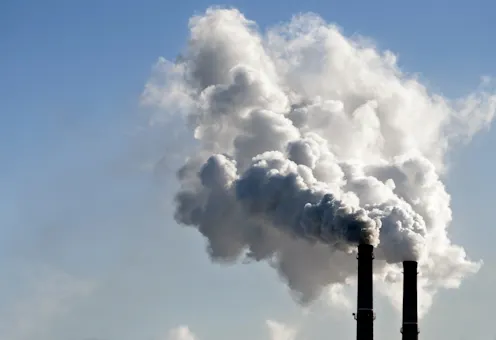
For two years, Australia had a carbon price. Now we have a shadow price which won’t be paid by any emitter.
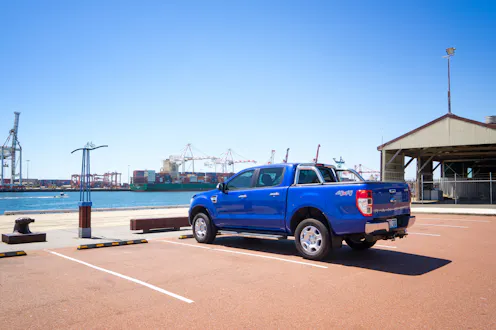
The amended rules will slow the reduction in emissions from Australia’s polluting road transport sector and reflect alarming trends, here and abroad.

The Shortest History of Economics is not just a history of economic thought, but a history of economic life.
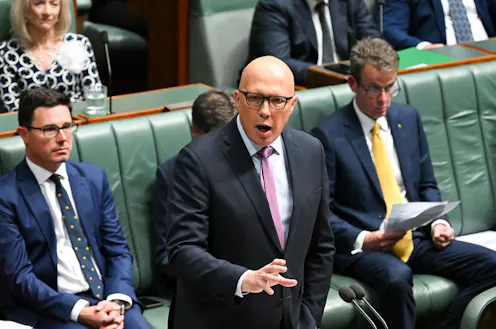
Small modular reactors are popular among conservative politicians and supposedly the Australian public. But they’re nowhere near ready to power Australia in time to replace coal-powered stations.
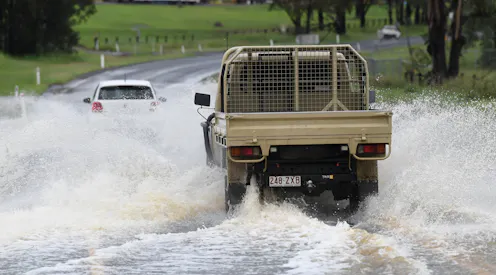
The road to fuel-efficiency reform in Australia is a bumpy one – and the Albanese government has hazards to negotiate before its proposal becomes law.

The World Economic Forum was once about spreading wealth. But in the past three years, the wealth of the world’s top five billionaires has more than doubled while 60% of humanity has grown poorer.
Contact John for
- General
- Media request
- Speaking request
- Consulting / Advising
- Research collaboration
- Research supervision
- Location: Brisbane, Australia
- Website
- Article Feed
- ORCID
- Joined
