
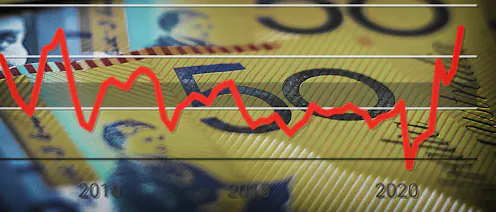
For the past 30 years or so, the RBA has targeted an inflation rate of 2-3%. But the rationale for a rate that low was always weak, and has since broken down.
- Professor, School of Economics, The University of Queensland
The rise of teals and Greens challenges Labor to take more ambitious climate action, but room to move is constrained by pre-election commitments.
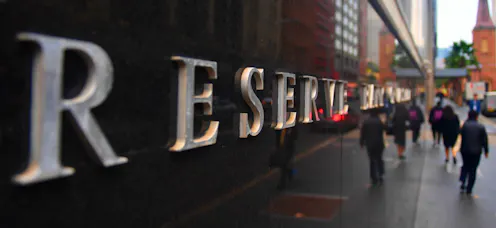
The independent review of the Reserve Bank should be headed by someone from outside the country say 12 leading economists in an open letter to the treasurer.
Doing as little as possible on climate change was a seemingly safe political strategy until recently. As of Saturday night, it’s a recipe for political disaster.
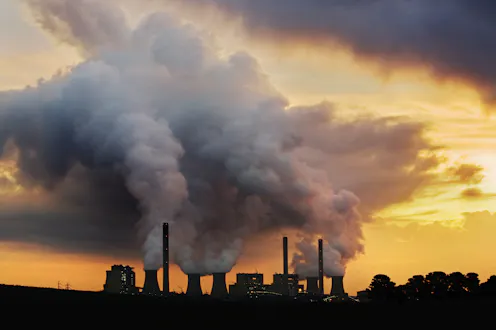
In 2022, Australia is facing an election in which both major parties have little to offer on emissions reductions and moving away from fossil fuels.
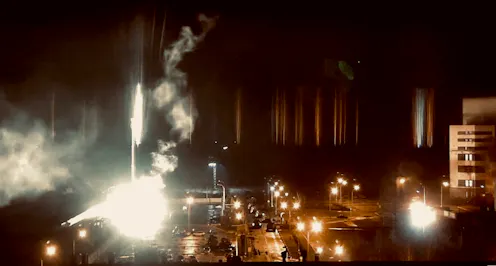
The conflict highlights the folly of nations exiting nuclear power while continuing to use coal, gas and oil.
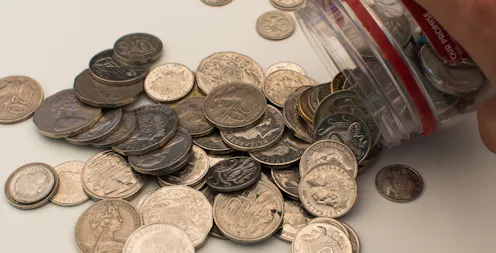
The plan to increase all income support payments to a minimum of $88 a day is the first major economic proposal of the federal election campaign.

One in 1,000 years style descriptions apply to probabilities that don’t change. The likelihood of severe floods is increasing.

For most Australians working a standard full-time job, moving to a 4-day work week could occur in two stages.
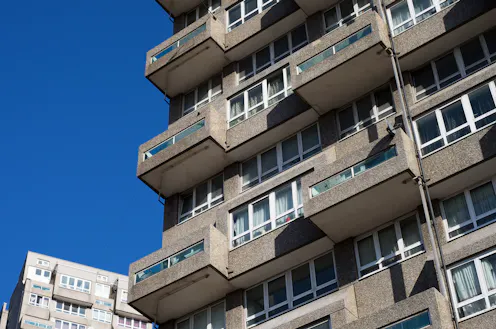
The $10 billion fund will provide only $450 million for social housing per year, and less when markets turn down, but such funds can make financial sense.
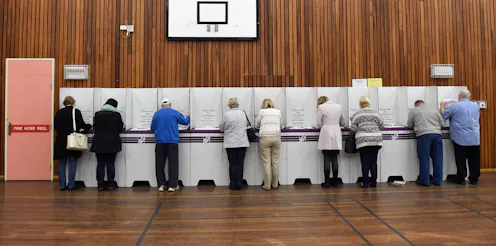
Australia’s compulsory voting laws undermine the arguments for requiring voters to produce identification.
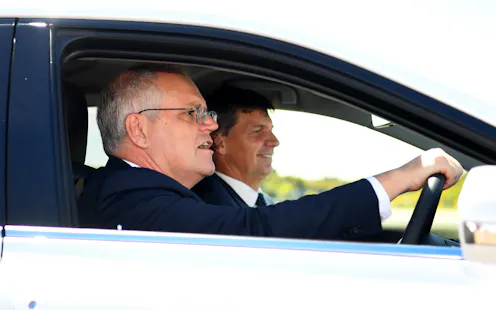
The sale of traditional vehicles would have to cease completely by 2038 to reach the government’s target. So where’s the plan to get there?

Heading into the final days of the Glasgow summit, the goal of limiting heating below 2°C looks attainable, and 1.5°C is still within reach. There is still room for hope.
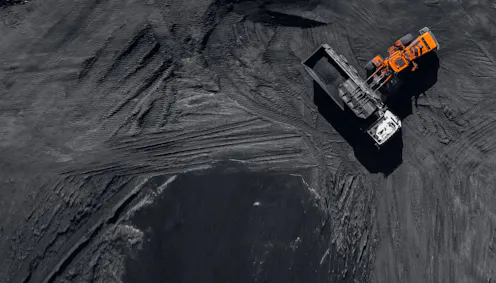
The brutal arithmetic behind the prime minister’s carbon reduction plan leaves no place for coal.
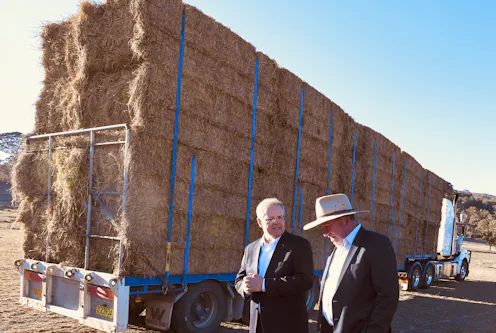
The real decisions on Australia’s emissions reduction are being made by state governments and civil society, or outside the country altogether.
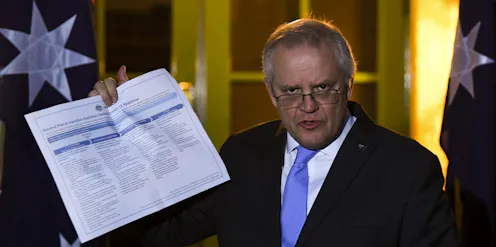
The problem with the plan to relax restrictions at 70% and 80% vaccination rates is it’s based on modelling that’s now obsolete.
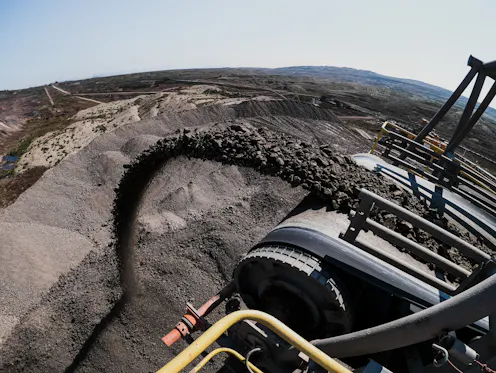
Major research found Australia must keep 95% of coal in the ground to limit global warming. With a little political will, this would be easy to do.
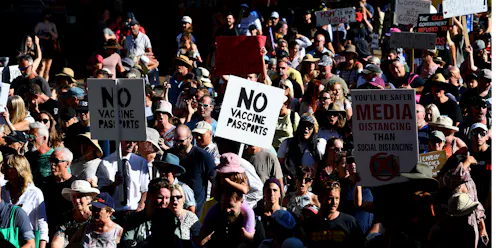
Protesters might make some noise, but not enough to stop vaccine passports becoming Australia’s preferred policy.
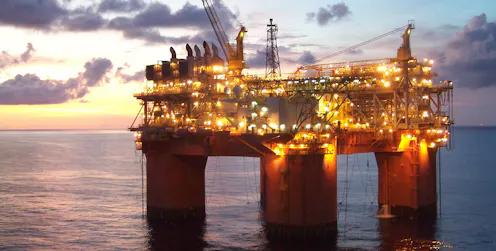
By hiving off its oil and gas assets into a separate company, BHP is acknowledging it has no future in the carbon emissions business.
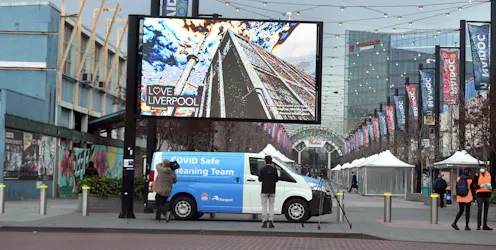
Pitting health against the economy is a false dichotomy.
The Morrison government could have backed Australia’s clean energy sector to create jobs and stimulate the post-pandemic economy. Instead, it’s sending the nation on a fool’s errand.
We are unable to fund news organisations in the way we used to.
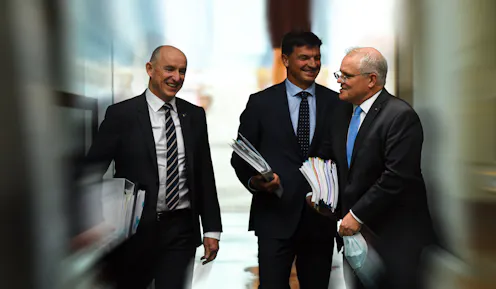
The real target is China. Australia will be collateral damage.
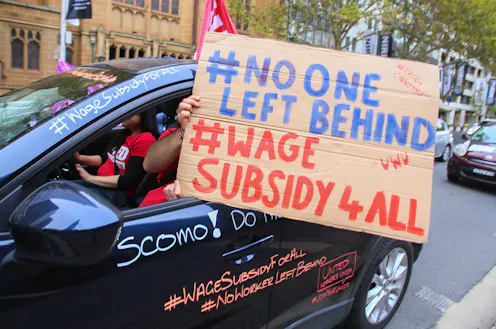
The inadequacy of the Newstart payment was recognised long before the pandemic. We shouldn’t go back to it.
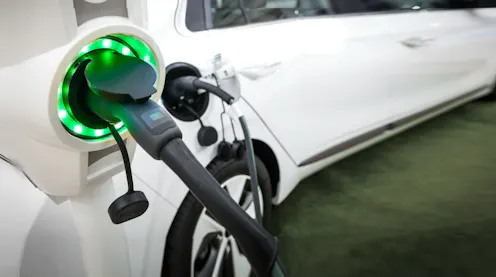
Sure, the owners of electric cars don’t pay properly to use the roads, but it’s even worse for the owners of conventionally-powered vehicles.
Contact John for
- General
- Media request
- Speaking request
- Consulting / Advising
- Research collaboration
- Research supervision
- Location: Brisbane, Australia
- Website
- Article Feed
- ORCID
- Joined
