
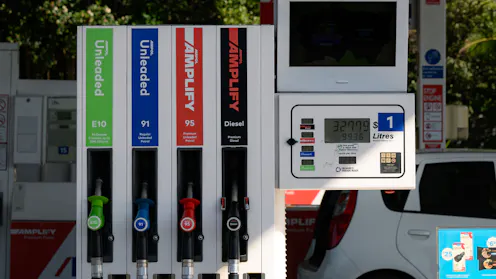
A more radical reform package would include a road user charge.
- Professor, Department of Economics, The University of Melbourne

Both major parties have policies aimed at helping low and middle income earners buy homes. But they’re both stopgap solutions – and too many buyers, renters and even investors will pay the price.
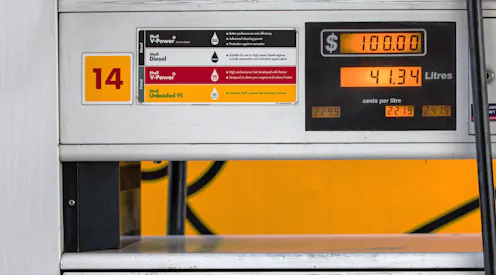
Our fuel tax is only a rough approximation of the cost of using roads and it will get worse.

Its “opt-in” proposal means some homeowners will never switch over and will never pay land tax.
The ABS is providing near real-time data like never before. It’s labour force survey remains the most authorative way of tracking the labour market.

Granting low-wage workers a “living wage” instead of a minimum wage is far from costless, and there are much better ways of helping people genuinely in need.

Having an envoy for drought and a prime minister keen to visit drought-affected areas puts the government under pressure to do the wrong thing.
The unknown loser is who pays for the additional Commonwealth funding.
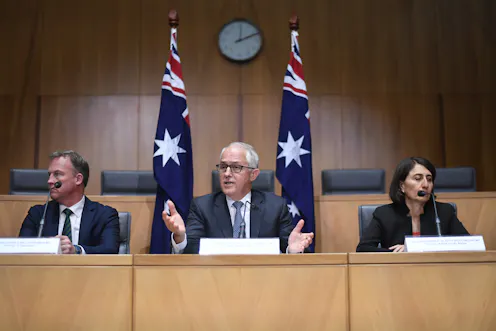
The Productivity Commission has recommended reform to the relationship between the federal and state governments. Here are three areas that demand it.
Contrary to what Labor and the banks have predicted, revenue from the bank levy will likely be higher, even with deductions.
There are many potential reforms to the tax system that are revenue neutral, from broadening the tax base to replacing transaction taxes.
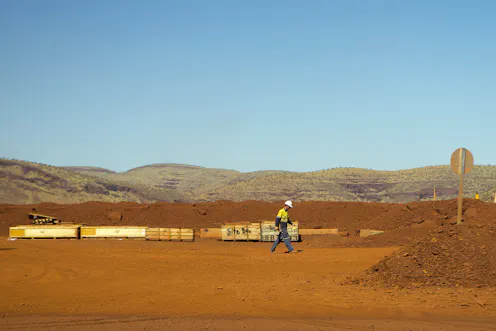
The petroleum resource rent tax must be reformed to generate any significant revenue.
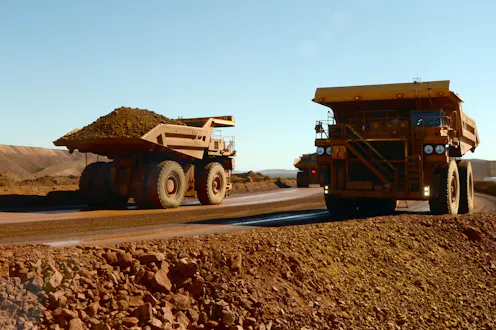
Critics of Australia’s fuel tax credits system have pointed to its impact on the budget bottom line, but calculating that cost is far from straightforward.
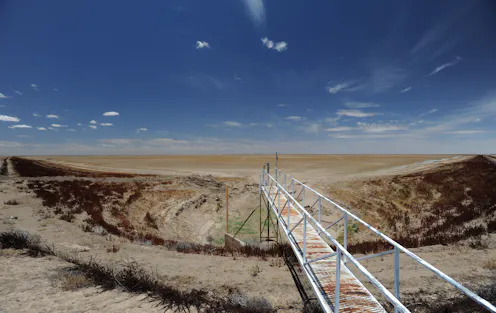
The Productivity Commission report finds that the agricultural industry is overburdened by red tape but there’s still no clear solution for the best type of regulation.

Paying a higher price for milk at the supermarket won’t help farmers much as the Australian dairy industry is more exposed to international markets.

Wins for small business; significant superannuation reform; multinational tax avoidance addressed; and more.
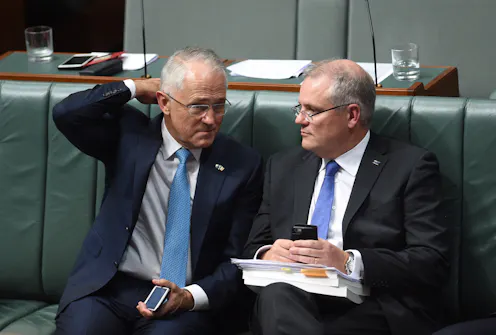
It’s not easy to prove which type of tax cut will drive more jobs and growth.
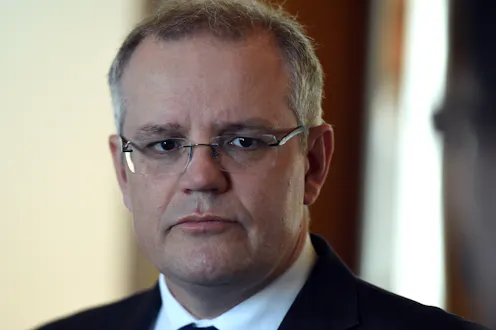
It would be easy to misinterpret a recent comment by federal Treasurer Scott Morrison as meaning that states and territories generate 90% of all revenue collected in Australia. That’s not the case.

Shadow Treasurer Chris Bowen told Q&A that the government would have to spend close to 60% of any GST revenue raised on compensation. Is that a fact?
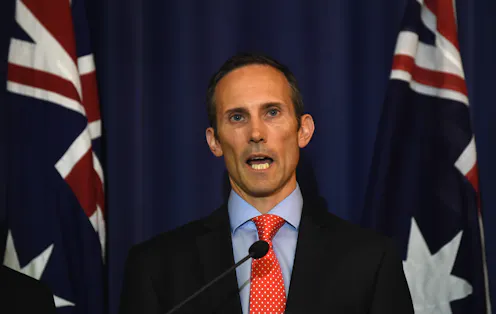
The Shadow Assistant Treasurer, Andrew Leigh, has said the the Government’s latest tax discussion paper says the GST is as inefficient as income tax, adding he thinks it’s less equitable. Is that right?
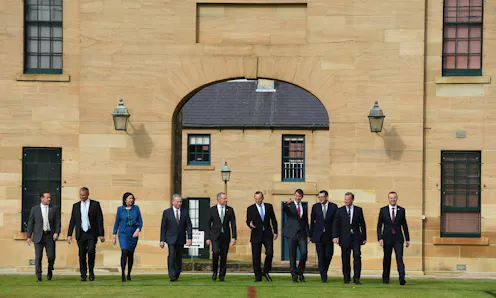
A package of tax reform, including a GST with a broader base, would help grow the Australian economy.
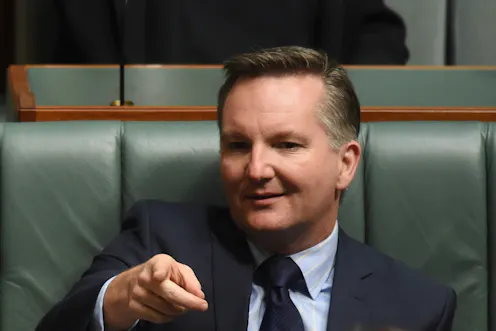
The Shadow Treasurer, Chris Bowen, has said that tax as a percentage of the economy is higher now than it was under the previous government. Is that right?

Wondering about the how the GST revenue is actually allocated? Read this explainer.
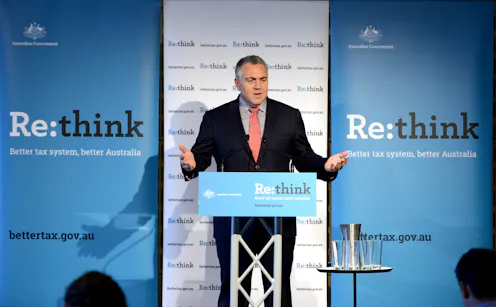
Changing the GST in isolation would create serious problems, but increasing it alongside other reforms could have a major upside.

Those currently depending on the minimum wage and penalty rates would be hit by any reduction - but overall, there may be a net social gain.
Contact John for
- General
- Media request
- Speaking request
- Consulting / Advising
- Research collaboration
- Research supervision
