

The G20 infrastructure agenda cites an OECD prediction the global infrastructure gap will be worth US$70 trillion by 2030. It is predicting this gap will grow. Yet it’s difficult to assess the credibility…
- Professor, Department of Economics, The University of Melbourne

The reform of Australia’s federation is under review. In this special series, we ask leading Australian academics to begin a debate on renewing federalism, from tax reform to the broader issues of democracy…
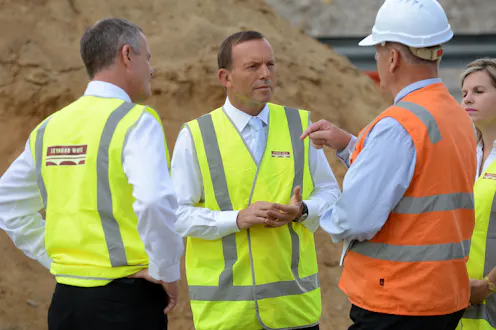
One of the many challenges facing the Australian economy over the next decade or two concerns investment in transport, electricity, water, communications, health and education, and other infrastructure…
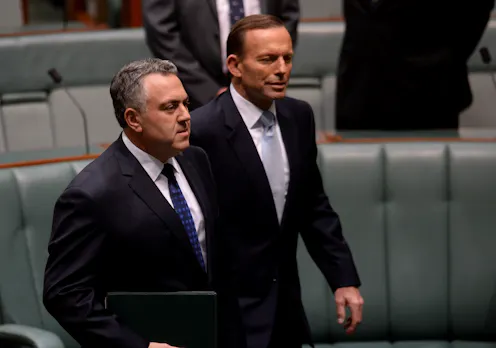
The federal budget reignited debate over federal-state relations with a decision to cut $80 billion funding for the state responsibilities of schools and hospitals over the coming years. So how can federal-state…

The Victorian government has decided to reduce payroll tax by 0.05%, from 4.9% to 4.85%. The decision comes as the Commonwealth government contemplates an increase in income tax via a deficit levy. But…
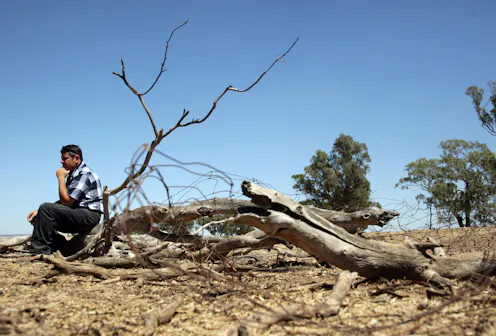
Droughts, seasonal fluctuations, and changing commodity prices are a given and unchangeable characteristic of farming. Farmers voluntarily invest in agriculture and expect that the good times will more…
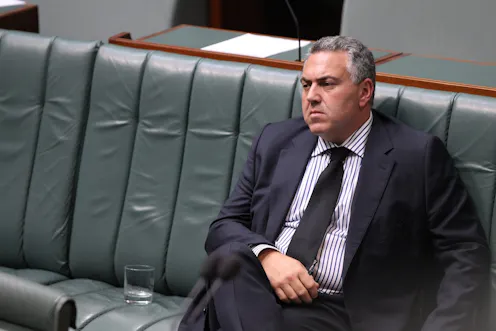
Media reports preceding the mid year economic and fiscal outlook suggest we should expect a deficit of just under A$50 billion, a further deterioration of Australia’s budget position since the pre-election…
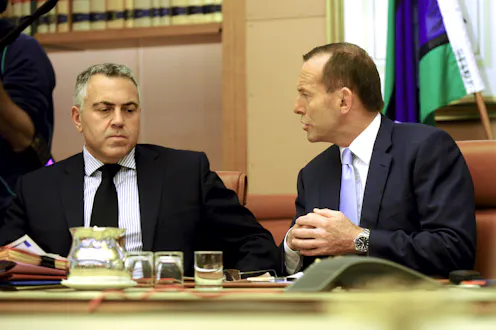
Both Labor and Coalition states are pushing the federal government to extend the GST to more online purchases as they look for additional sources of revenue. And while the Coalition had promised no changes…
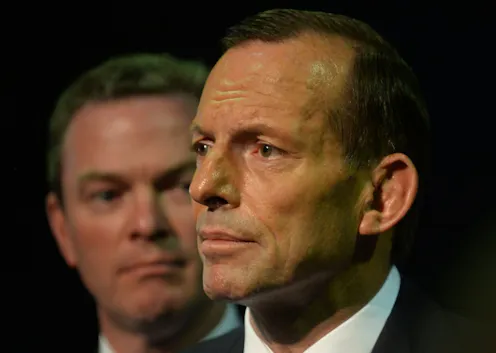
The economic promises of both the Coalition and the ALP rely on two “big taxes”: the mining tax and the carbon tax. This week, the Coalition revealed what it believes it will save from abolishing them…
Proposals by the two main political parties to provide selected subsidies to particular regions and industries, unless justified to correct a market failure, are a quick way to reduce productivity and…

“They [the Labor government] haven’t just slowed the growth of productivity, they have actually produced a diminution of Australia’s multi-factor productivity by 3% since the end of 2007. This is a very…

All Australian governments, and ultimately all Australians, are faced with making tough decisions in their budgets. Without significant reductions in government expenditures and the services they provide…
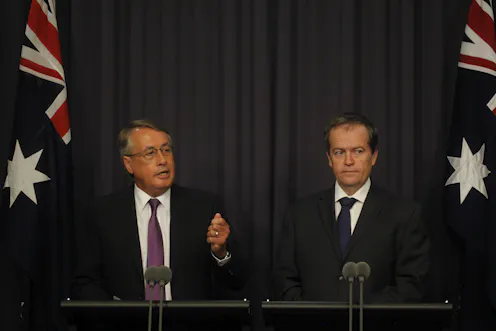
Today, the Australian government announced additional taxation of high income funds in the decumulation or retirement stage of investments in superannuation. Arguably, the changes add more to complexity…
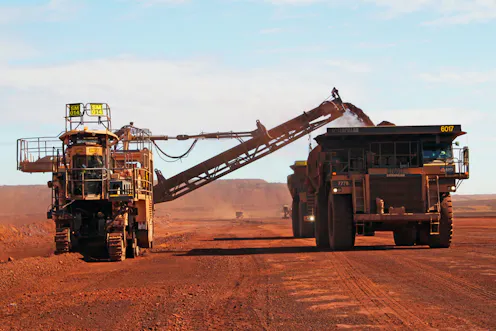
The Commonwealth government’s mining tax, the minerals resource rent tax (MRRT), has been a continuing source of controversy. It is easy to point to its significant problems, but a considerable challenge…
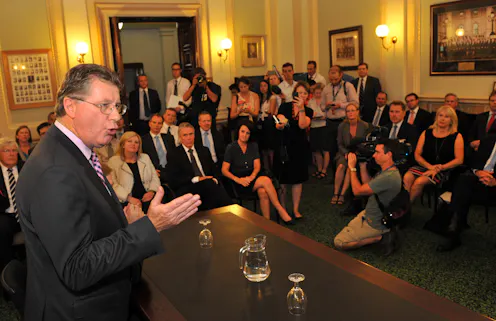
The last two years for Victorians and the Baillieu government have been challenging, with a flat economy and tight budget constraints. The next few years for the Napthine government are likely to involve…

Increases in humidity caused as a result of climate change are reducing labour productivity and it’s only likely to get worse over time, argue researchers from America’s National Oceanic and Atmospheric…
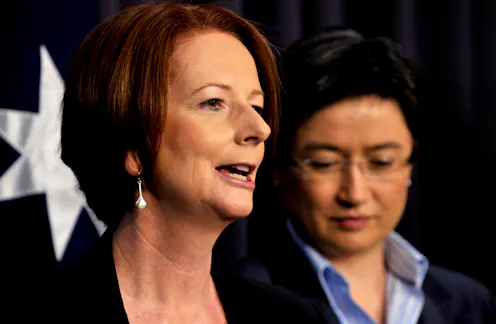
Reform of Australia’s taxation system has to be high on the agenda to raise national productivity, for greater simplicity, and to improve equity. However, because of the magnitude of the challenges to…

With appropriate investment in design and explanation, a larger GST reform package could be one of the most effective and easiest options to help reverse Australia’s lagging productivity growth. Changes…

A GST on imported goods valued under $1000 is unlikely say tax experts, despite a government taskforce suggesting “in principle” grounds for it. The Low Value Parcel Processing Taskforce yesterday released…

Yesterday, the government’s business tax working group released its discussion paper on possibilities for tax reform. The paper makes a case for a broader base and lower tax rate (the corporate tax is…
The majority of Australians would prefer higher living standards. This can take the form of better access to better healthcare services and education, better environmental outcomes, more time for friends…

The two main political parties agree to reduce greenhouse gas emissions by 2020 to 5% below the 2000 level, or about a 20% reduction below business as usual. However, they propose very different policy…
In summing up a business summit in Brisbane on 13 June, the Prime Minister floated her intention to lower the company tax rate - but as part of a business tax revenue neutral package. This intention raises…
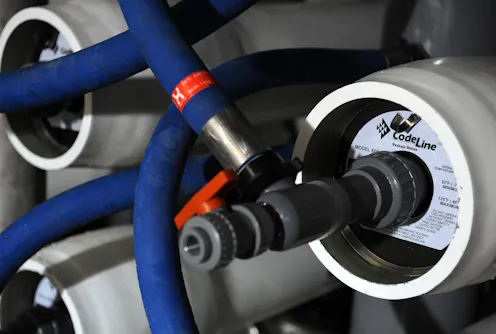
Productivity growth results in more valued output per unit of production input, or the same output for fewer inputs. Growth of productivity requires changes involving the adoption of new technology, better…
While changes to the GST are not an explicit item on the Tax Forum agenda, they should be and the issue will arise anyway. A broad and comprehensive GST tax base along the lines of the New Zealand model…
Contact John for
- General
- Media request
- Speaking request
- Consulting / Advising
- Research collaboration
- Research supervision
