
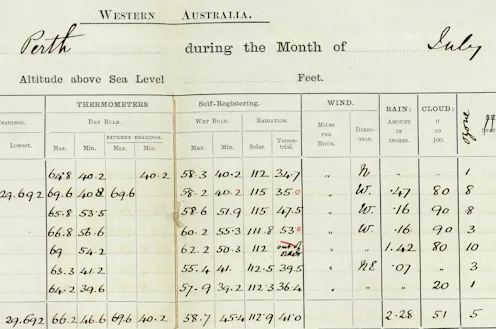
How did Australia’s climate fluctuate before the large-scale burning of fossil fuels? Old records can help us find out.
- Honorary Associate Professor of Climate Science, The University of Melbourne
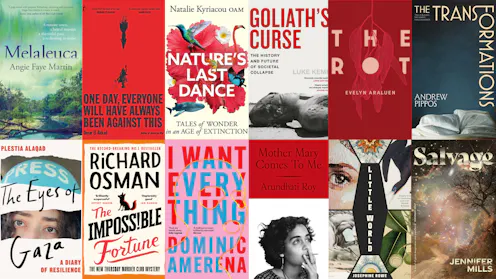
We found out the favourite 2025 books of 35 expert readers – and the Books & Ideas team shares our own picks, too.
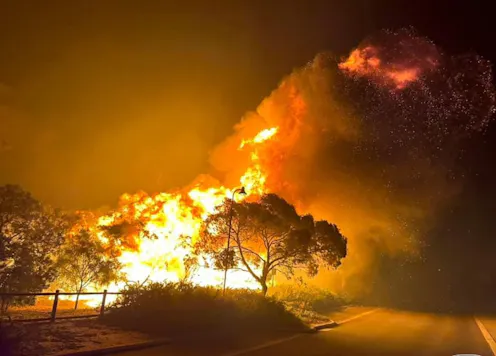
If currently implemented policies are continued with no increase in ambition, there is a 90% chance that the Earth will warm between 2.3°C and 4.5°C, with a best estimate of 3.5°C.
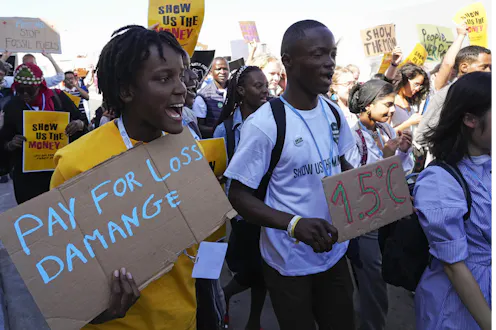
Fear and Wonder is a new climate podcast, brought to you by The Conversation and the Climate Council. In this final episode, we discuss how poorer nations are at greater risk to a changing climate.
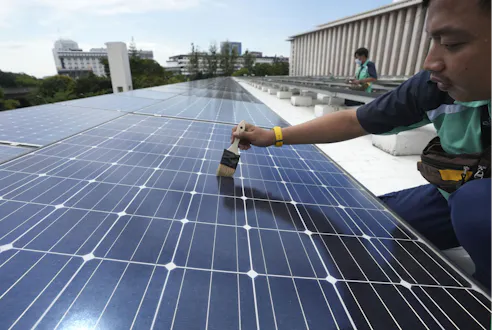
Fear and Wonder is a new climate podcast, brought to you by The Conversation, and sponsored by the Climate Council. In this episode, we discuss possible solutions to the climate crisis.
Fear and Wonder is a new climate podcast, brought to you by The Conversation, and sponsored by the Climate Council. In episode five, we discuss how climate change is affecting vulnerable species.
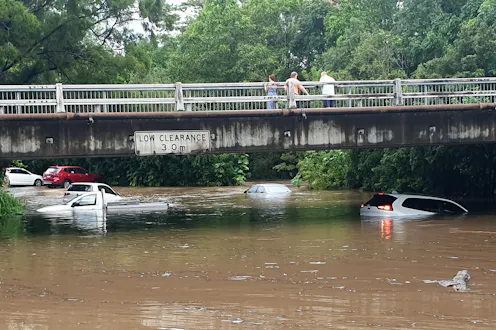
Fear and Wonder is a new climate podcast, brought to you by The Conversation, and sponsored by the Climate Council. In episode four, we discuss how climate change is affecting the water cycle.
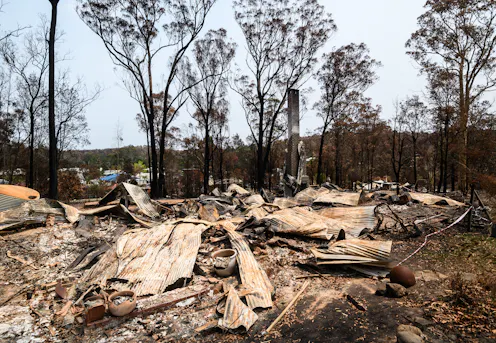
Fear and Wonder is a new climate podcast, brought to you by The Conversation, and sponsored by the Climate Council. In episode three, we discuss the latest advances in extreme weather attribution.
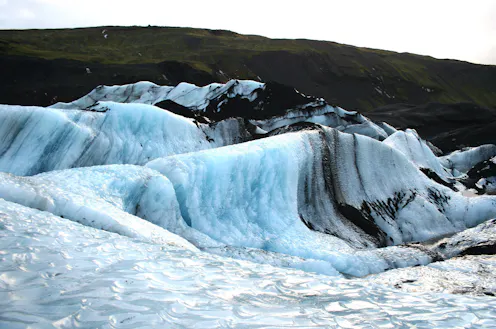
Fear and Wonder is a new climate podcast, brought to you by The Conversation, and sponsored by the Climate Council. In episode two, we discuss the latest advances for measuring climate change.
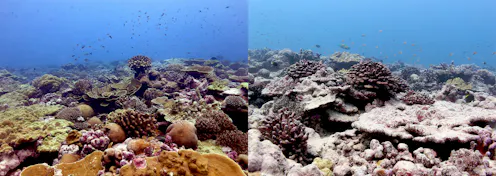
Fear and Wonder is a new climate podcast, brought to you by The Conversation, and sponsored by the Climate Council. In episode one, we discuss how scientists know the climate is changing.
Fear and Wonder is a new climate podcast, brought to you by The Conversation, and sponsored by the Climate Council.
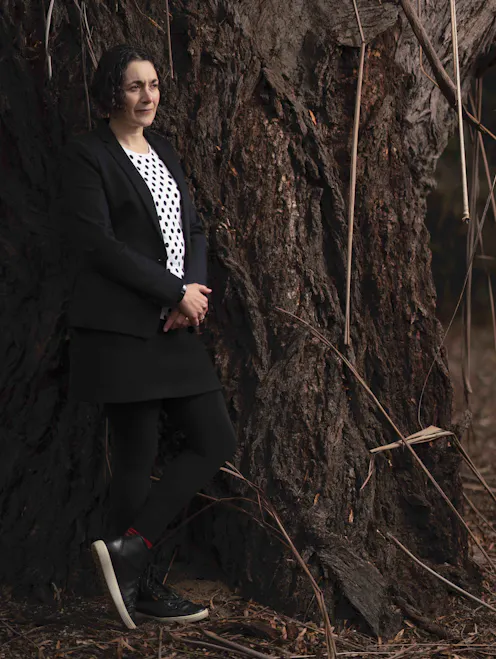
The science tells us this is our last chance to avert planetary disaster. Accepting our feelings of intense loss – for ourselves and the Earth – can propel us into action, writes Joelle Gergis.
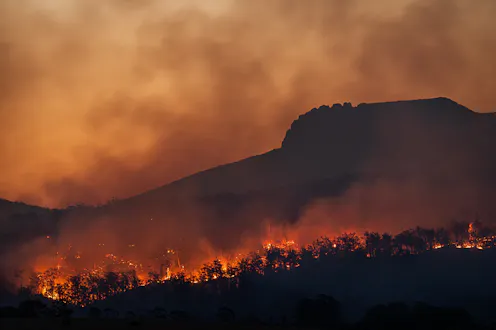
Australian authors have formed a new group, Writers for Climate Action. Joelle Gergis explains how art, along with science, can help bring about the changes needed.
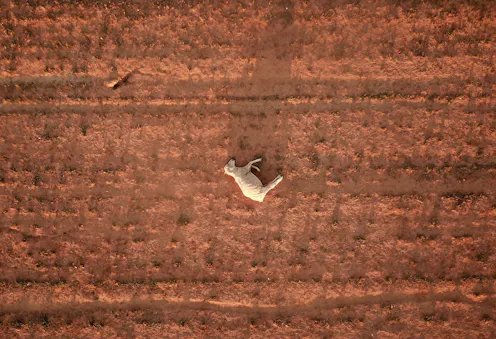
Australia may warm by 4°C or more this century, the IPCC has found. As these IPCC authors explain, there is no going back from some changes in the climate system.
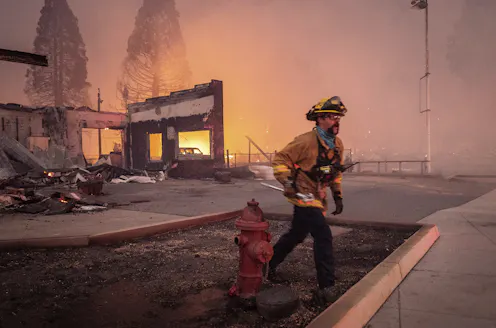
The Intergovernmental Panel on Climate Change has released its long-awaited report. From accelerating emissions to intensifying disasters to rising sea levels, its authors lay out the new findings.
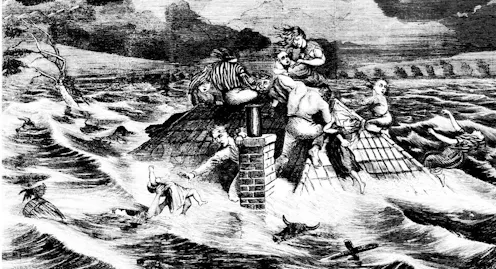
The NSW floods are a textbook example of the theoretical impacts we can expect on Australian rainfall as climate change continues.
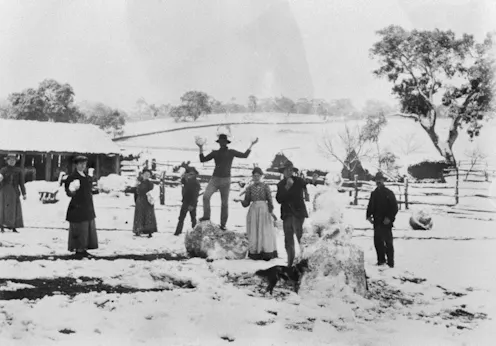
Older records can tell us a lot about Australia’s pre-industrial climate, before the large-scale burning of fossil fuels tainted global temperature records.
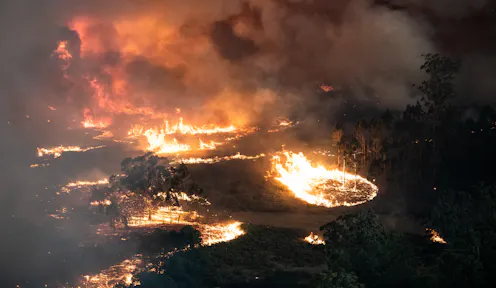
The latest bushfires cannot be compared to Ash Wednesday or Black Saturday. Our nation’s fire history is being rewritten.
A podcast on extremes: from far-right politics, to life in conflict zones and the extreme weather of Australia.
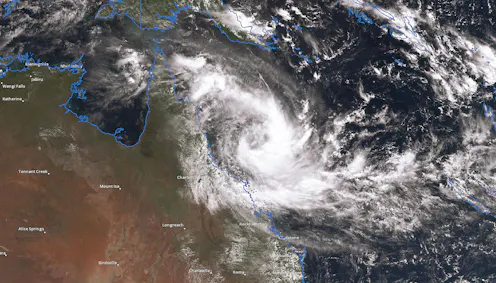
Cyclone season approacheth, but this year there’s a twist
The Conversation, CC BY31.4 MB (download)
Australia must come to terms with some fundamental shifts in our weather patterns. This month, Andrew Watkins from the BOM and climate scientist Joelle Gergis explore what's in store.
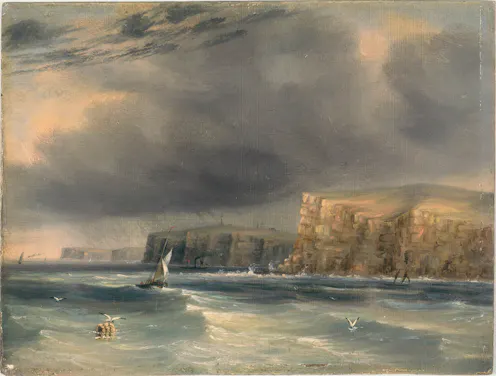
When the First Fleet sailed into Sydney Cove in 1788, they entered an ancient and unforgiving landscape. A new book charts Australians’ relationship with one of the world’s most volatile climates.
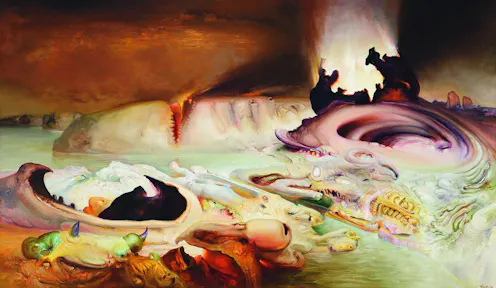
A new art festival featuring climate-related works offers a new way to see an issue that is often framed in purely scientific terms.
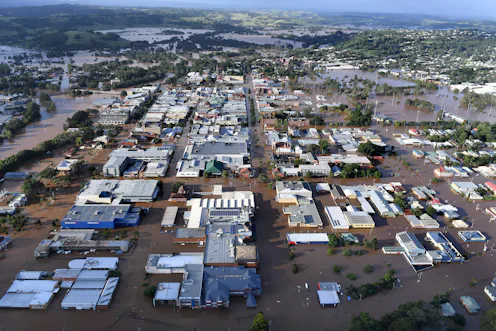
The record floods of 1954 and 1974 still stand as Lismore’s high-water marks. But Tropical Cyclone Debbie delivered her deluge far more abruptly than the rains that triggered those historic floods.
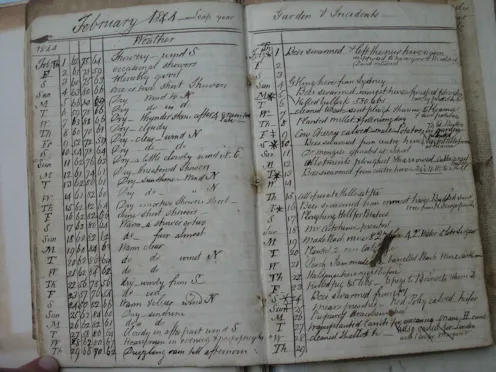
High-quality climate records only go back to the start of the 20th century. But using handwritten letters, journals and tables, researchers have access to data going back to the 18th century.
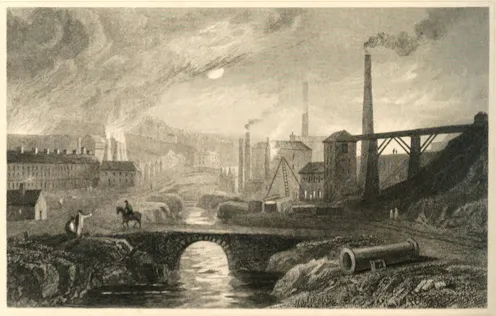
The first signs that humans were warming the climate appeared much earlier in the northern hemisphere - way back in the 1830s. But now the trend is emerging all over the globe.
Contact Joëlle for
- General
- Media request
- Speaking request
- Consulting / Advising
- Research collaboration
- Research supervision
- Website
- Article Feed
- ORCID
- Joined
