

When we see shearwaters washed up dead on beaches, we might think strong winds or a failed migration are to blame. That’s not the case – it’s hotter oceans
- Lecturer in Ornithology, Charles Sturt University

A bird might look and act outwardly healthy – but on the inside, ingested plastics are slowly wreaking havoc.

The thing that makes hooded blankets comfy and unnaturally soft is also what makes them bad for the environment and our health.
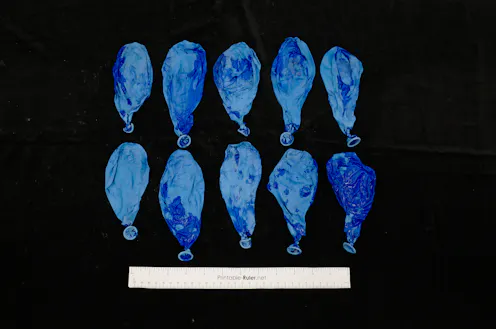
Since 1989, the balloon industry has relied on a problematic study that claimed balloons degraded “at about the same rate as oak tree leaves” after six weeks. We put it to the test.
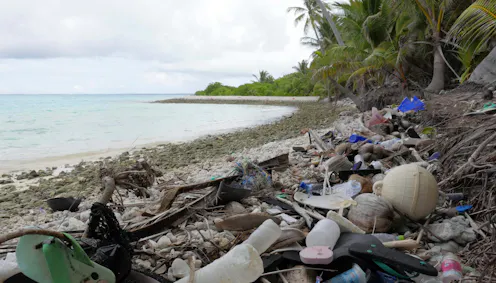
The entire Cocos (Keeling) Island group is a little more than twice the size of the Melbourne CBD. So it’s hard to envision 414 million debris items washed up there.
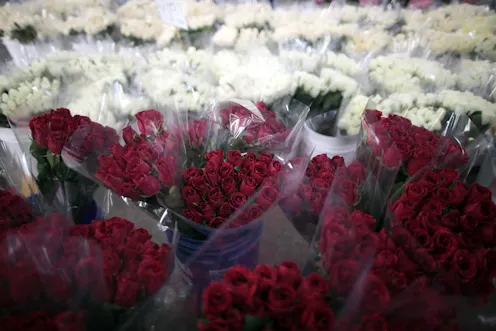
Australians import millions of flowers for Valentine’s Day. Let’s consider some ways to be eco-friendly.

Every festival in Australia sends countless bits of glitter down the drain (and into the ocean). But you can still shine on – in bio-glitter.
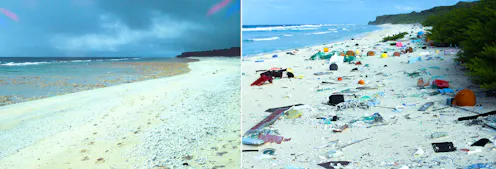
After making worldwide headlines with the story of the Pacific “garbage island”, researchers were sent a photo of the same beach, white sand free of litter, as recently as 1992.
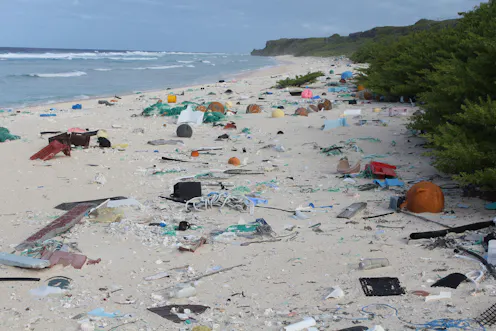
Plastics pose a major threat to seabirds and other animals, and most don’t ever break down - they just break up. Every piece of petrochemical-derived plastic ever made still exists on the planet.
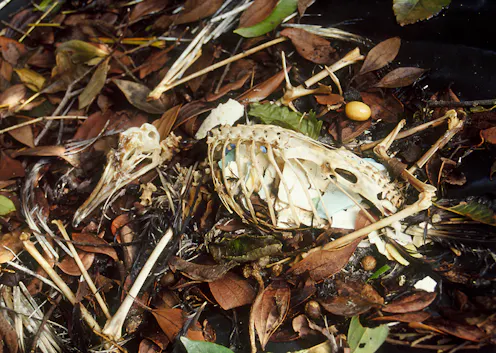
Seabirds: the poster children for ocean health. Fishers use them to identify fishing hot spots. Environmental and marine scientists use them as indicators of the condition of the ocean environment due…
Contact Jennifer for
- General
- Media request
- Speaking request
- Consulting / Advising
- Research collaboration
- Research supervision
- Location: Tasmania
- Website
- BlueSky: @adriftlab
- Facebook: Adrift Lab
- Article Feed
- ORCID
- Joined
