
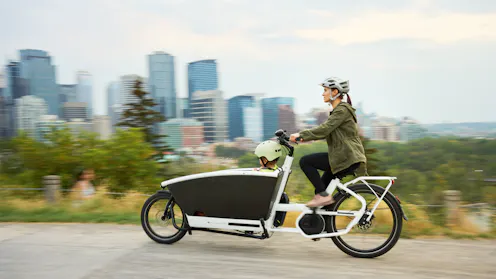
An e-bike is a good start. But training, guided rides and social connection give people the confidence to keep using them.
- Associate Professor in Urban and Regional Planning, University of Sydney

The death toll on Australian roads in July was almost a third higher than the five-year average. The 12-month toll was the highest since 2012. A lower speed limit will save lives.
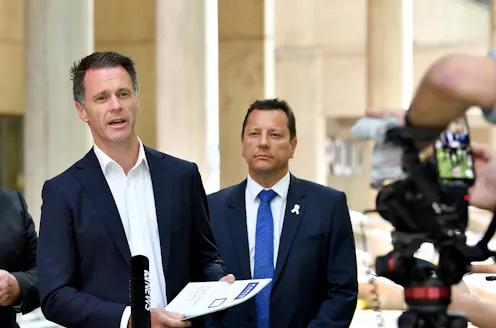
The centralisation of planning power is exactly what Sydney doesn’t need. While not perfect, the commission broke the mould of top-down, siloed planning and broadened the focus across the whole city.
A systematic review of thousands of studies around the world has found many aspects of our cities affect loneliness. But people’s relationship with their environment is complex and highly individual.

Many Australians are dog owners but feelings run high over the issue of allowing dogs on public transport. Despite polarised opinions, experience overseas shows how concerns can be managed.
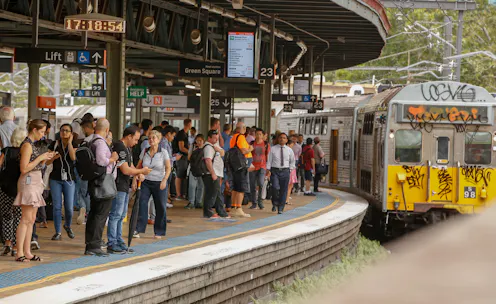
Many people don’t realise high-income earners are the biggest users of public transport in Australian cities, but it’s still low-income earners who are most vulnerable to service disruptions.
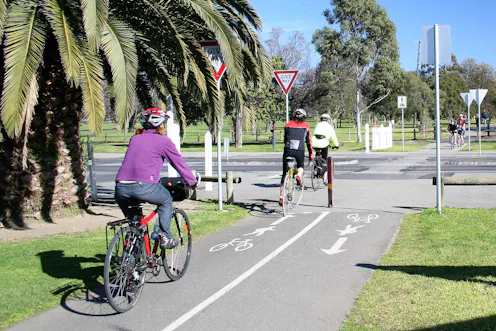
Planners understand the key elements of urban communities that will improve residents’ health and well-being. They also need to be able to convince others to create such communities.

I live where I want to live and I work where the work is. I don’t understand people that go “this is where I’ll work [and] this is where I’ll buy a house” because it might not be the area they want to…

The arrival of autonomous vehicles would ideally reduce the number of cars on our roads. But this is a pipe dream without a robust public transport system and willingness to share.

Car sharing is an important component of any transition towards a more sustainable transport system, but the practice has had some teething issues in Australia.

The connections between city planning and health are many and varied, but getting health objectives integrated into all aspects of planning in New South Wales has been a long struggle.

Australian cities generally don’t allow pet dogs on public transport. Instead, owners need their own vehicle to travel with their dogs, and it’s a surprisingly important factor in our car dependency.
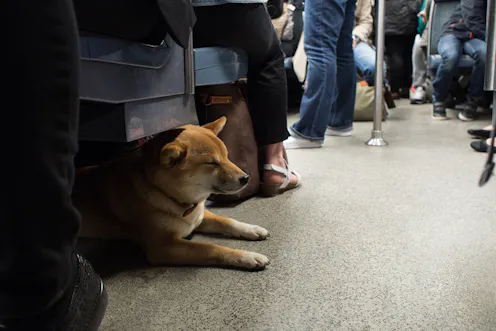
Why does Australia, a nation of pet lovers, not allow pets on public transport or guarantee tenants the right to keep a pet?
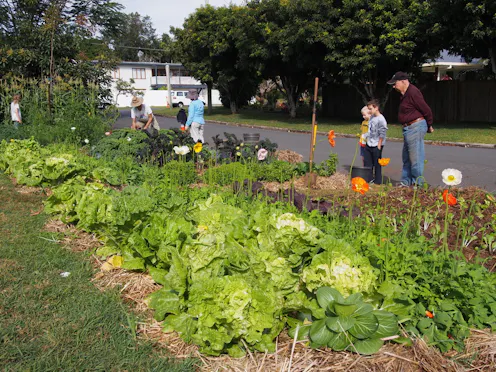
Urban residents are increasingly keen to farm verges, parks, rooftops and backyards, but planning rules sometimes stand in the way.

About 84% of cranes in Australia are used on residential sites, with commercial projects making up 5% of crane activity. Health, education, infrastructure and recreation projects make up the rest.

The health impacts of urban and regional planning are undisputed. So why did the NSW government adopt and then discard health objectives as part of state planning legislation?
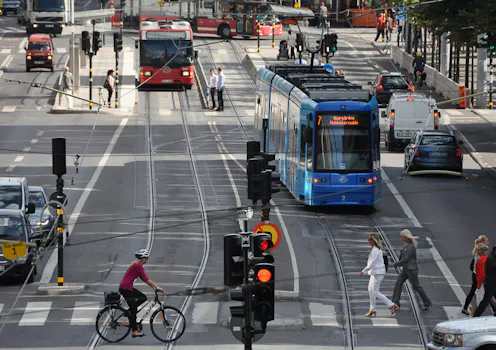
Transport infrastructure projects are conceived, planned and assessed in a way that makes it difficult to properly consider their major public health impacts.

Urban planning aims to create cities that support healthy and productive communities, and the success in putting health on the NSW planning agenda offers lessons in achieving better integrated policy.

In cities across the country, the promotion of higher residential densities in certain areas has become an orthodox part of urban planning. Consolidation, as opposed to sprawl, is seen as a way to accommodate…

Owning a car can be a hassle, especially if you live somewhere where driving is an occasional, rather than daily, necessity. This might help to explain why car-sharing schemes are going from strength to…
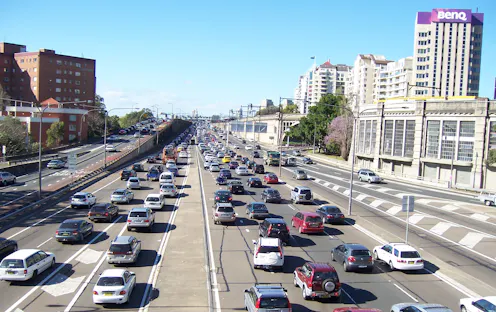
“The people that actually pay the most are higher income people, with an increase in fuel excise… The poorest people either don’t have cars or actually don’t drive very far in many cases.” – Treasurer…

Cars are still the favoured mode of transport in Australia, despite their known environmental and health impacts. We know that alternatives exist — walking, riding, and public transport — that can get…
Contact Jennifer for
- General
- Media request
- Speaking request
- Consulting / Advising
- Research collaboration
- Research supervision
- Location: Sydney, Australia
- Website
- LinkedIn: jennifer-kent-942072172
- Article Feed
- ORCID
- Joined
