
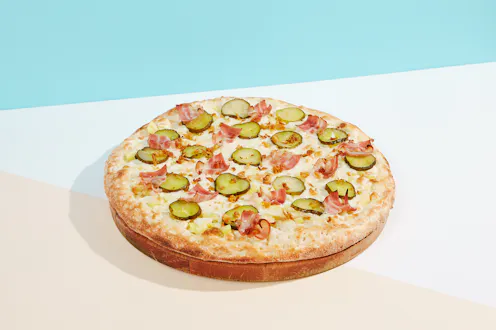
The pickle-obsessed can now order a pickle pizza with a side of pickle potato chips, wash it down with a pickle beer and have pickle ice cream for dessert.
- Associate Professor of Hospitality Management, Colorado State University
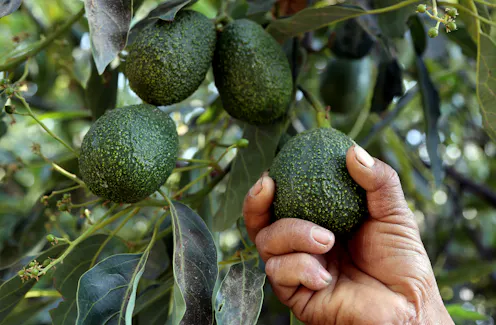
The brief 2022 US ban on avocado imports from Mexico underscored the risks of being so heavily reliant on a product that comes from one region in one country.
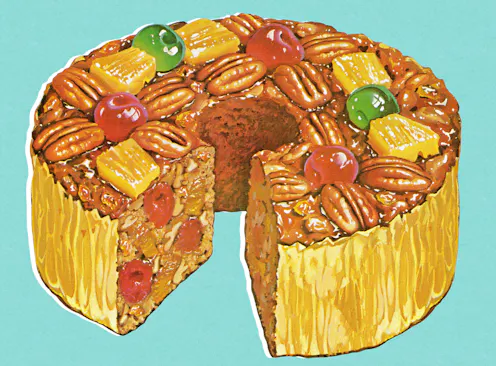
The polarizing dessert that people love to hate became a Christmas mainstay thanks, in part, to the U.S. Postal Service.
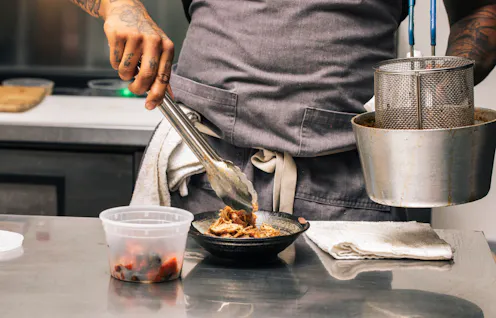
The COVID-19 pandemic accelerated their spread.
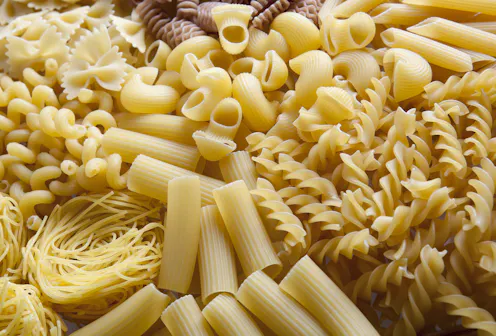
Cascatelli, the world’s newest pasta shape, is shaped like a waterfall and designed to hold a generous quantity of sauce.
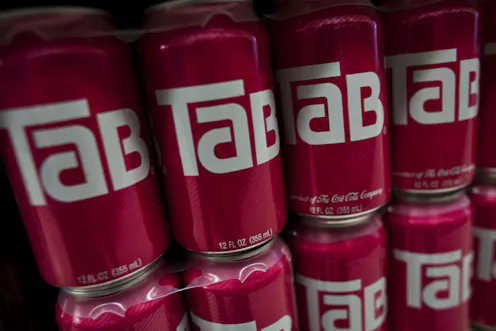
Tab was Coca-Cola’s first foray into the diet soda market. Though the brand went on to build and maintain a legion of devoted fans, its days are numbered.
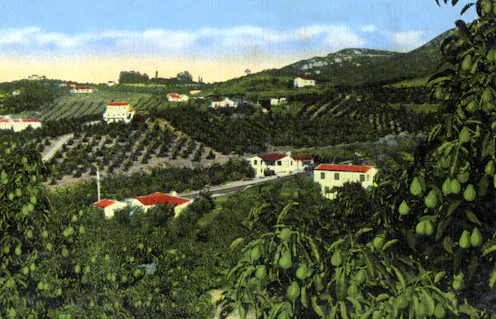
Te damos un breve paseo por la historia del aguacate, que en diferentes ocasiones pudo extinguirse y no llegar a nuestra mesa.
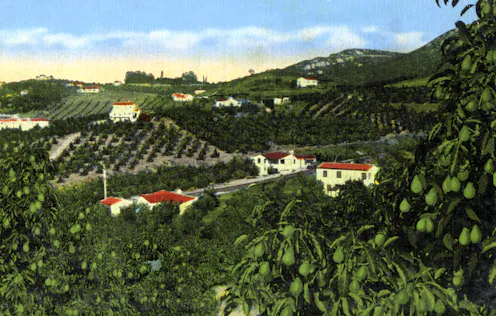
If it weren’t for historical and biological happenstance, few would be eating avocados today.
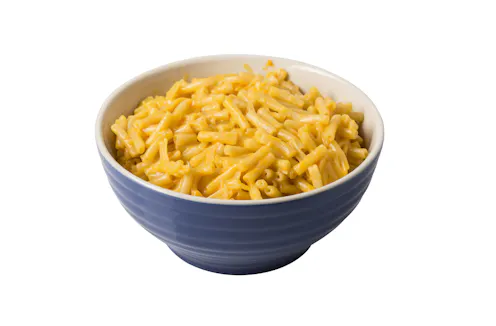
A food historian explains how the popular boxed dinner played an important role in kitchen science, wars and women’s liberation.
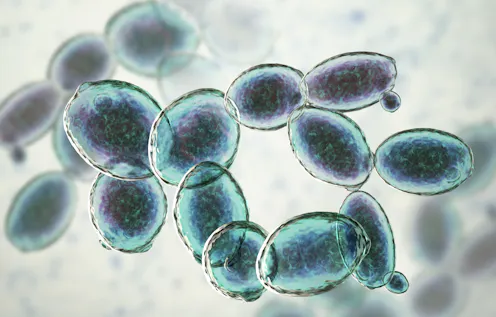
Yeast is a single-celled organism that’s everywhere around us. Understanding how yeast works can help you make better bread and appreciate this old friend of humanity.
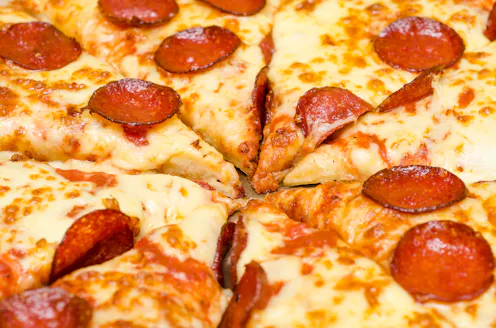
Pizza might seem like a simple food, but it’s uniquely equipped to excite our brains and thrill our taste buds.
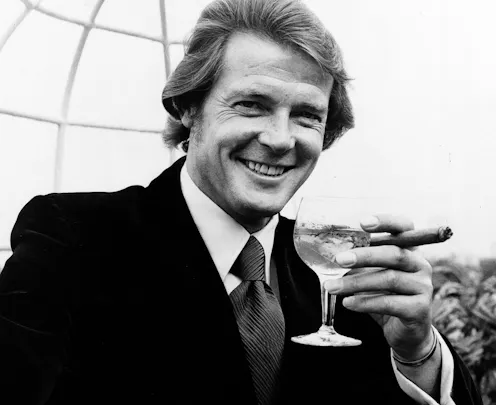
To celebrate National Vodka Day, a food historian debunks myths and highlights unknown facts about one of America’s favorite liquors.
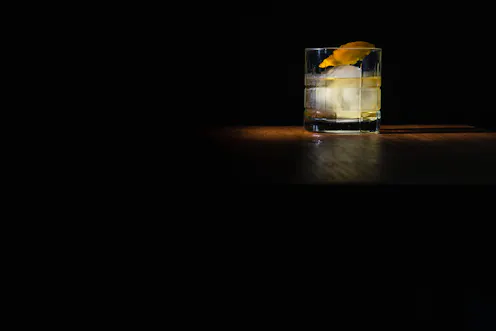
En 1919 se prohibieron las bebidas alcohólicas en EEUU y nació un mercado negro de alcohol casero. Para mejorar el sabor de este licor ilícito, se mezclaba con ingredientes dulces, creando el cóctel.
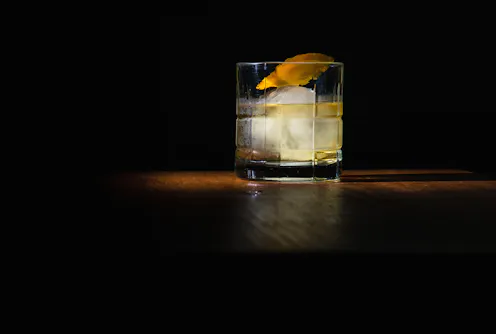
Something needed to be done to mask the taste of bootleg alcohol that could include ingredients ranging from dead rats to wood tar.
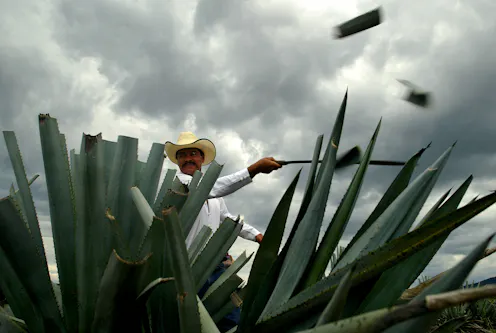
Is a shot of tequila actually good for you? What’s the deal with the worm? Who was margarita, anyway? A food historian explores some little-known aspects of the popular Mexican spirit.
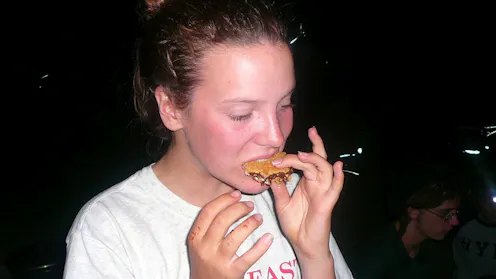
The gooey treat couldn’t have become popularized without the technological advances of the Industrial Revolution, which brought cheap sweets to the masses.
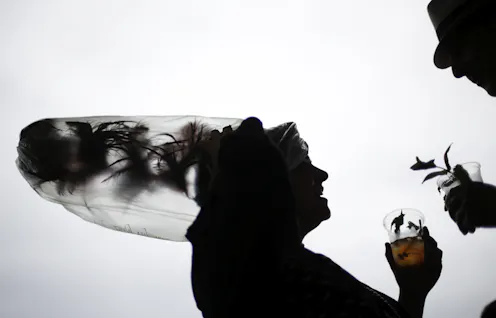
‘Take a silver cup – always a silver cup’ and ‘fill it with ice pulverized to the fineness of snow,’ a Kentucky man explained in 1908.
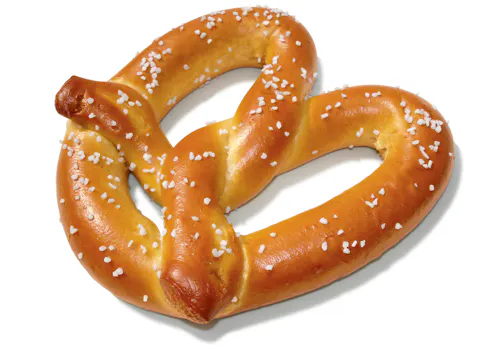
Why are they shiny? And how did Pennsylvania become the pretzel capital of the world?
Contact Jeffrey for
- General
- Media request
- Speaking request
- Consulting / Advising
- Research collaboration
- Research supervision
- Location: Fort Collins, Colorado, U.S.
- Article Feed
- Joined
