

Convention suggests wars are named after the participants or the place it which fighting takes place. But who chooses − and why?
- Associate Professor, Department of Peace, Human Rights & Cultural Relations, American University School of International Service

Avant Israël à Gaza, les responsables américains ont, au fil de l’histoire, eu recours à diverses stratégies rhétoriques pour se dédouaner des atrocités commises par les dirigeants et pays qu’ils ont soutenus.
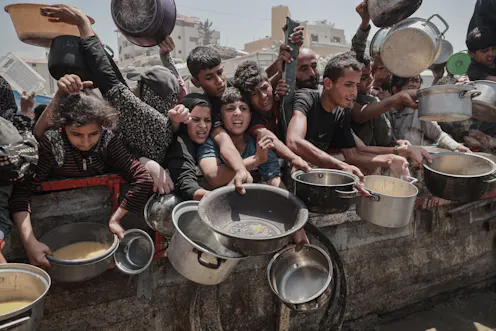
Los funcionarios estadounidenses han utilizado una serie de estrategias retóricas para eludir la responsabilidad por las atrocidades cometidas por aquellos a quienes apoya.
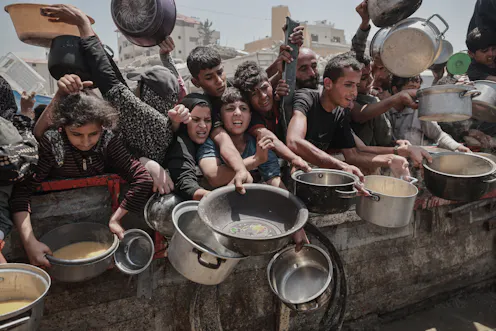
As autoridades norte-americanas usaram várias estratégias retóricas para distanciar o país e evitar a responsabilidade pelas atrocidades cometidas por aqueles que ele apoia.
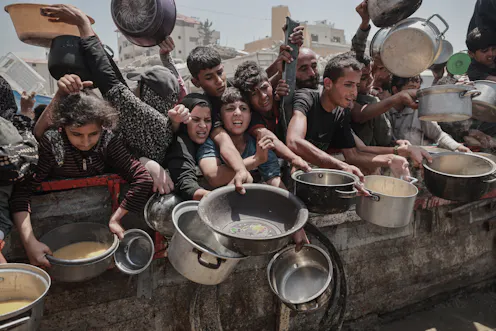
US officials have used a number of rhetorical strategies – ways of talking about something – to distance the country from, and avoid responsibility for, atrocities committed by those it supports.
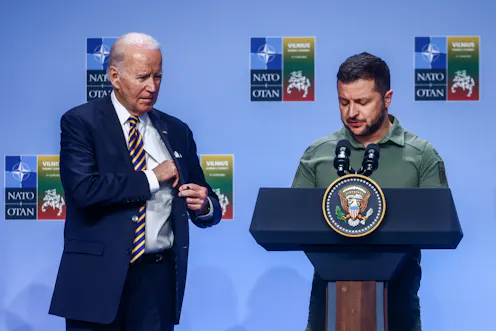
An analysis of over 1,000 headlines shows key differences in how US media portray the aggressors and victims in the two conflicts.

The US has supported a Saudi-led military coalition that has inflicted profound and deadly damage on Yemen. A Senate vote could end what a human rights scholar says is US complicity in genocide.

The Obama and Trump administrations have supported a military coalition that has inflicted profound and deadly damage on Yemen. A human rights scholar says the US is complicit in genocide.
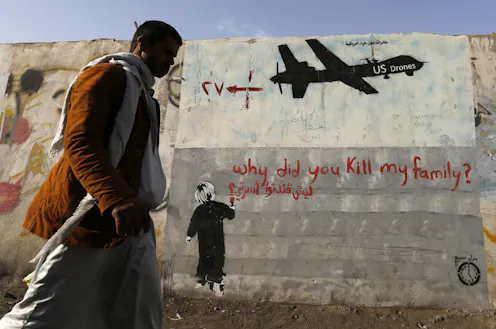
Is it enough for the nation’s best newspapers to rely on ‘official sources’ – even when independent investigators say they’re wrong?

On November 24, two weeks before the Senate Intelligence Committee released its “torture report,” Reprieve, a UK-based human rights NGO, published the results of its latest investigation into President…
Contact Jeff for
- General
- Media request
- Speaking request
- Consulting / Advising
- Research collaboration
- Research supervision
- Location: Washington, D.C., U.S.
- Website
- X (formerly Twitter): @jeff_bachman
- Article Feed
- ORCID
- Joined

