

AI can work for you while you sleep. But if your chatbot or AI agent gets it wrong, you could be the one who pays the price.
- Professor of Law (consumer protections and credit law), The University of Melbourne
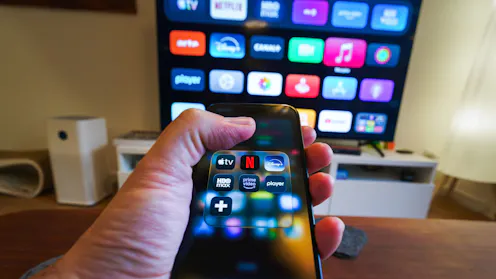
A legal expert explains the allegations against Amazon Australia and US – and why the new case is already making global headlines.

Showing one product, but pairing it with the price of a different product, is common on online shopping sites. It’s not just wasting your time: it can be illegal.
This court decision will have huge ripple effects right across Australian retail – and petrol retailers in particular should be on notice.
These cases will set the rules for what ‘truth in advertising’ means in Australia – and how closely buyers will need to beware discount price claims.
More than 8 million customers could have a stake in this upcoming court case. The clock is now ticking for them to decide if they want to be involved, or opt out.
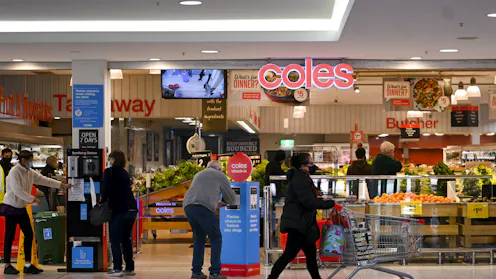
The Federal Court will have to decide whether Coles’ ‘Down Down’ discounts were genuine, or crossed a line into misleading conduct.
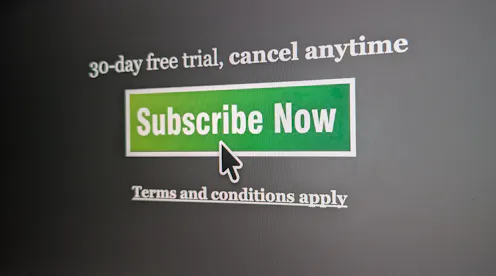
Many subscription services offer easy sign ups, with a few clicks and your credit card. Proposed new laws could soon make sure it’s just as easy to cancel.

The consumer watchdog has warned retailers it will be on the lookout for a range of misleading sales tactics, from fake countdown clocks to hard-to-read fine print.
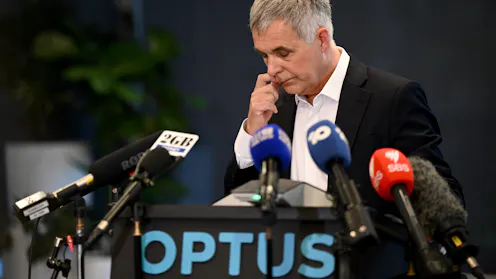
Optus said the conduct was ‘totally and utterly unacceptable’. But Australians now need more than ‘sincere apologies’ – we need hard data and real-time supervision.
The need to better protect consumers was raised years ago in the banking royal commission. So why does it feel like we are back here again?
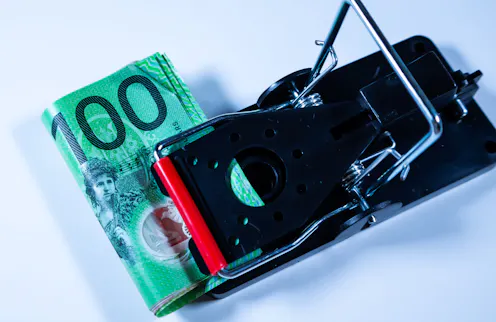
It might be time to go back to a simpler approach, when one set of rules applied to all consumer credit products.
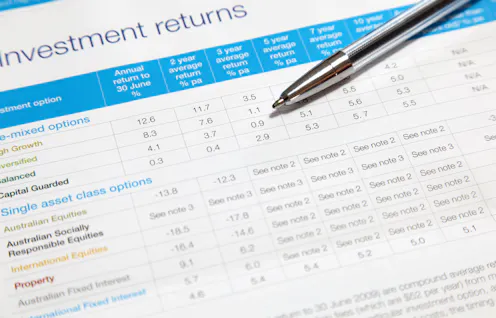
Financial institutions are meant to have reliable payment systems in place. But more work needs to be done to ensure they do this.

There’s no specific ban on adding fees to an advertised price before checkout – also known as drip pricing. But the practice can fall foul of laws that prohibit misleading conduct.

Principles could centre on helping members manage their money in retirement, ensuring fairness across the system, and requiring funds to maintain an active duty of care to members.

There’s a push for reforms to make banks more responsible for detecting, deterring and responding to scams, rather than just asking consumers to be ‘more careful’.

Class actions are a growing trend in the ways consumers access justice. That’s important, as many avenues for consumer protection are too difficult for individuals to pursue.
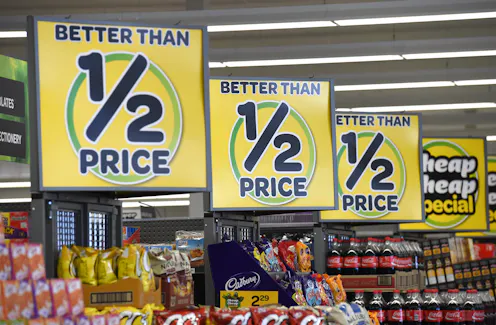
Woolworths and Coles face potentially massive fines if they are found guilty of misleading shoppers over the price of hundreds of products.

Deepfake scams are on the rise – but can their victims claim compensation? The legal landscape is still developing.

Claims regarding on these apps’ effectiveness are often based on less than robust findings.

The pandemic has driven the rapid uptake of programs that use artificial intelligence to monitor students sitting exams remotely. New research highlights the need for caution in its use.
To deter Google and other big tech companies from misleading users about data collection, the Federal Court should impose heavy fines.
It’ll be up to the borrower, not the lender to determine whether what’s offered is suitable under changes to be detailed in the budget.

It’s no wonder corporate wrongdoing occurs when the profits from wrongdoing outweigh the costs of being caught and punished.
Suddenly, ASIC is about to have real power. It’ll be easier to get prosecutions and they will hurt, even if the law remains less than completely clear.
Contact Jeannie for
- General
- Media request
- Speaking request
- Consulting / Advising
- Research collaboration
- Research supervision
