
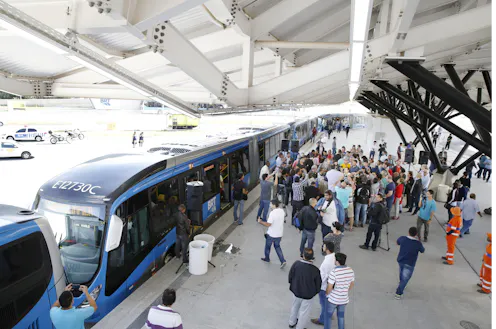
Bus rapid transit is more than a way to get thousands of people to the game. Used in cities globally as an alternative to light rail, it can be a cost-effective way to transform cities for the better.
- Professor of Human Geography and Planning, University of Tasmania
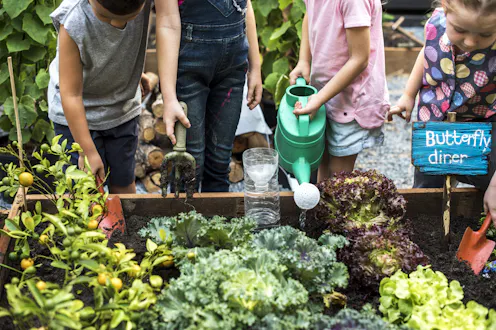
In the absence of national leadership, local communities are forging new responses to the climate crisis in places where they live, work and play. These three examples show how.
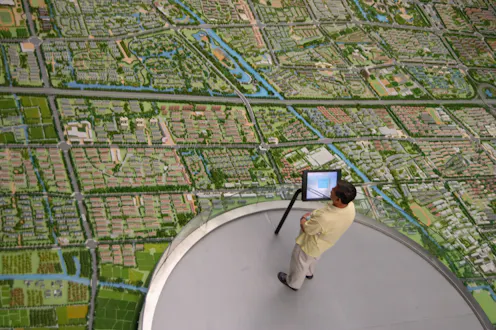
The pandemic has accelerated some urban trends and reversed others, while focusing attention on the vulnerabilities of cities. The old planning certainties will have to be revisited.
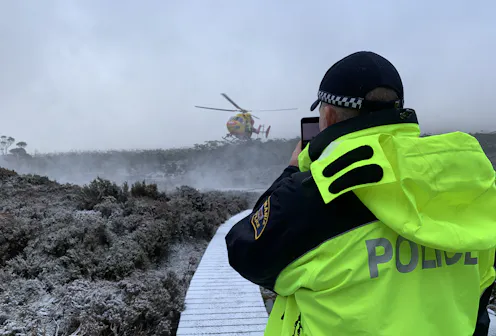
In 2019, 44 bushwalkers had to be rescued in Tasmania. New research identified who tends to take the most risks, and how to be better prepared for your next hike.
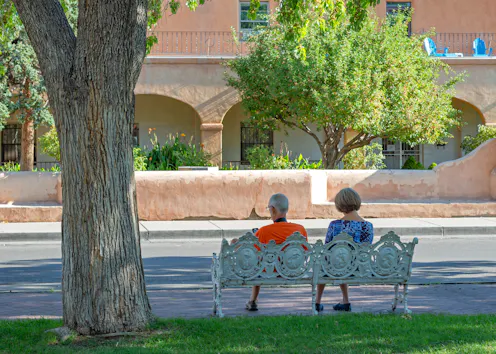
Two trends in Australia, an ageing population and warming climate, are increasing the threat that heatwaves pose to our health. Increasing vegetation cover is one way every city can reduce the risk.
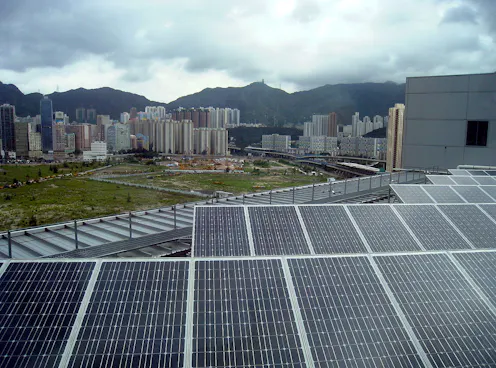
Big solar has a potentially bright future in cities, but we need to get the planning right first.
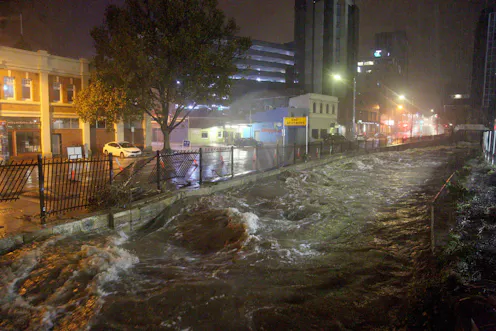
Managing flood risk is not just ‘good planning’; it requires commitment to resilient cities by land developers, politicians and communities. Effective response means learning from mistakes.
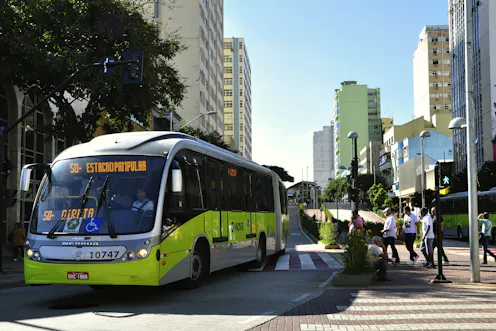
Trains and trams get most attention, but ‘tweaking’ bus transit can transform cities. Buses can be more cost-effective and deliver better service, especially for small to mid-sized cities.
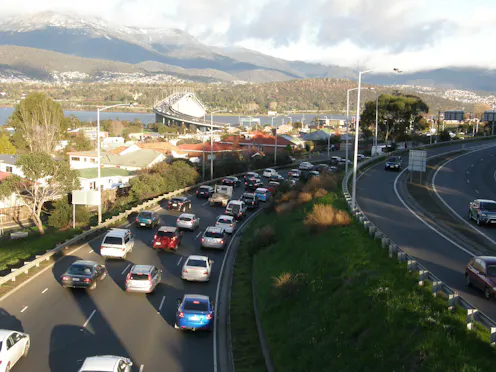
Hobart is a smaller city with big city problems that have become an election issue. Recent growth is creating traffic congestion that affects productivity, residents’ health and liveability.

Given the challenges Australian cities face, the need for urban planning based on solid research is greater than ever. Sadly, when it comes to research funding, planning is at the back of the queue.

Adaptively re-using buildings can preserve heritage while enabling new uses that help make cities more liveable and sustainable.
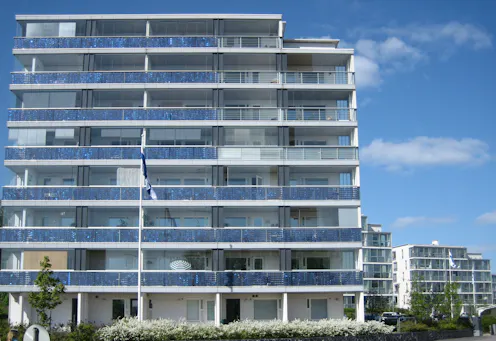
Not everyone can afford to pay for solar panels up front, but local planners can help disadvantaged households overcome energy poverty in several ways.
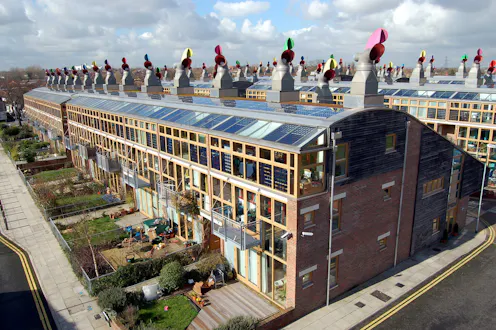
Traditional urban planning is being stretched by the pace at which renewable energy systems are being installed. New codes and guidelines are needed to manage emerging conflicts over land use.
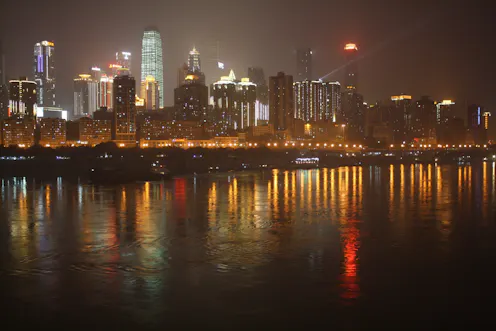
Research shows planners and built environment professionals have surprisingly poor knowledge about how cities might harm mental health. The good news is that simple steps can make a big difference.
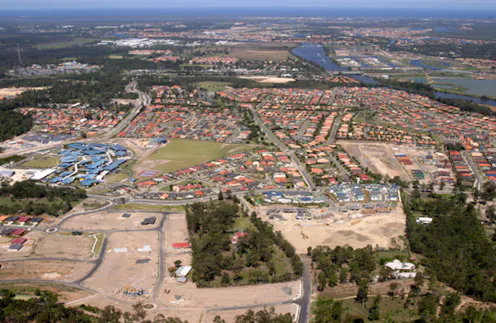
Recently published research has found that the concentration of poorer people in hotter places is a real problem for cities’ capacity to cope with climate change.
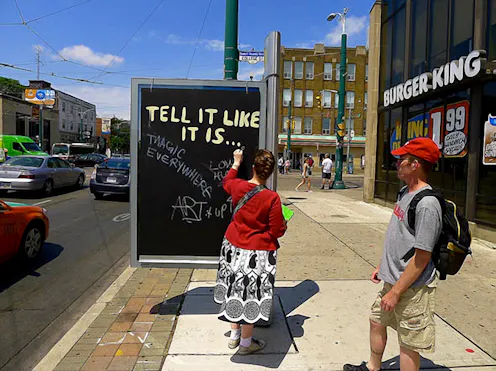
In Australia, a small but growing cadre of residents is experimenting with hacktivism in planning. Giving a voice to real people living in everyday places can help ensure planning meets public needs.
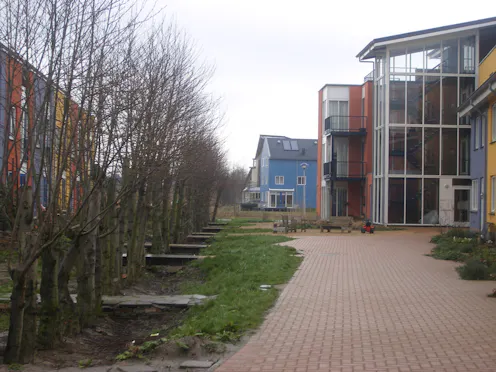
Green infrastructure can be delivered relatively easily using existing planning processes. The main obstacle could be psychological: planners are wary of disruption to embedded practices.
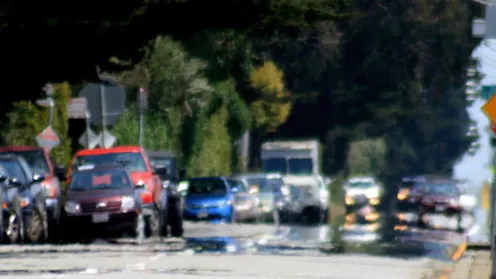
It seems like a ‘no brainer’ to use urban greening to help cities adapt to increasing heat, but the uptake of green infrastructure, such as trees and vegetated roofs, surfaces and walls, is slow. Why?
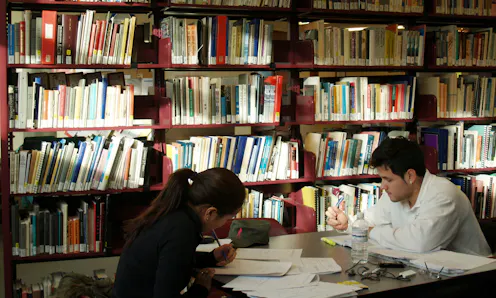
UNDERSTANDING RESEARCH: What do we actually mean by research and how does it help inform our understanding of things? With so much research already published it can be a daunting task for any new researcher…
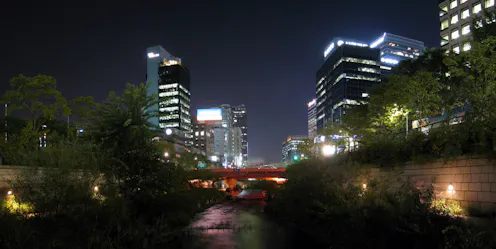
Your local park is likely playing a vital role in your city’s health, and probably your own too. Parks and other “green spaces” help keep cities cool, and as places of recreation, can help with health…

Fitness “boot camps” are becoming an increasingly common feature within Australian parks. Typically, a personal trainer will charge a modest fee to instruct a small group that gathers in a public park…
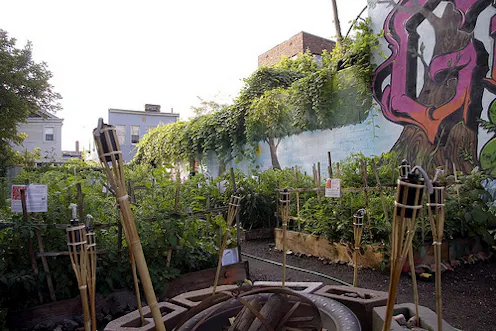
Food safety, availability and affordability are now global issues. Rapid urbanisation has increased demand for food in cities, where most people now live. Growing demand for food has been met by growth…
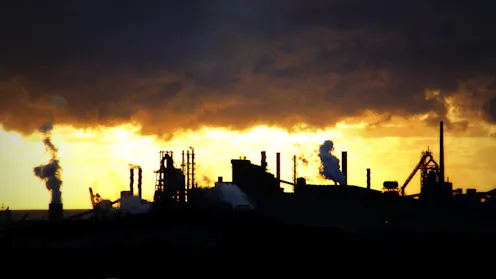
Ever heard of “environmental justice”? No? It links social and environmental discrimination. Still doesn’t sound familiar? Well if you’ve seen the movie Erin Brockovich - which examines how a single mother…
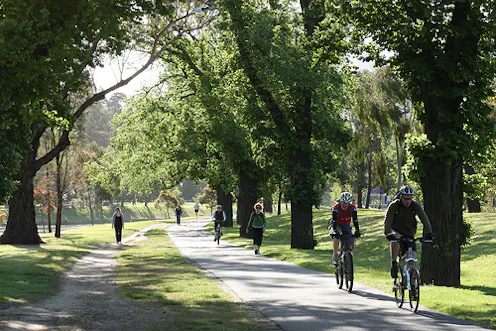
Recent patterns of residential development in Australian cities are threatening to overwhelm green space in our urban cores. Policies of urban consolidation have concentrated medium to high density residential…
Contact Jason for
- General
- Media request
- Speaking request
- Consulting / Advising
- Research collaboration
- Research supervision
- Location: Hobart, Australia
- Website
- X (formerly Twitter): @CityByrne
- Article Feed
- ORCID
- Joined
