

It’s unclear what raising the tipped minimum wage or getting rid of it altogether does to labor markets.
- Associate Professor of Sociology and Director of the Labor Center, UMass Amherst
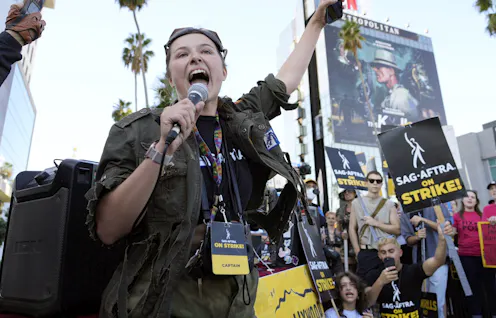
Two labor scholars argue that the balance of power between workers and employers, which has been tilted toward employers for nearly a half-century, is beginning to shift.
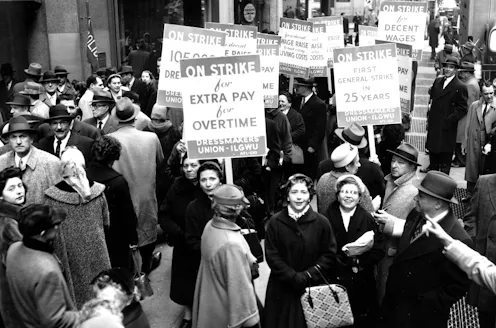
Many of the reasons for strikes now – low compensation, technological change, job insecurity and safety concerns – mirror the motives that workers had for walking off the job in decades past.
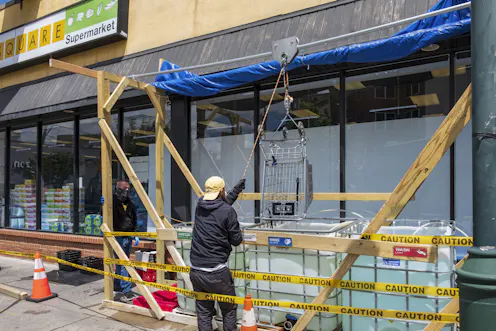
Stress and physical conditions make essential work unsafe, especially for Black and Latino employees.
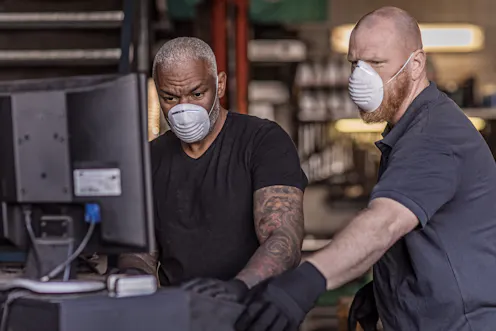
Low-wage workers are less likely than high-wage workers to have access to things like masks, hand sanitizer and training on how to prevent COVID-19 transmission.
Contact Jasmine for
- General
- Media request
- Speaking request
- Consulting / Advising
- Research collaboration
- Research supervision
- Location: Amherst, Massachusetts, U.S.
- Website
- Article Feed
- ORCID
- Joined
