
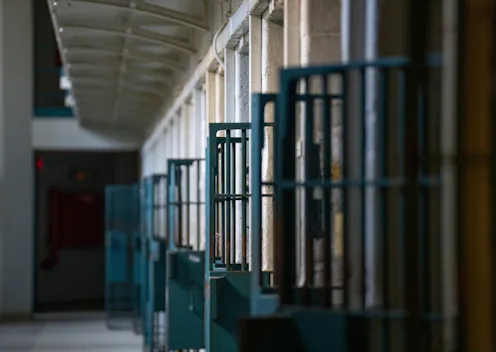
With a series of high-profile cases in the news, parole is back in the spotlight. Let’s unpack some of the most common misconceptions about what parole really means.
- Lecturer, RMIT University

Testing workers for drug and alcohol use can reduce injuries but is less effective than a comprehensive approach to improving staff health.

Victoria has just announced a new sobering-up centre, bringing it in line with other states. Here’s a look at what goes on inside them.

Criticism has been levelled at Netflix’s drama series about the serial killer Jeffrey Dahmer, including from his victim’s families, who say they were never approached about the show’s release.
‘No body, no parole’ laws may at first appear to be in the public interest. But there’s a lack of evidence they work and a risk they may disproportionately penalise the wrongfully convicted.
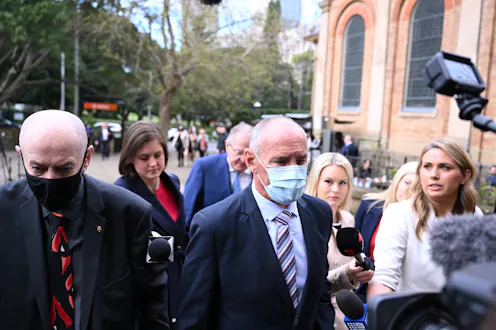
While Dawson’s conviction may seem like a win for investigative journalism, it remains unclear if true crime entertainment can regularly play a tangible role in achieving justice.

We might think we know a lot about drug and alcohol treatment, as it’s so often depicted on the silver screen. But there’s a lot film and TV get wrong.

Does the success of this single issue minor party mean that Australians are finally ready to ‘legalise it’?

Here’s what the Australian Federal Police’s new campaign gets wrong.

Preventing drink spiking is a collective responsibility, not something to be shouldered by potential victims.
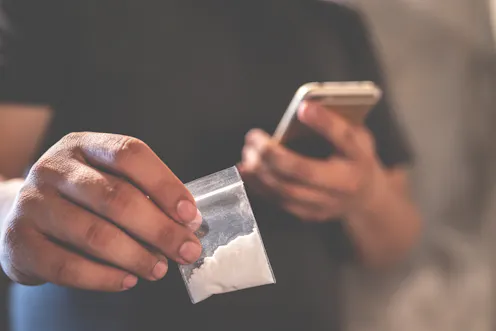
Decriminalisation of illicit drugs is the natural conclusion to decades of research on drug-related harms.

It’s important for those who engage in BDSM to be aware of the distinction between harmless kink and violence. But it’s also important for BDSM not to be considered a de facto abusive practice.
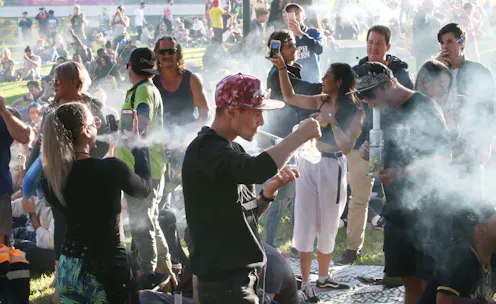
New research shows Australians are becoming more open to less punitive responses to drug use.
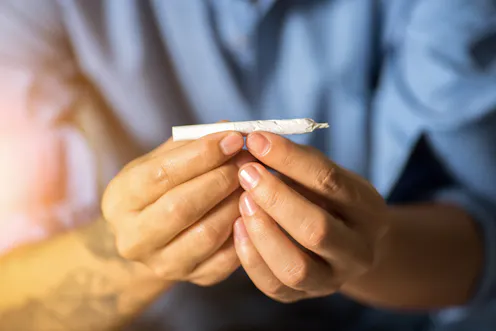
People who use illicit drugs are at increased risk during the coronavirus pandemic. But minimising that risk will improve their well-being and help avoid additional pressure on the health system.

We asked three legal experts - in Victoria, NSW and Queensland - to help shed some light on what the coronavirus rules might mean for residents of those states.
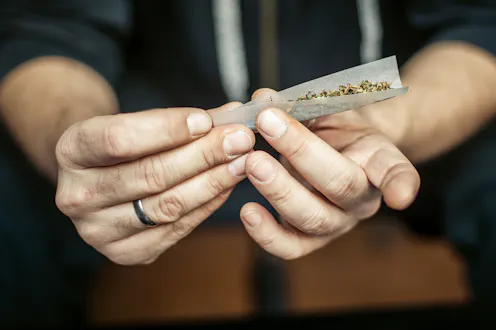
The ACT legislation conflicts with federal laws, which still prohibit the possession of cannabis. It’s unclear how police will respond and whether users could still be charged.

Few teens use MDMA and scare tactics, like those we’ve seen recently, are unlikely to reduce existing drug use further.

What will the new legislation mean for cannabis users in the ACT? And will other jurisdictions follow?

Most people assume drugs are illegal because they are dangerous, but the reasons aren’t related to their relative risk or harm.
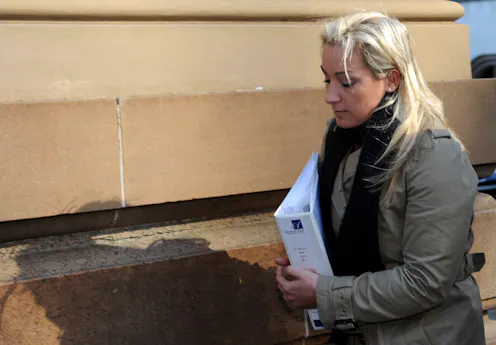
An investigation by RMIT researchers shows that police failed to disclose 2,000 recordings of Keli Lane to defence attorneys. Failure to disclose evidence is a common issue in criminal cases.

Some drug and alcohol programs
currently used in prisons have little evidence to support them.

Australian laws are less progressive than the Australian public’s attitude to cannabis in term of decriminalisation, access to medicinal marijuana, and to some extent, full legislation.
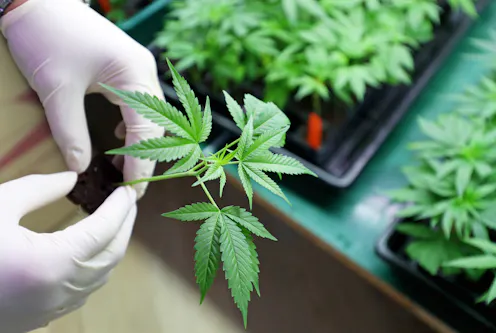
There are health risks associated with cannabis use, but there’s no evidence use will increase if it’s legalised.

How Australian courts might interpret consent in situations like this is far from clear, and needs to be sorted out.
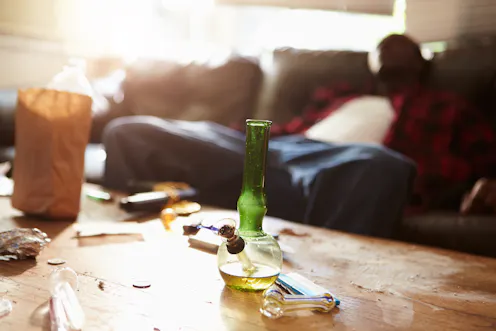
Are addicts sick and helpless victims with little control over their own behaviour, or brazen criminals who deserve to be punished accordingly?
Contact Jarryd for
- General
- Media request
- Speaking request
- Consulting / Advising
- Research collaboration
- Research supervision
