
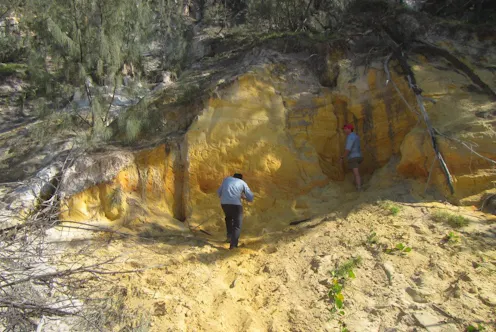
Until now, a limitation of records of past fires is that these have come from sediments laid down in lakes and bogs. Records for dryland regions have been lacking, but dune deposits can fill the gap.
- Adjunct Professor, University of Queensland, and Professor and Head of School of Earth and Environment, University of Canterbury
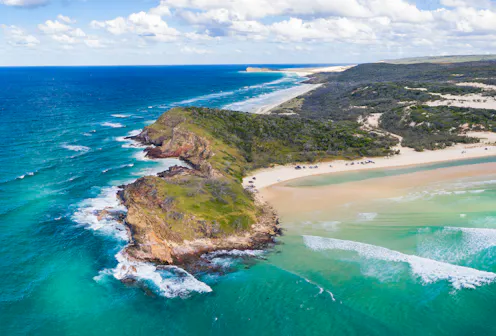
Establishing the age of K'gari (Fraser Island) confirms it emerged before the reef, despite the climate being suitable for coral growth long before then.
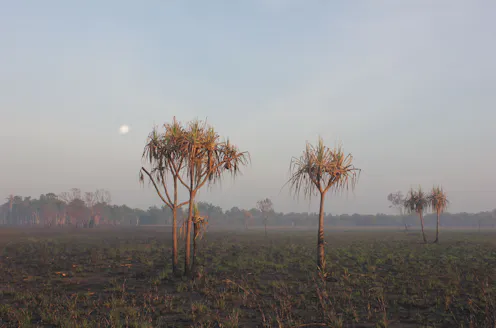
Tiny nutshell fragments, found at a rock shelter in the Kakadu region, have helped researchers track past climate change in the region.
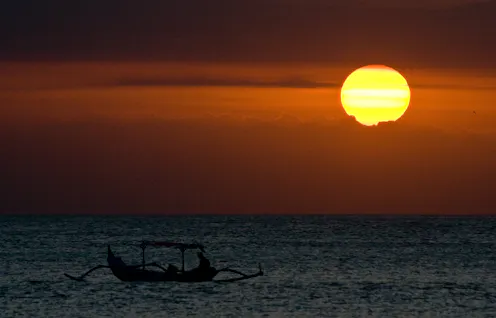
Absolute temperatures are expected to rise more slowly in the tropics than in higher latitudes and polar regions, but the combination of heat and rising humidity will make life more challenging.
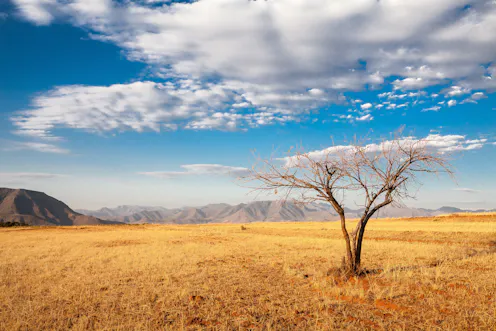
Konsentrasi karbon dioksida global di atmosfer mencapai 400 ppm sekitar 4 juta tahun lalu. Rata-rata, Bumi lebih hangat 3°C. Namun, bagian utara, lebih hangat 14°C daripada saat ini.
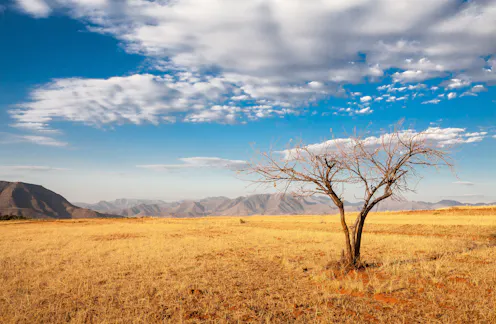
The last time global carbon dioxide levels were around 400ppm was four million years ago. On average, the world was 3°C warmer, but in high northern latitudes, it was up to 14°C warmer than today.
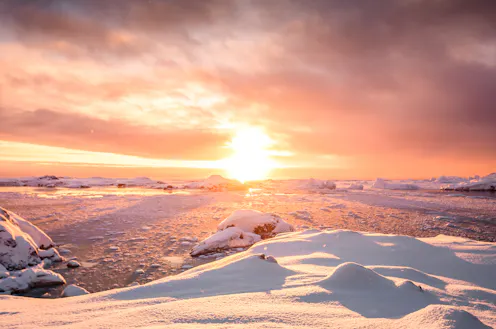
Perhaps 2°C doesn’t sound like much, but if you look through history, 2°C temperature changes have had huge effects on the planet and people.
Contact James for
- General
- Media request
- Speaking request
- Consulting / Advising
- Research collaboration
- Research supervision
- Location: Christchurch, New Zealand
- X (formerly Twitter): @jamesshul1
- Article Feed
- ORCID
- Joined
