
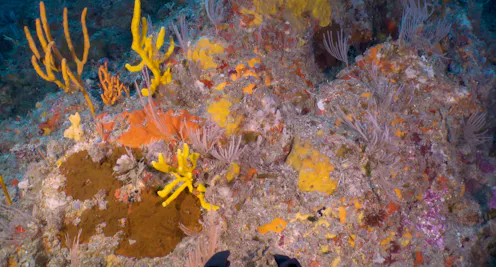
A new study challenges a common assumption that deeper marine ecosystems act as refuges which could reseed damaged shallower reef systems.
- Professor of Marine Biology, Te Herenga Waka — Victoria University of Wellington
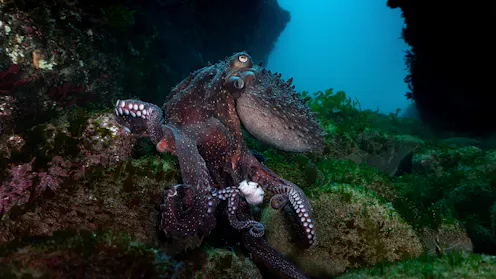
Sewage spills are often seen as short-term public health crises. But the ecological impacts can be lasting, especially if combined with marine heatwaves and storms.
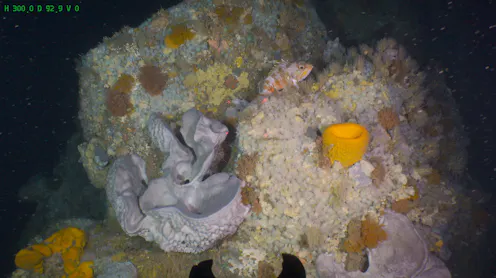
We still know very little about the ecology of mesophotic ecosystems, but they support long-lived protected species that form an essential part of the food web.
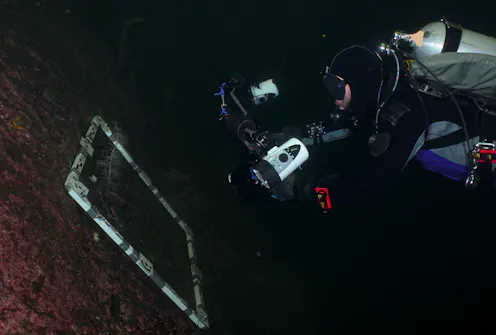
Photogrammetry, a technique where 3D information is extracted from photographs, is reducing the guesswork in counting – and understanding – the world below the ocean surface.
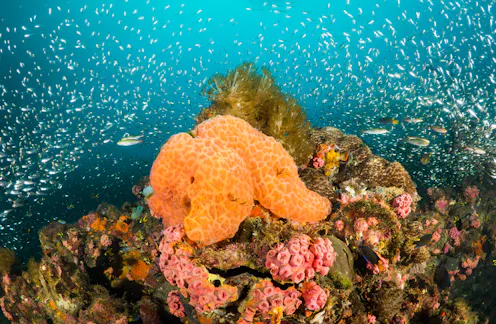
New research has unravelled the mystery of why sea sponges die when the water gets too warm. The cause of death appears to be the sudden loss of microbes that usually act to detoxify sponge tissue.
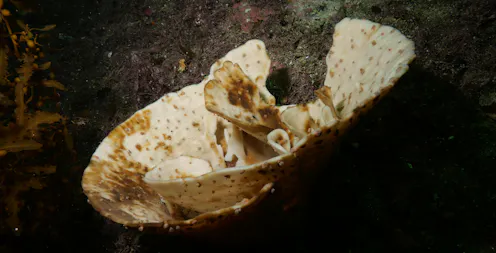
New Zealand may see more sponge bleaching as the northern coastlines are already experiencing almost continuous marine heatwave conditions, expected to extend into the coming summer.
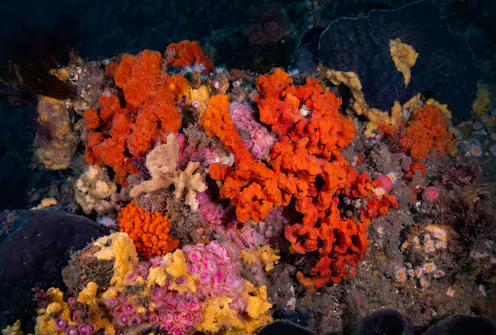
You may not have heard of ‘temperate mesophotic ecosystems’, but science is beginning to understand the vital role these ocean zones play – and the need to protect them.

Sponges are ancient marine animals and have already shown robustness against stresses from climate change. New research now shows they can also tolerate low-oxygen conditions.
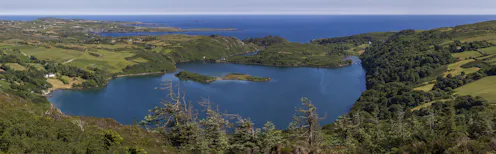
In Lough Hyne’s shallows, animals and plants thrive that would otherwise be found in the ocean’s depths.
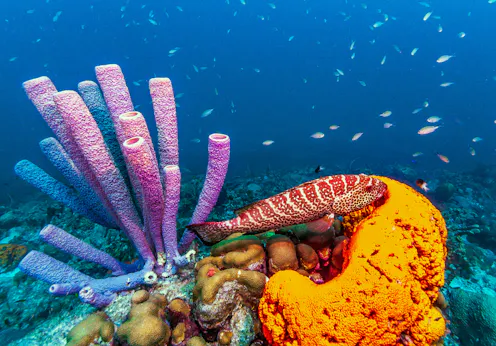
Marine sponges are ancient organisms that have survived mass extinctions. Many are more tolerant of climate change and may dominate over corals in future reef systems.
Contact James for
- General
- Media request
- Speaking request
- Consulting / Advising
- Research collaboration
- Research supervision
- Website
- Article Feed
- ORCID
- Joined
