
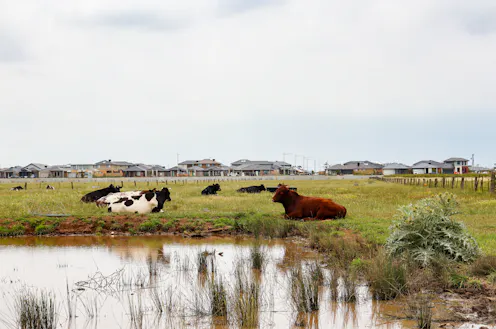
Having a small backyard in outer suburban developments doesn’t make up for everything else that’s missing in these new neighbourhoods.
- Senior Lecturer in Urbanism, University of Sydney
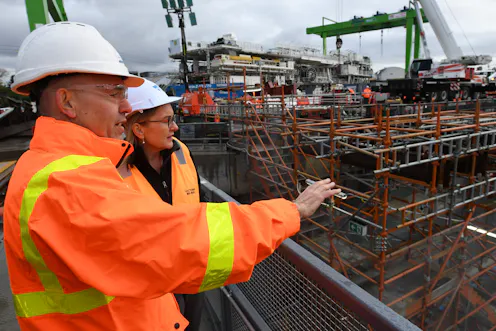
States across Australia are increasingly using market-led proposals to build infrastructure. The emerging problems reflect the inherent risks of projects that bypass proper public planning processes.
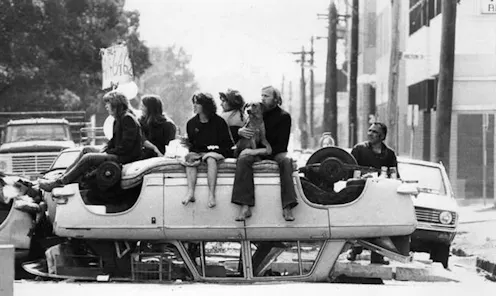
Public protests eventually forced the scrapping of some proposed freeways in 1973. Today, we have another round of projects and people are protesting again, with good reason. Government should listen.
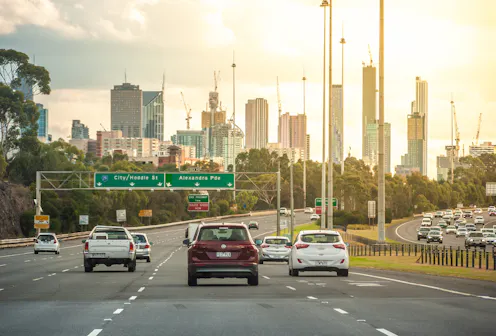
While called a transportation plan,
it was heavily skewed towards roads. We need the type of city-shaping thinking that underpinned the plan, but today’s plans must match 21st-century priorities.
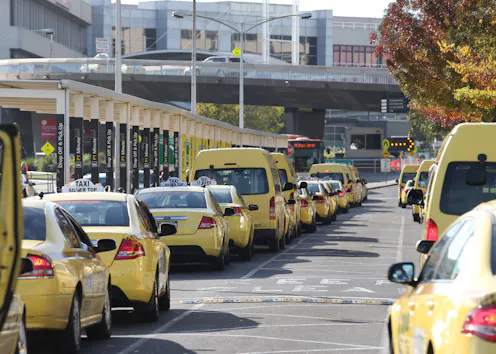
Good public access for Melbourne Airport and others like it depends on not fixating on one solution, like a single rail line, but instead developing multiple options integrated with the city’s needs.

Recent decisions to proceed with major road projects have not considered viable alternatives, despite this being a legal requirement.
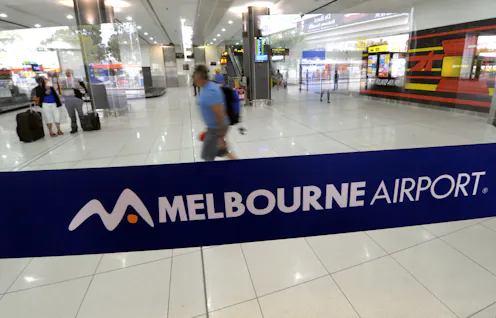
A rail link is a big step towards transforming transport access and land use in ways that will enable a much bigger city to remain liveable. And Melbourne can learn from Sydney about this.
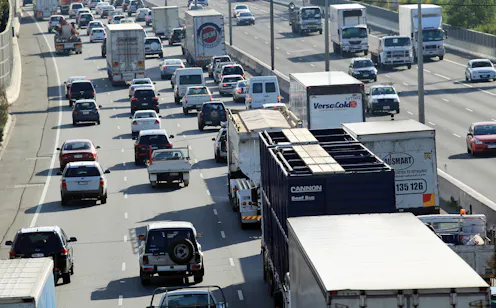
Most enlightened governments have realised the focus on private cars at the expense of active and public transport is not viable.
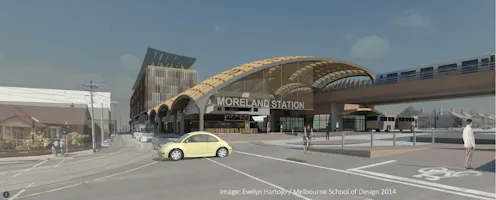
Elevated rail to remove level crossings, done properly, has many benefits – and the alternatives are more disruptive and costly. But announcing projects with little consultation is asking for trouble.
Contact Ian for
- Media request
- Speaking request
- Consulting / Advising
- Research collaboration
- Research supervision
- Location: Sydney, Australia
- Article Feed
-
- Joined
