

If Mary Shelley wrote the book today, Victor would surely be a synthetic biologist. But those fiddling with living things in 2018 have hopefully learned from her cautionary tale.
- Doctoral Student in Biochemistry, University of Washington
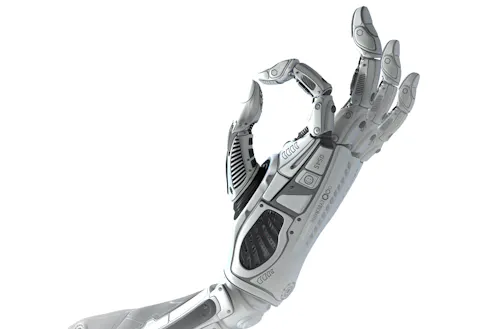
Researchers use an algorithm designed to help robots move to figure out what’s possible when designing new molecules in a promising class of pharmaceuticals.
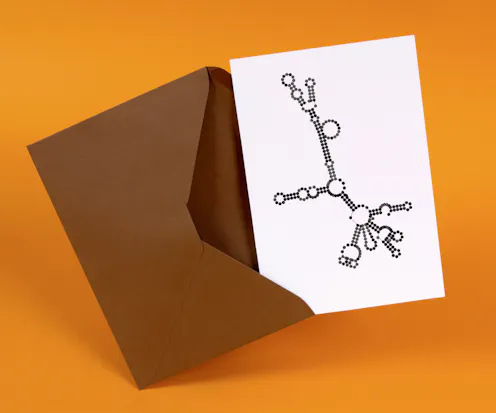
One big challenge for gene therapies is delivering DNA or RNA safely to cells inside patients’ bodies. New nanoparticles could be an improvement over the current standard – repurposed viruses.
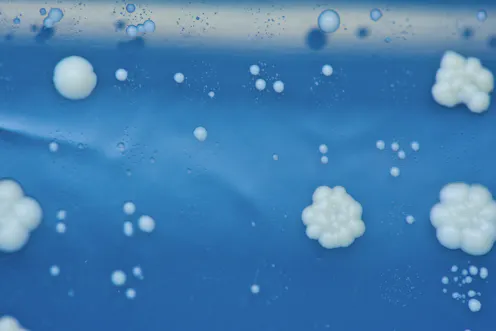
By exploiting the way yeast cells mate, researchers have figured out a quicker, easier way to identify on- and off-target drug interactions.
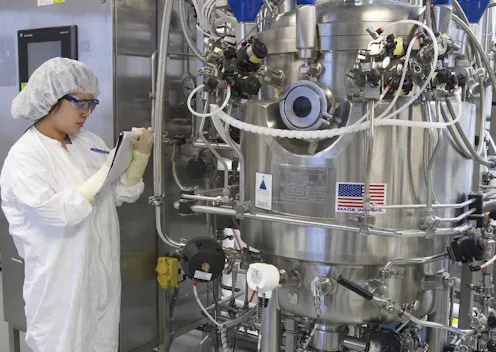
Rather than being designed by chemists, this class of pharmaceuticals is produced by living cells. Here’s where they come from and how they work.
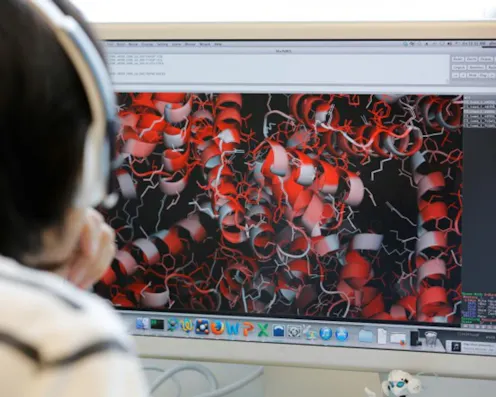
This antivirus software protects health, not computers. Researchers are beginning to combat deadly infections using computer-generated antiviral proteins – a valuable tool to fight a future pandemic.
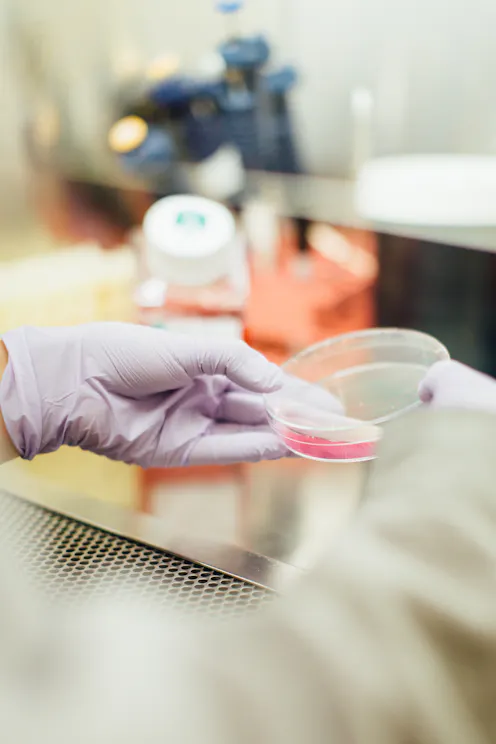
The latest tools in synthetic biology are allowing scientists to reprogram the immune system. Many studies on immunotherapy will be presented at the world’s largest cancer meeting, which starts Friday.
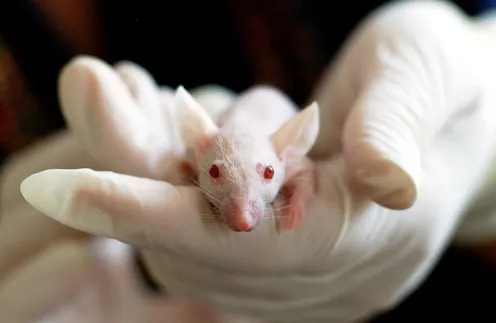
A new research paper reports dangerous side effects in CRISPR-edited mice. Some scientists are pushing back, placing blame for the unwanted mutations on the experiment, not the technique.
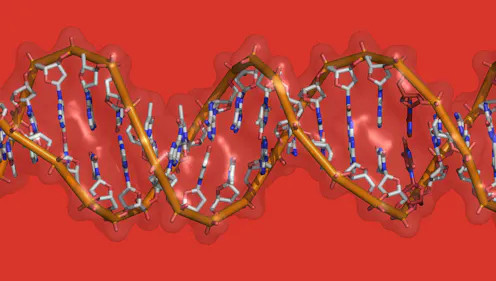
Researchers are starting to harness the potential of this much-hyped gene editing technique – with coming applications in medicine, biology and agriculture.
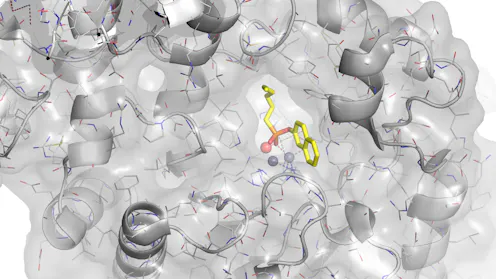
Scientists invented chemical weapons; some are now working to destroy them. New biomolecular design techniques let researchers design proteins that can destroy nerve agents in bodies.
Contact Ian for
- General
- Media request
- Speaking request
- Consulting / Advising
- Research collaboration
- Research supervision
- Location: Seattle, WA, USA
- X (formerly Twitter): @ichaydon
- Article Feed
- ORCID
- Joined
