
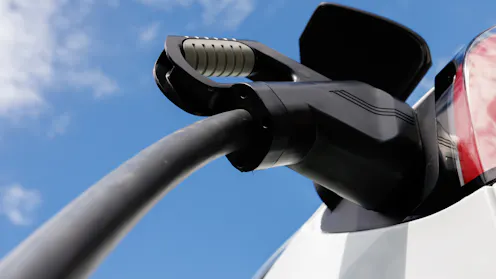
Australia’s EV transition is gathering pace – but fixing gaps in the public charger network will be essential for the shift to continue.
- Professor of Transport Technology and Sustainability, Swinburne University of Technology
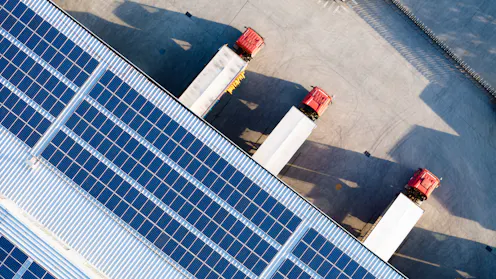
Transport policy used to be about roads, rails and pollution. But this year’s fuel crisis has shown it’s far more than that.
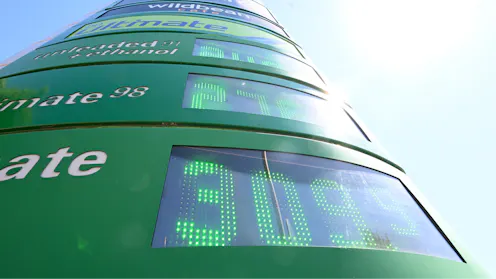
Australia isn’t about to run out of fuel. But disruptions caused by tightening supply are cascading. It’s time to plan to reduce dependence on foreign fuel.
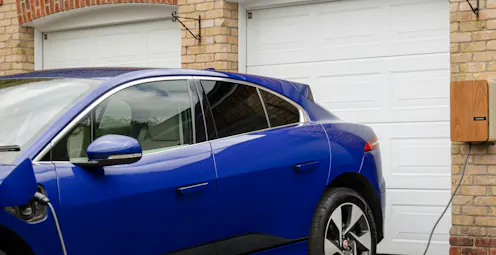
For many drivers, the question is no longer whether an EV could work for them – it is simply a matter of when.
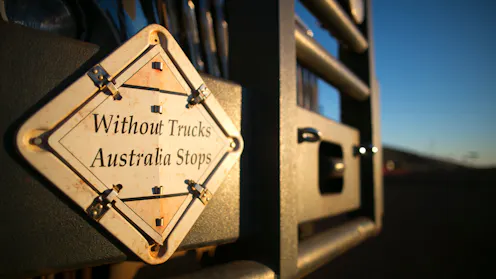
Diesel powers most freight trucks. As oil prices spike, electric trucks are looking more attractive – if upfront cost and charging barriers can be overcome
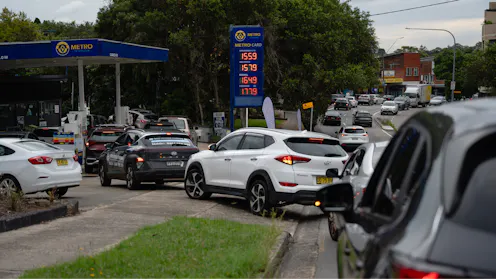
Conflict in the Middle East has led to long petrol queues in Australia. Going electric ends reliance on fuel imports – but will you pay back the EV premium?

Minyak bumi bukanlah komoditas biasa – ia membentuk politik di seluruh dunia.

O petróleo não é uma mercadoria comum – ele molda a geopolítica do mundo. À medida que as tensões internacionais aumentam, dezenas de nações estão acelerando planos para reduzir sua dependência do combustível fóssil e aumentar a segurança energética
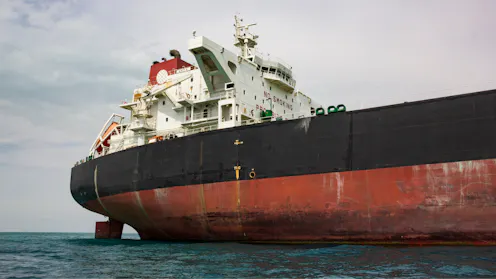
La sortie du pétrole est souvent présentée comme un impératif climatique. Mais les frappes sur l’Iran nous rappellent que c’est également un enjeu sécuritaire de premier ordre.

Oil isn’t a normal commodity – it shapes politics around the world.
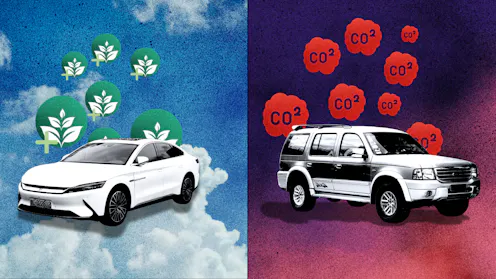
Australia’s new fuel efficiency standards are already working to cut emissions – but the real story is behind the scenes.
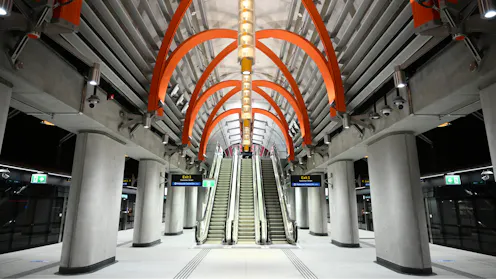
Melbourne’s rail network will feel the improvements immediately, but experience from Sydney and elsewhere shows changes in travel behaviour will take time.
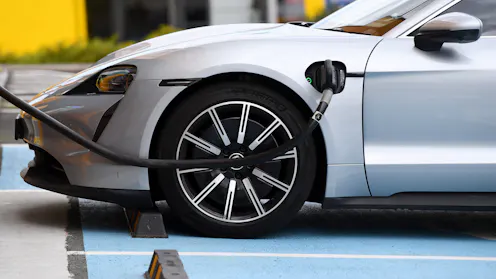
Nearly two-thirds of Australian towns have no public EV charger within 5 km – and that’s just the start of the gap.
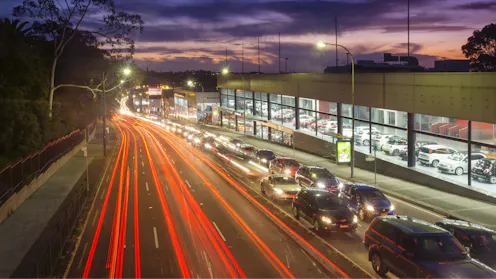
More EVs are appearing on Australian roads. But the pace of change is well short of what’s need to reach emission cut goals.
Unless transport emissions are tackled head-on, Australia’s new climate target cannot be met.
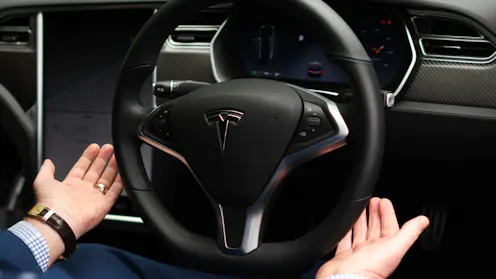
Tesla’s ‘full self-driving’ mode is set to arrive in Australia. But it’s not autonomous – drivers have to pay attention.
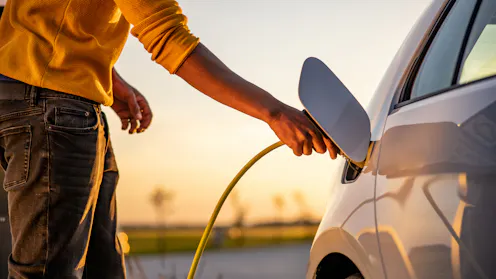
It’s cheaper to charge an EV than fuel a petrol car. But while charging can be dirt cheap, it’s not always the case.

The way we drive in the real world means the estimated range for a new EV isn’t quite accurate.
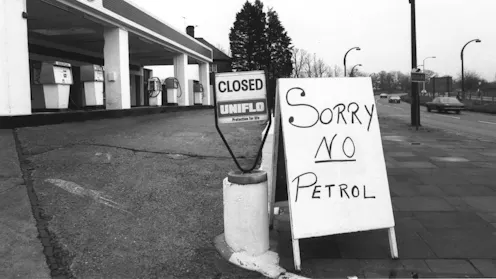
If oil prices rise and stay elevated, consumers will seek better options. Could it accelerate the shift to electric vehicles?
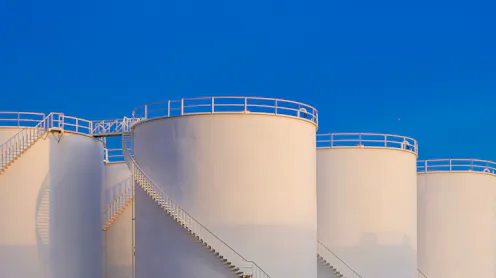
Electric cars charged with locally made electricity can boost Australia’s energy security. That’s great – if we avoid relying on just one EV producing nation.
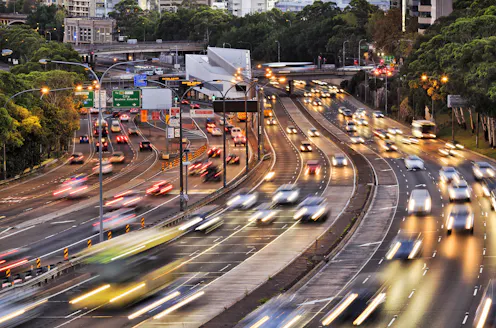
Australia is ready for a rational and transparent discussion about road-user charging on all vehicles, not just electric ones.

Researchers found the stop-start way we drive actually prolongs battery life.
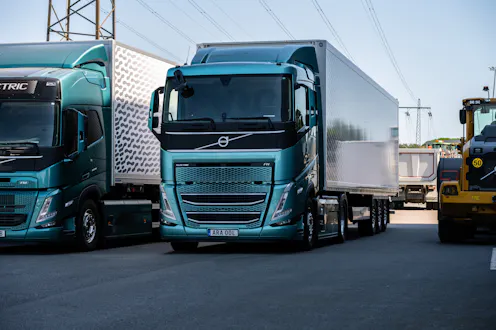
Modelling shows a shift to electric trucks is the better, faster option for cutting transport emissions under most plausible scenarios in Australia’s energy transition.
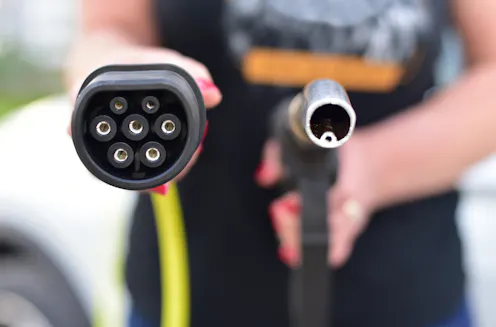
Hybrid vehicles are having a real moment in Australia and overseas. The problem is, they’re not as clean as we think.
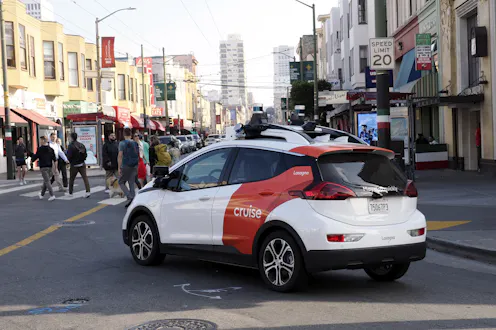
Roughly half of people surveyed support the development of autonomous vehicles. But a third were undecided about many aspects and will need to be convinced about their safety and other benefits.
Contact Hussein for
- General
- Media request
- Speaking request
- Consulting / Advising
- Research collaboration
- Research supervision
