
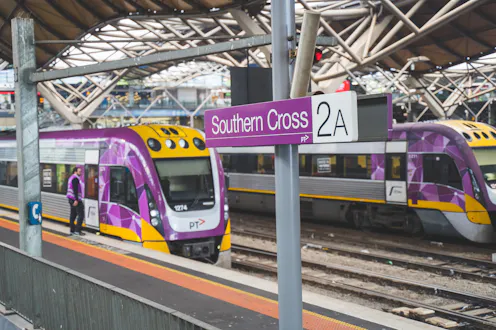
Serious air pollution is a common problem in stations around Australia and the world. But solutions already exist, and some can be applied immediately to protect station staff and commuters.
- Professor of Transport Technology and Sustainability, Swinburne University of Technology
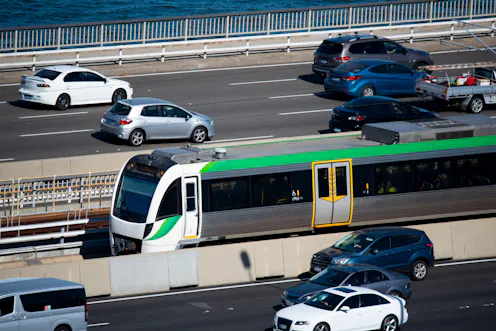
Support for road-user charging strengthens when people are assured that revenue goes into reducing traffic congestion, maintaining transport infrastructure, improving public transport.
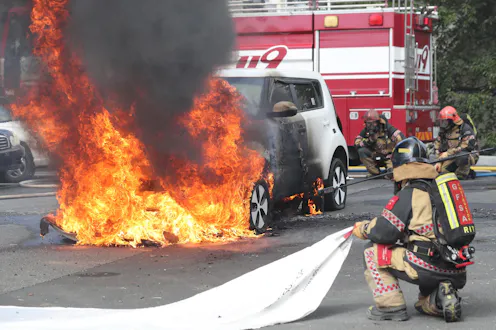
Reports of electric vehicle fires might lead some people to fear the growing numbers of these vehicles will increase fire risk. In fact, replacing petrol and diesel vehicles is likely to reduce it.
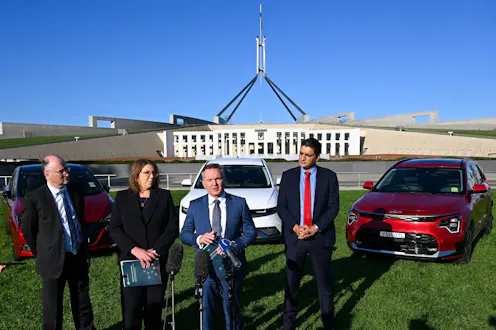
The strategy is long overdue but falls short of meeting the urgent need to accelerate the uptake of electric vehicles.
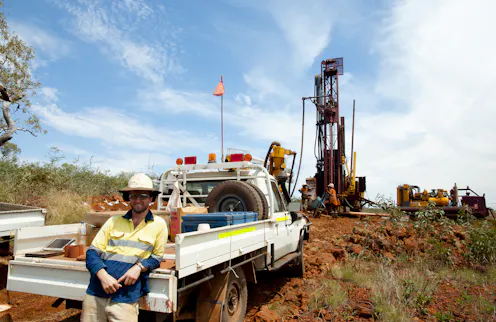
Electric cars are now appearing on Australian roads. But can electric utes meet the more exacting needs of our tradies?
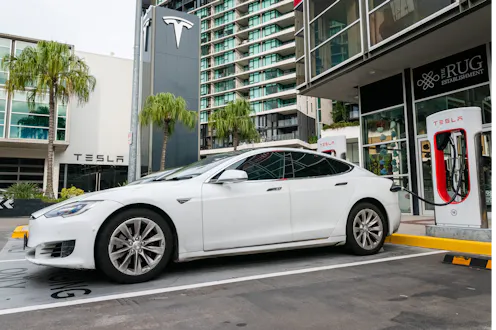
The rest of the nation should follow the ACT’s lead. Incentives to boost the transition to electric vehicles are one of the best ways to tackle Australia’s fastest-growing source of emissions.
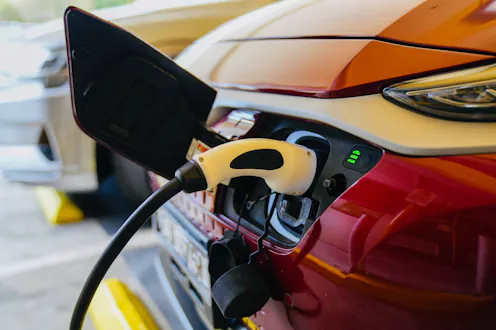
Major new policies are still needed to accelerate the road transport transition. There’s good news, however: Australian motorists have been promised more choice soon.
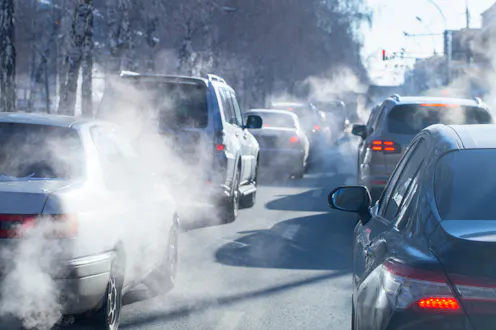
Air pollution from traffic causes the deaths of thousands of Australians. A swift transition to electric vehicles will save lives – and save households and businesses money in the long run.
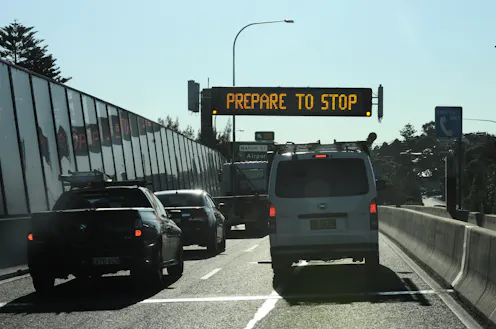
Labor has put fuel efficiency rules on the agenda. But the standards must be stringent and purpose-built for Australia.
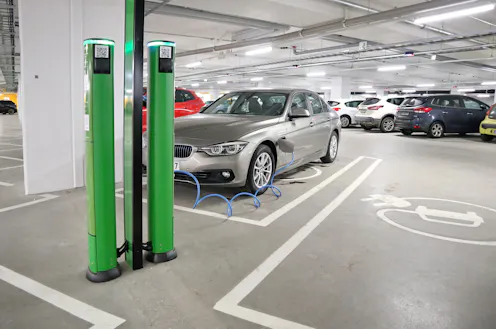
Even if all passenger vehicles sold today were electric, it would take more than ten years for the Australian road fleet to be fully electric.

We need to rapidly reduce global emissions before 2030. Developing hydrogen for low-emissions road transport won’t happen fast enough.
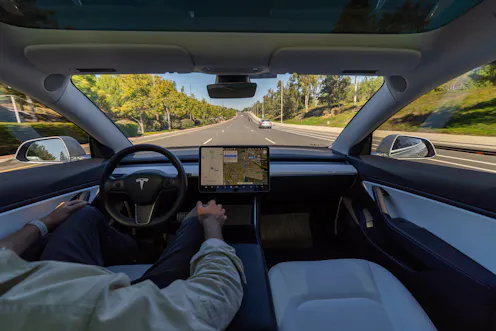
Autonomous vehicles could one day transform urban transport and make roads safer, but some obstacles need to be overcome first.
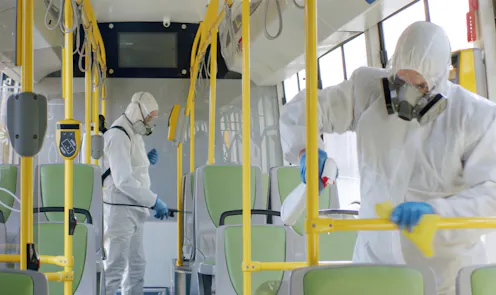
Some new habits we’ve seen emerging during the pandemic could help us solve tricky problems like traffic congestion, which have challenged our cities for a long time.
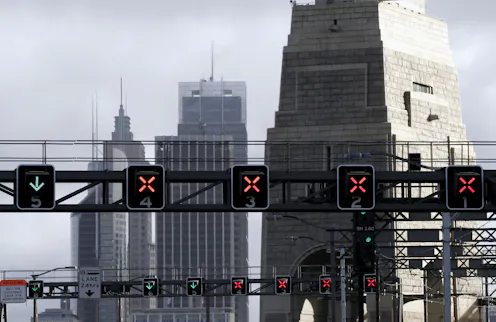
Faced with the eye-watering costs of building infrastructure, it makes sense to turn to much more cost-effective smart technology to get traffic flowing.
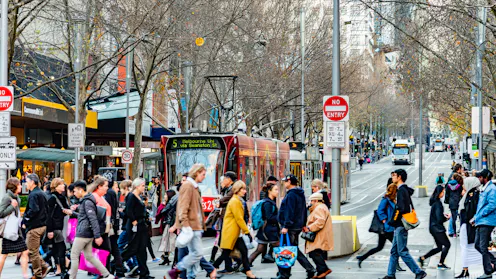
A newly released ten-year plan for Melbourne aims for fewer cars, safer streets and more shared spaces. A significant amount of parking and road space would be reallocated to walking and cycling.
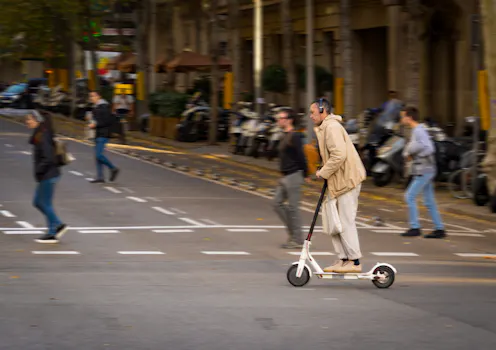
The exploding popularity of e-scooters has the potential to reshape transport in our cities. Regulators need to adapt their approaches to handle the new mobility service rather than ban it altogether.
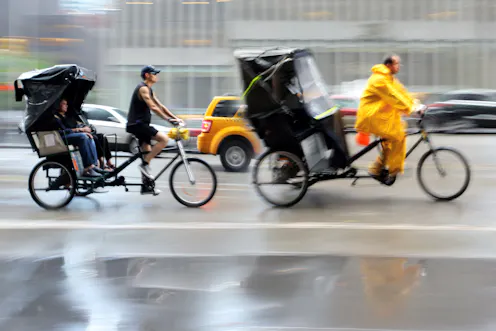
To cut emissions within the 12 years or so we have left to avoid disastrous global warming, we will need to change our old transport habits, using a combination of strategies to achieve this.

North Korea’s infrastructure is in dire need of expansion and modernisation. This is where the South can help.

Welcome to the era of TechPlomacy where a new world order is emerging around cities and their economies, rather than nations and their borders.
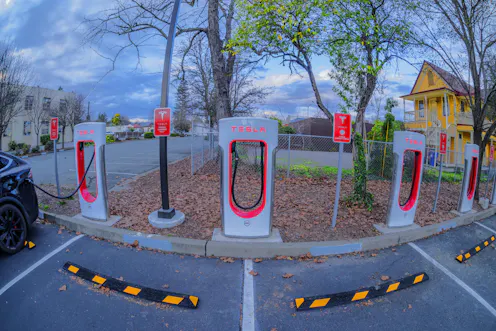
Governments racing to grab a lead in the global quest to position their countries for the car industry of the future.

If you think the internet has changed your life, brace yourself for the next digital innovation that’s set to transform our world.
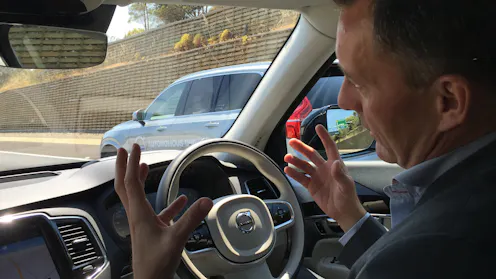
Can software really be considered the “driver” of an autonomous vehicle? This is one question that needs to be resolved before driveless cars can hit the roads.

Automated vehicles are set to shake up the business model of the automotive industry, resulting in less people owning cars and many more sharing instead.
Contact Hussein for
- General
- Media request
- Speaking request
- Consulting / Advising
- Research collaboration
- Research supervision
