
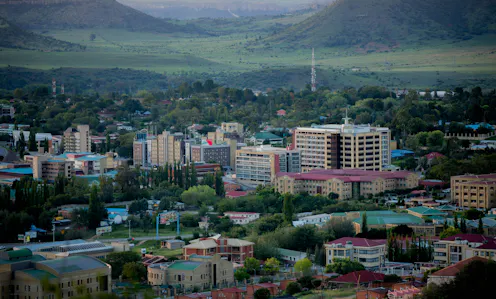
Lesotho, a constitutional monarchy, has been under domestic, regional and international pressure to change its constitution since 2012.
- Head of Department, Public and Environmental Law Department, University of Limpopo

The new governing coalition enters office amid euphoria and excitement. There are great expectations it will end corruption and fix the ailing economy.
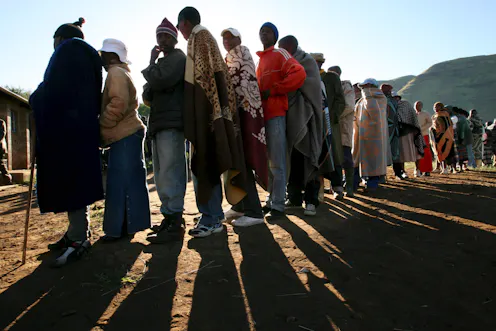
Despite their pretensions to support reforms, it is clear that successive governments are not interested in the reform.
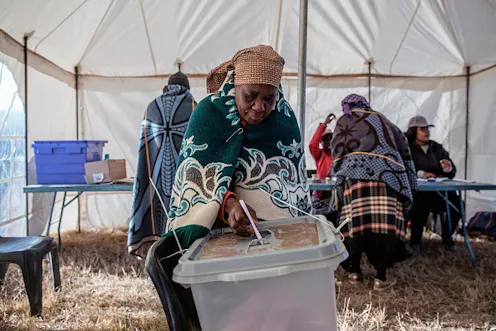
The country has had five governments in 10 years. Every time a government collapses, the reform programme follows suit.

Lesotho has done a good job of curbing the powers of its monarch and making its electoral system inclusive.
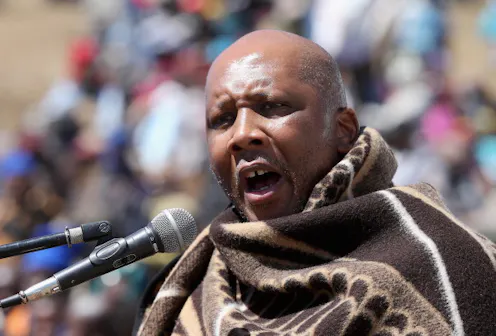
A monarch with absolute powers is just as dangerous as self-serving politicians in a democracy.
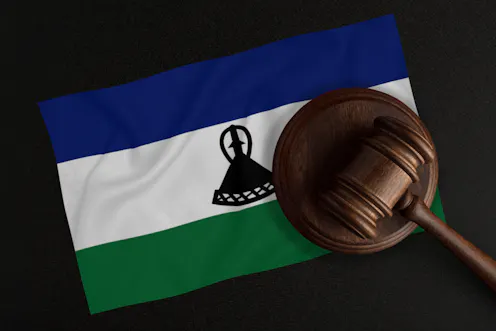
The appointment of judges has hitherto been an obscure and oftentimes clandestine affair. This has produced incompetent judges and led to claims that the judiciary is beholden to the executive.
The fundamental structure of the current constitution, which is cast in classical Westminster conceptions, is unsuited for modern-day constitutionalism.
The doctrine of equality is ingrained both in theory and in the express provisions of Lesotho’s constitution.
Contact Hoolo for
- General
- Media request
- Speaking request
- Consulting / Advising
- Research collaboration
- Research supervision
- Article Feed
- ORCID
- Joined
