
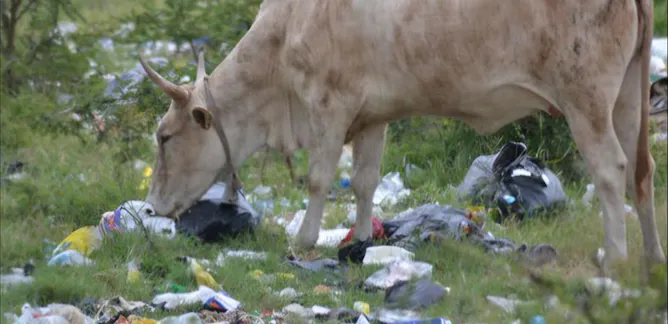
As plastic waste spreads across communal grazing land, smallholder farmers are losing livestock, income and an important source of food and security.
University of Limpopo

Links
Articles

Obesity remains a problem in Africa.
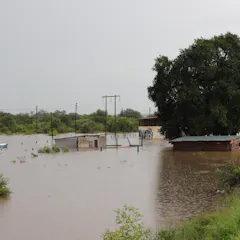
Severe floods hit parts of South Africa in January 2026, damaging roads and forcing evacuations.

Les aliments traditionnels d’Afrique pourraient détenir la clé d’un avenir plus sain et plus durable si nous faisons le choix de les valoriser.

Africa’s indigenous foods may hold the key to a healthier, more sustainable future – if we choose to value them.

A seven-year diplomatic dispute over the land earmarked for the ski resort ensured it was never built.
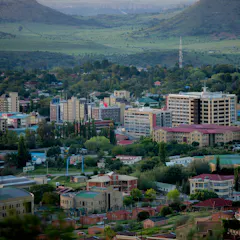
Lesotho, a constitutional monarchy, has been under domestic, regional and international pressure to change its constitution since 2012.

Fewer graduates means fewer data analysis experts to aid in knowledge creation and innovation.

Countries that have adopted clear food labels have seen the health benefits. Researchers explain how a new system to alert South African consumers to unhealthy choices was developed.
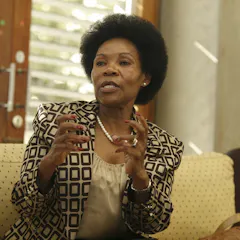
Justice Mokgoro’s advocacy for group solidarity and reconciliation is discernible in several of her judgments.

The new governing coalition enters office amid euphoria and excitement. There are great expectations it will end corruption and fix the ailing economy.
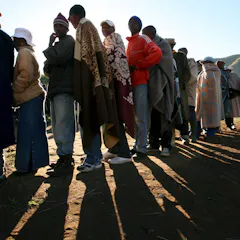
Despite their pretensions to support reforms, it is clear that successive governments are not interested in the reform.
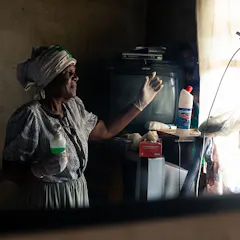
The future is bleak for Zimbabwe’s healthcare unless there are serious long-term reforms to build resilience.
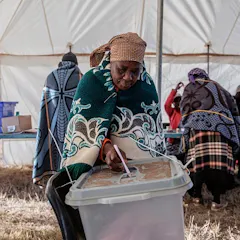
The country has had five governments in 10 years. Every time a government collapses, the reform programme follows suit.
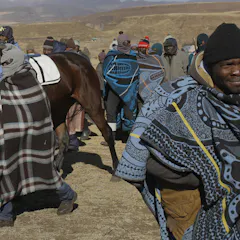
Lesotho has done a good job of curbing the powers of its monarch and making its electoral system inclusive.

Zondo’s career is made up of a tapestry of highlights, from lawyer to senior judge. He has written more than 200 judgments.
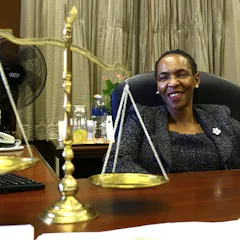
Her values of integrity, impartiality, professional ethics, and court decorum make her the ideal person to head the country’s judiciary.

A monarch with absolute powers is just as dangerous as self-serving politicians in a democracy.

The appointment of judges has hitherto been an obscure and oftentimes clandestine affair. This has produced incompetent judges and led to claims that the judiciary is beholden to the executive.
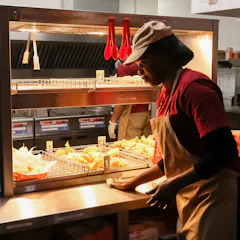
A disruption of societal norms created by industry interference is urgently required to create a shift in the food system.
Authors
-

Associate lecturer, University of Limpopo
-
Professor of History, University of Limpopo
-
Associate Professor of Statistics & Head of Department , University of Limpopo
-
Senior Lecturer, School of Physical and Mineral Sciences, University of Limpopo
-
Postdoctoral Research Fellow, Centre for Global Change, University of Limpopo, University of Limpopo
-
Head of Department, Public and Environmental Law Department, University of Limpopo
-
Associate Professor of Psychology, University of Limpopo
-
Senior Lecturer, University of Limpopo
-
Lecturer in Department of Human Nutrition and Dietetic, University of Limpopo
-
Professor, Department of Biodiversity, University of Limpopo
-
Professor and Research Associate in Health, University of Limpopo
-
Executive Dean and Full Professor, Faculty of Management and Law, University of Limpopo
-
Lecturer in Communications Studies, University of Limpopo
-
Senior Lecturer in Biological Systematics, University of Limpopo