

Australian and NZ farmers have long argued only cow’s milk should be sold as ‘milk’, in line with UK and European laws. This is what our current rules allow.
- Senior Lecturer in Science Communication, The University of Western Australia

Science communication has to start with values – and most of the time it does.
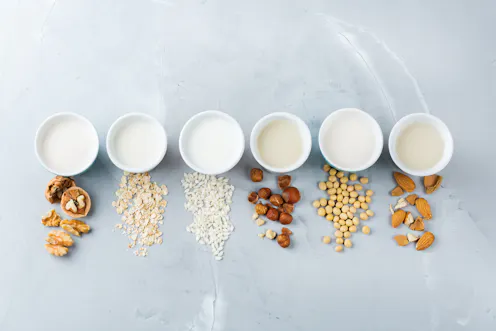
Margarine makers once had to colour their product pink. Calls to restrict the use of the word milk are similarly protectionist.
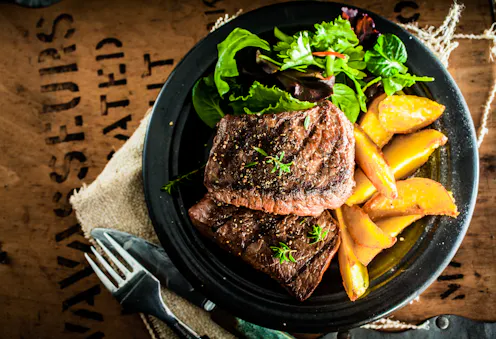
With the rising influence of celebrity chefs around the world, do restaurants have responsibilities to promote more ethical forms of eating?

Academics can control the way they engage with people, and communicate – and these are skills that get better with practice.
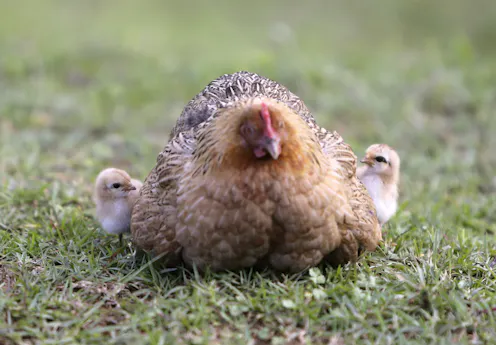
After Snowdale Holdings was penalised A$1 million for lying about their eggs being free-range, here are some tips on getting what you pay for in the supermarket.
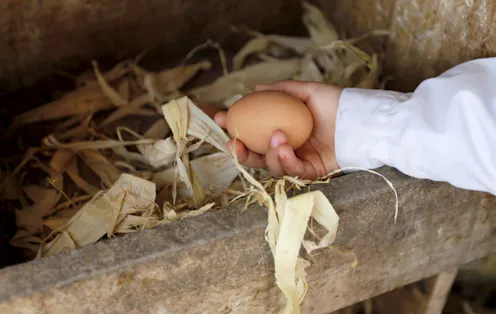
Many shoppers choose free-range eggs because they think they are tastier and healthier, rather than being motivated purely by concerns for hens’ welfare, a new study has found.

Informing people about genetically modified food means more than dumping more facts on them.
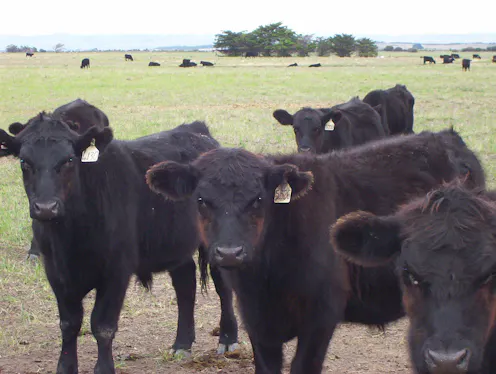
A new SBS doco will spark more questions about if and how we should eat meat.
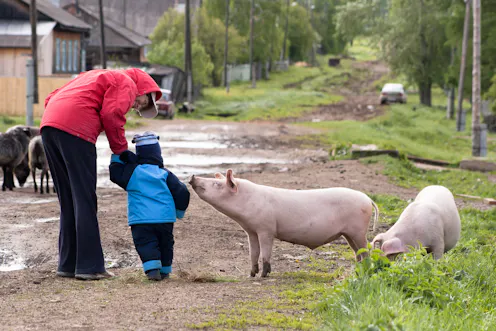
We’re a nation of meat eaters but city dwellers may have trouble discussing the origin of a steak with their offspring. And though there are programs teaching children how vegetables grow, there aren’t too many that involve raising an animal for food.

In this final instalment of GM in Australia – a series looking at the facts, ethics, regulations and research into genetically modified crops – Heather Bray and Rachel Ankeny explore the murky world of…
Contact Heather for
- General
- Media request
- Speaking request
- Consulting / Advising
- Research collaboration
- Research supervision
- Location: Australia
- Website
- X (formerly Twitter): @heatherbray6
- Article Feed
- ORCID
- Joined
