
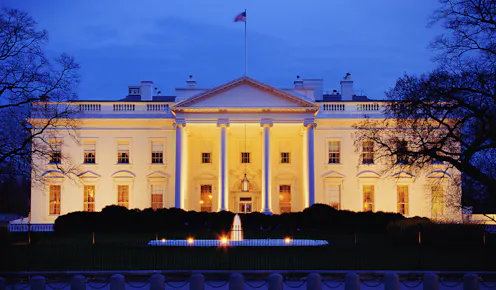
A new White House science strategy, laid out in a report titled Science: A New Golden Age, challenges an 80-year-old model that made the US the global scientific leader.
- Professor of Environmental Engineering, North Carolina State University
The move reshapes how future assessments of chemical dangers will be carried out, and if they’ll be ignored, delayed or understated to benefit industry.
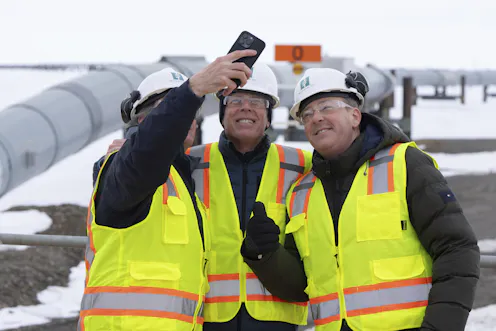
The 2009 finding that greenhouse gases endanger public health underpins many U.S. climate policies. A new report meant to challenge it may run afoul of several laws.
From detecting pollutants to assessing health risks, the US EPA’s Office of Research and Development has long ensured that environmental decisions are grounded in credible, cutting-edge science.
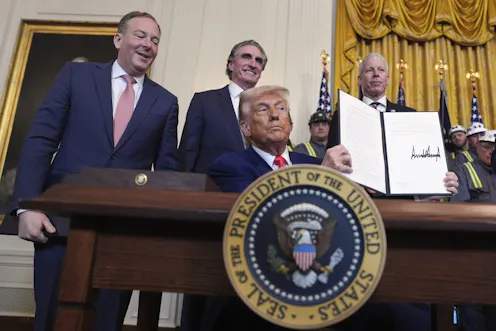
The first Trump administration also used words like ‘transparency,’ ‘reproducibility’ and ‘uncertainty’ − to try to block regulators from using important health studies when writing pollution rules.
The Trump administration’s job cuts and advisory board changes at the agency won’t change those rules, as a former EPA science adviser explains.

After a 5-year review, the EPA is leaving US standards for fine particle air pollution unchanged, even though recent studies suggest that tightening them could save thousands of lives yearly.
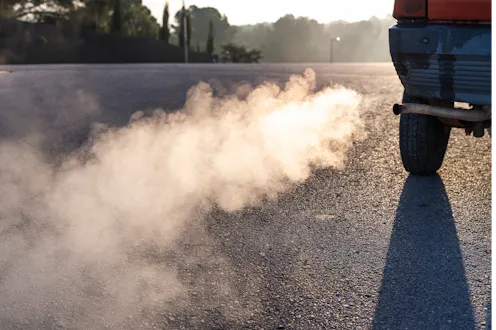
Scientists who were appointed to advise the EPA on air pollution kept meeting independently after the agency dissolved their panel. They say current regulations aren’t strict enough.

An air pollution expert with years of experience advising federal regulators describes how the Trump administration is speeding up reviews and reducing scientific input.
Contact H. for
- General
- Media request
- Speaking request
- Consulting / Advising
- Research collaboration
- Research supervision
- Location: Raleigh, North Carolina, U.S.
- Website
- X (formerly Twitter): @H_C_Frey
- Article Feed
- ORCID
- Joined
