

According to a new survey, almost 50% of Australian workers say they are overeducated. But there are more reasons to study than getting a job.
- Associate Professor, Melbourne Centre for the Study of Higher Education, The University of Melbourne
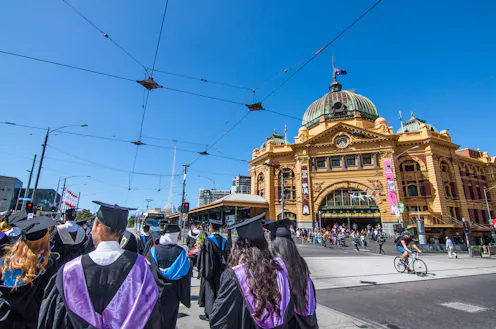
This week, Education Minister Jason Clare made an announcement that could reshape the landscape of international education in Australia.

A change to university funding is on the cards, but the Job-ready Graduates scheme is staying put for now.
The Universities Accord final report makes recommendations that could significantly change what many Australian students pay for their higher education.

A major higher education review is suggesting Australia puts a levy on international student fees.
The Conversation talks to University of Melbourne researcher Gwilym Croucher about what the Times Higher Education rankings mean.

The Universities Accord review wants universities and vocational education providers to collaborate more. It talks of ‘seamless’ transitions for students.
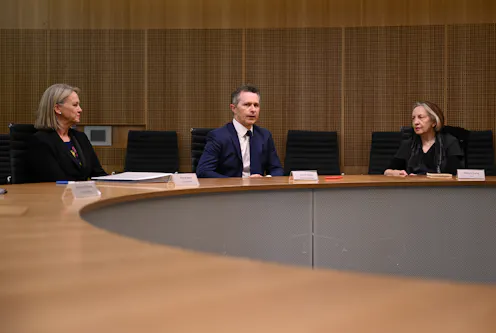
Education Minister Jason Clare has released the terms of reference for the broadest review of higher education in Australia since 2008.
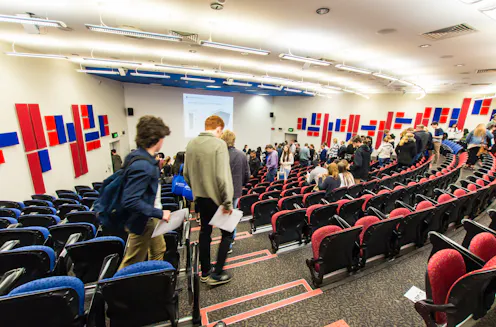
At best, when universities differentiate and specialise it can marshal talent and sharpen their focus. At worst. though, this debate can present universities with a false dilemma.
The focus on rankings has been more a symptom than a cause of the challenge Australian universities face, namely a structural change in their revenue base.
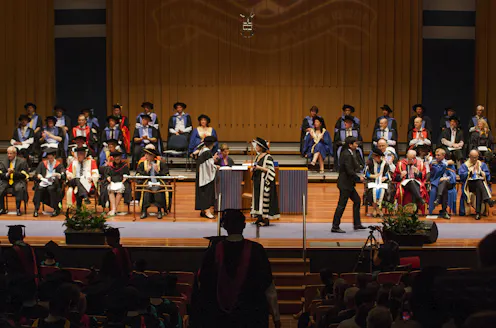
The sameness of ‘weird’ university leaderships creates well-documented risks for the sector and adds to the challenges of ensuring higher education meets future needs.

A post-war funding crisis forced universities to take the initiative in making their case to the public. A new history explores how universities did it and the changes they brought about.

This essay explores the way the social contract between universities, society and the state has changed over the course of the 20th century. And how generations of students paid and benefited.
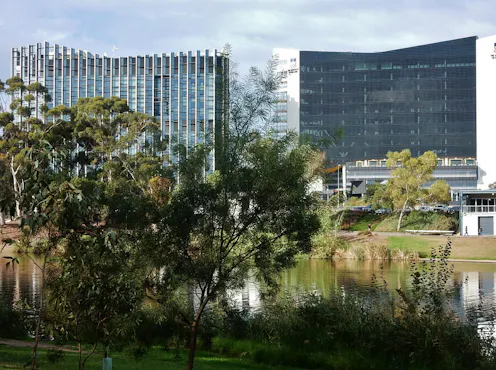
While creating a bigger university is an important incentive for this proposed merger, good leadership and a shared vision are needed to make it a success.
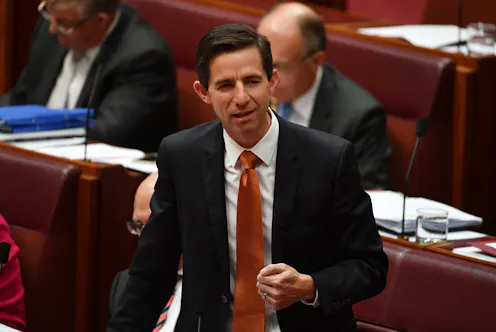
Education experts discuss changes to schools and universities following the federal treasurer’s budget speech.

Higher education reform means more pain for students and universities with long lasting consequences.

There are currently far too few vacant academic jobs in Australia each year to employ all our PhD students. It’s time to rethink the training of doctoral students.

If the flagship policy does not end up driving choice or quality, it is hard to see it gaining support.
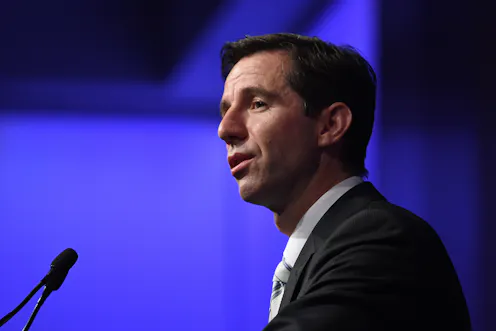
Despite the obvious differences over fee deregulation, there is more agreement between the political parties on higher education than slogans suggest.

The onus is now on students, universities and the wider public to make clear where they stand on the options laid out in the discussion paper.

A new report has called on the government to lower the threshold at which university graduates repay their debt from $54,126 to $42,000. But is this fair on students?

Councils matter to the character and success of a university. But do their members truly represent staff and students?

Being up front about what public investment goes towards in higher education is an important step for providing greater clarity for students.
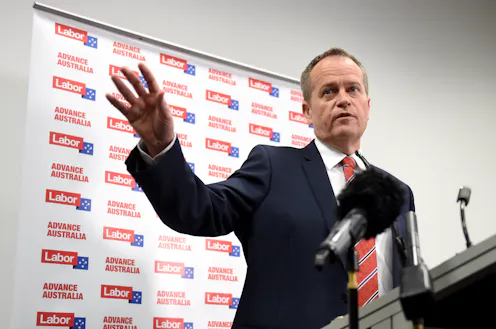
The opposition’s statement today rules out a number of the current government’s policies. Deregulation, as they’ve said before, but also plans to expand the demand-driven system.
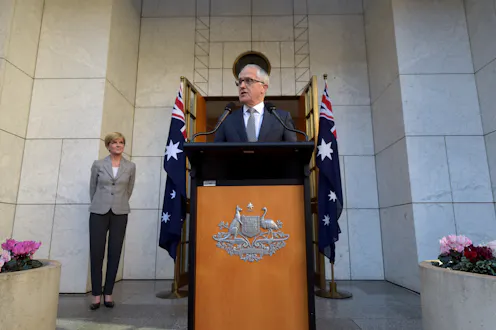
What are the key challenges for ministers entering new portfolios in Malcolm Turnbull’s first cabinet? The Conversation asked experts in key policy areas to respond.
Contact Gwilym for
- General
- Media request
- Speaking request
- Consulting / Advising
- Research collaboration
- Research supervision
- Location: Melbourne, Australia
- X (formerly Twitter): @Gwil_C
- Article Feed
- ORCID
- Joined
