

Turkey’s central bank has raised interest rates in a much-needed reversal from years of unorthodox economic policy.
- Professor of Finance, King's College London
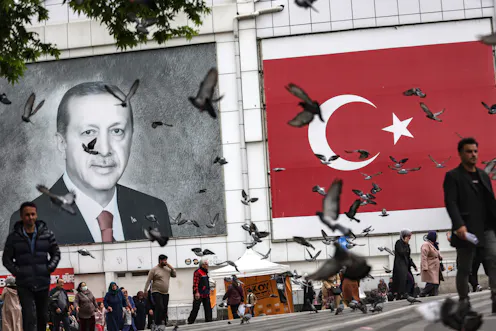
Whoever wins, the road ahead does not look pretty.
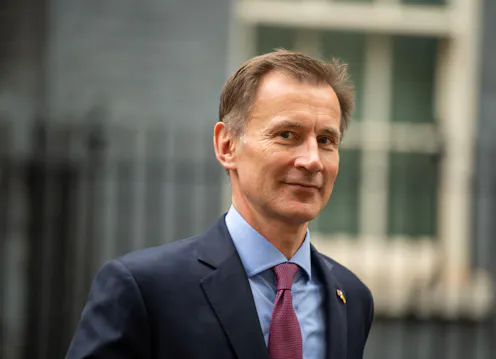
Cutting infrastructure spending and maintaining the pensions triple lock are among the questionable moves in Jeremy Hunt’s statement.
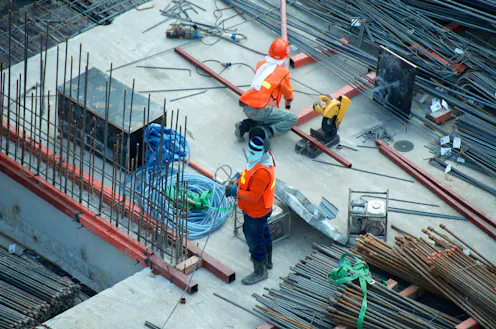
While the media mainly worries about the cost of employee NI hikes and household energy bills, they’re missing an important part of the story.
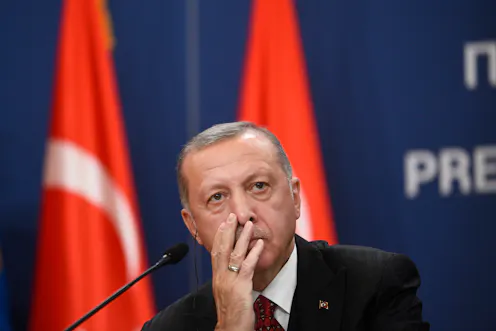
Contrary to most economists, President Erdoğan has long believed that raising interest rates increases inflation.
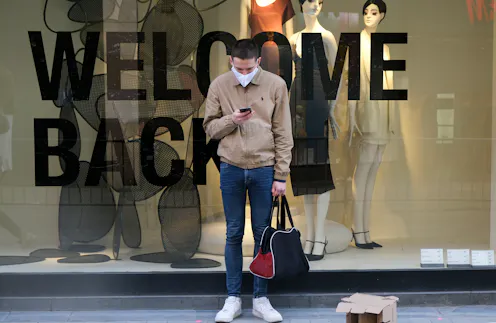
Some national economies will return to their pre-COVID levels this year, others not until 2025. What does this imbalance mean for the global economy?
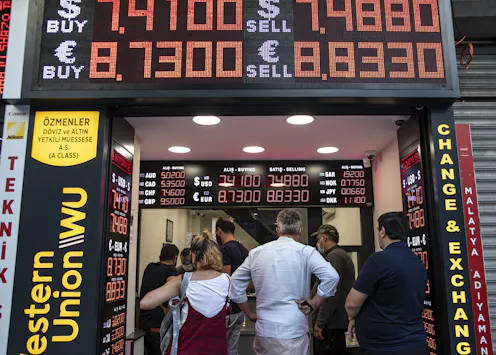
It’s two years since Turkey’s last near-death experience, and the same short-term fixes are unlikely to work again.

Employment levels regularly dip after crisis.
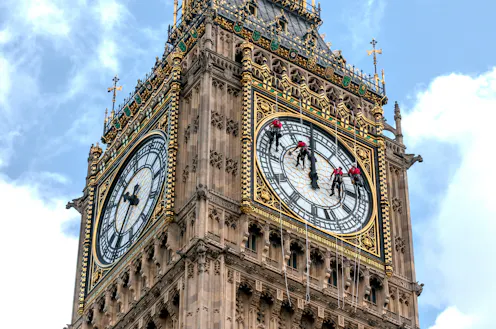
Parliaments might argue more but they make democracy more stable and produce stronger economies.
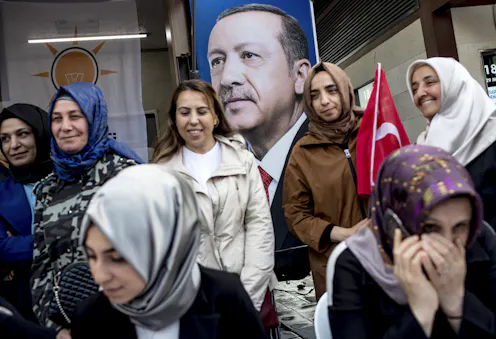
The Turkish lira has dropped more than 15% this year against the US dollar.
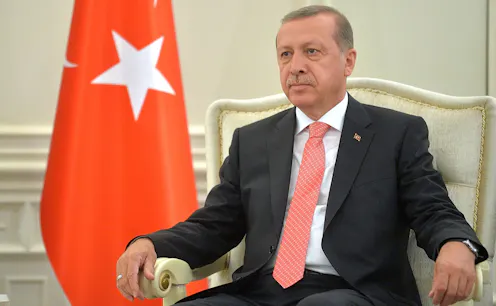
The latest atrocity will accelerate President Erdogan assumption of executive powers in Turkey..
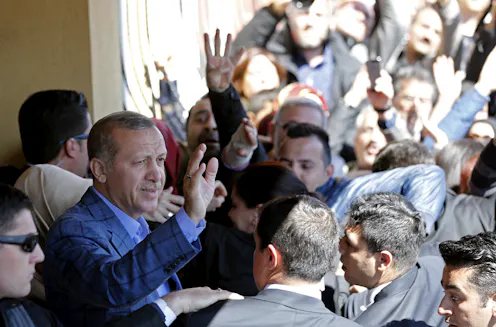
The Turkish people went to the polls at the weekend against a backdrop of some of the most serious unrest the country has seen in living memory. The local elections, in which the ruling AKP (Justice and…

In an extraordinary move Turkey has banned Twitter, blocking access to the social networking site that has more than 10m users in the country. The ban has come just hours after the prime minister, Recep…

Turkey has a stable government that has been popularly elected three times over the past 10 years. The economy is growing and the country is as close to reaching a peaceful solution to its long-running…
Contact Gulcin for
- General
- Media request
- Speaking request
- Consulting / Advising
- Research collaboration
- Research supervision
- Website
- Article Feed
- Joined
