

Farming seaweed, changing ocean chemistry, breeding corals and restoring mangroves could help fight climate change – if assessed and managed responsibly.
- Professor, Institute for Marine and Antarctic Studies and Director of the Centre for Marine Socioecology, UTAS, University of Tasmania
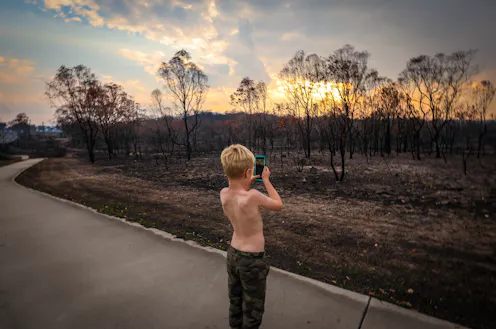
The result shows climate change education in schools must become more holistic and empowering, and children should be allowed to shape the future they will inherit.
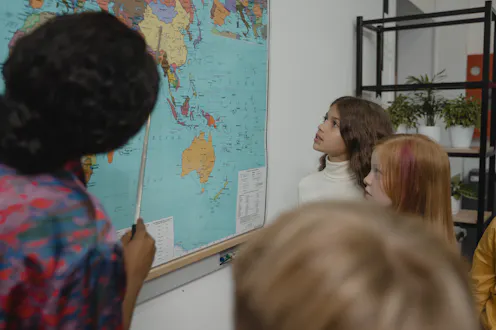
In a new study, teachers spoke about the difficulties of teaching young people about climate change without adding to their fears.
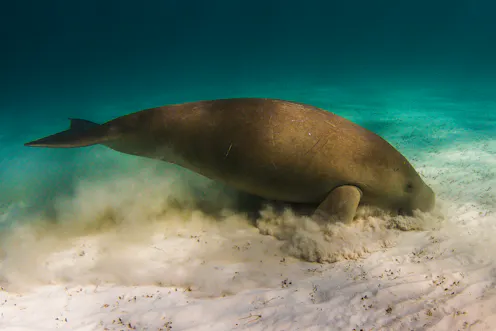
The world’s oceans are getting hotter, quicker. And our marine species are seeking cooler waters. Keep your eyes peeled and you might spot one of these species on the move.
Fear and Wonder is a new climate podcast, brought to you by The Conversation, and sponsored by the Climate Council. In episode five, we discuss how climate change is affecting vulnerable species.

The photographs show how climate change is disrupting our marine ecosystems – sometimes in ways previously unknown to marine scientists.
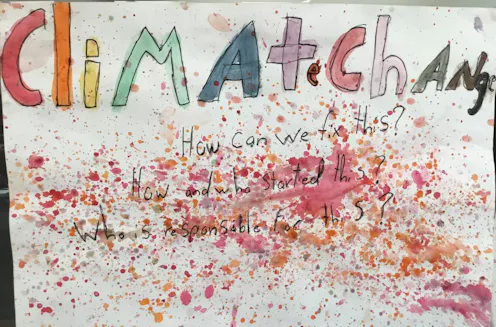
More of the curriculum is devoted to climate change, but it’s still not presented holistically. Teachers also need more training and resources to help them prepare students for a changing climate.

The latest IPCC Report lacked Aboriginal and Torres Strait Islander lead authors. This is a severe limitation to understanding and responding to climate change in this country.
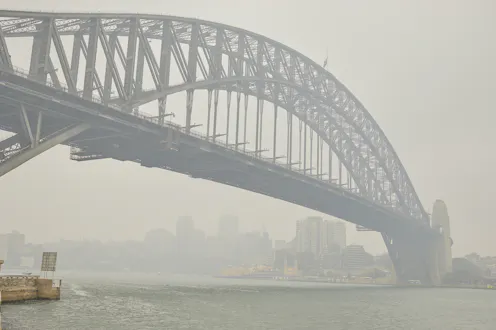
We are no longer in typical conditions. Climate change is already damaging human and natural systems we hold dear in Australia.
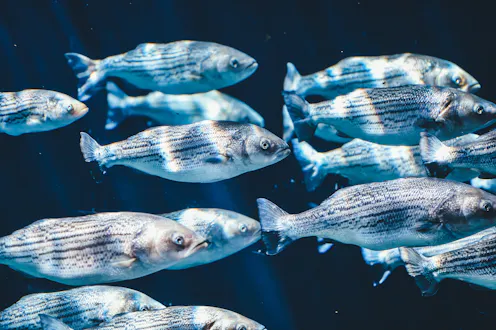
Australia’s oceans are warming faster than the global average, and fish are moving south as a result.
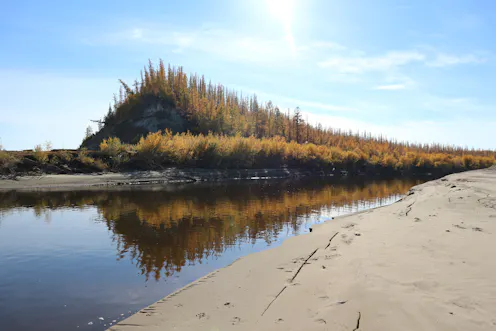
From luxuries like champagne to the very livelihoods of fishing communities in the developing world – the climate-driven shifts in species will affect us all.
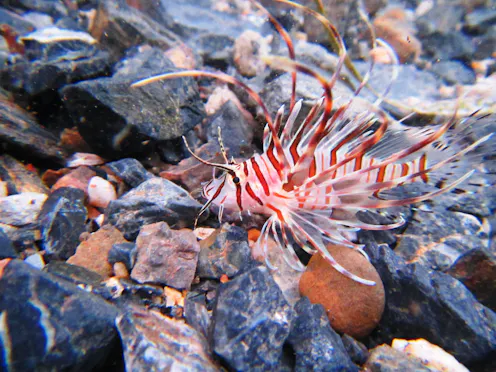
We know the warming seas are forcing some marine life to new waters, but we don’t know much about how fast and how far they are moving. But now you can help scientists find the answers with Redmap.
Contact Gretta for
- General
- Media request
- Speaking request
- Consulting / Advising
- Research collaboration
- Research supervision
- Location: Hobart, Tasmania, Australia
- Website
- BlueSky: @seachangeaustralia.bsky.social
- LinkedIn: professor-gretta-pecl-am-b54aa316
- X (formerly Twitter): @GrettaPecl
- Article Feed
- ORCID
- Joined
