
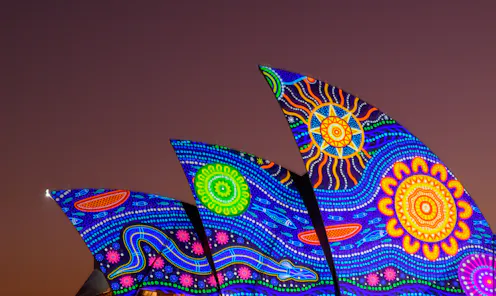
A barbecue, a protest … or a good book? We asked some of our leading historians to choose an illuminating Australia Day read.
- Professor of History and Politics, School of Humanities and Social Inquiry, University of Wollongong

Anthony Albanese won’t want to be the leader of the first incumbent government not to be re-elected after its first term since the 1930s, but it’s an uphill battle.
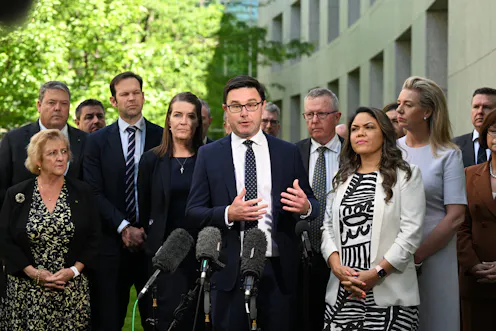
It is hard to say how big an influence the Nationals’ stance may have – but history shows us the Yes case in referendums is easily defeated.
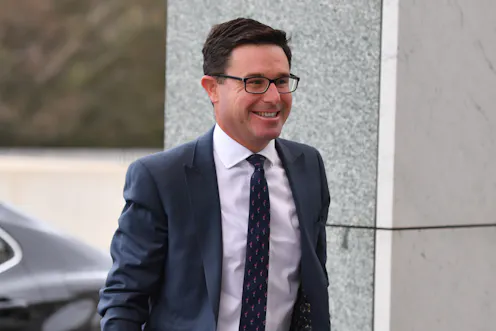
It’s early days for Littleproud’s leadership, but the policy issues the party faces – energy and live sheep exports, for example – are perennial.
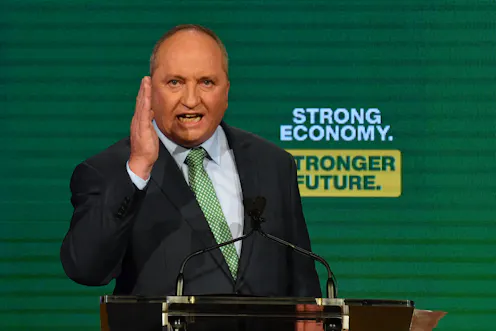
This election seems to indicate a major division opening up between the city and the bush.
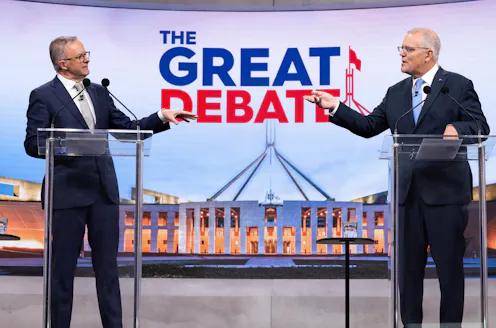
In the often fiery debate, the leaders answered questions about the cost of living, aged care, national security and a federal integrity commission, among other issues.
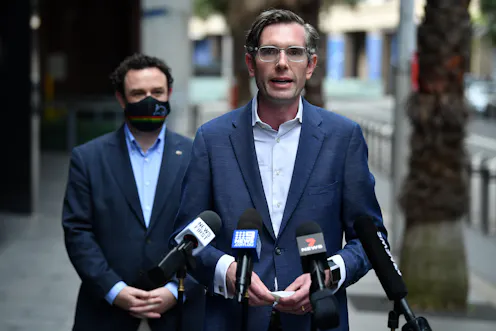
Perrottet’s conservative Catholicism has been much commented on, but it’s his economic background that likely gives a greater insight into the kind of premier he might be.
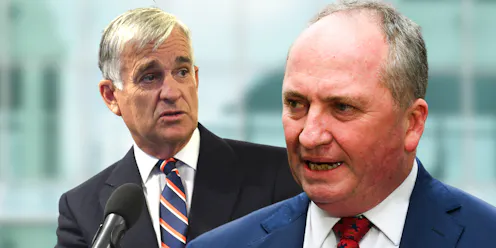
The new deputy prime minister is the latest in a long line of leaders in modern Australia who have prioritised style over substance.
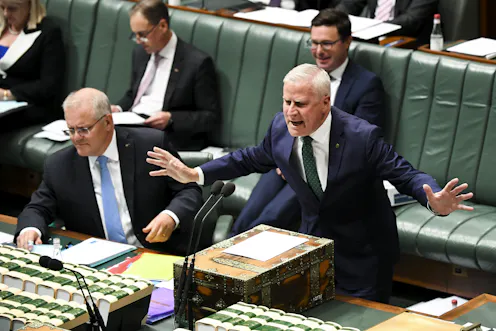
A review of Question Time in the House of Representatives aims to make it more democratic and more edifying. But it’s not the structure as much as the culture that needs fixing.
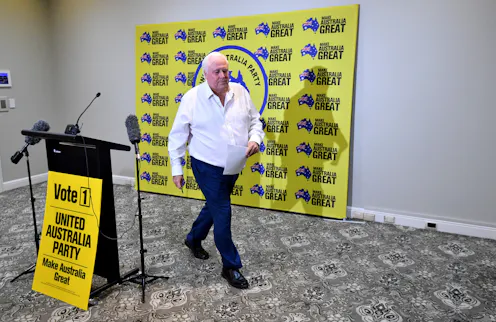
Australia has its own populist tradition. Unlike the US, it is about protecting Australians from the outside world, not asserting their liberties.
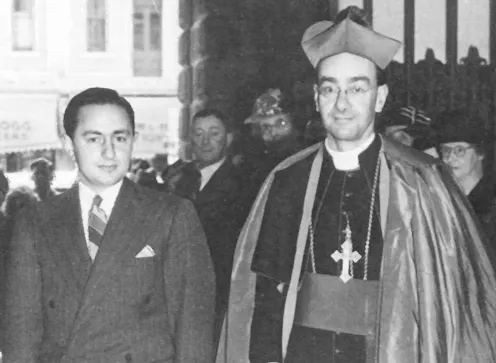
Bob Santamaria knew four Australian prime ministers. Is he the most significant figure in Australian politics never to have held office?
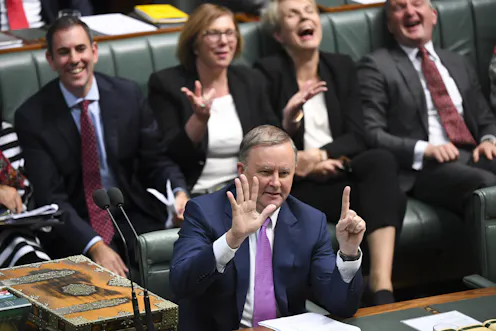
Question time is meant to be about accountability. But in practice, it is an opportunity for ministers to strut their stuff and for everyone to shout as loudly as they can.
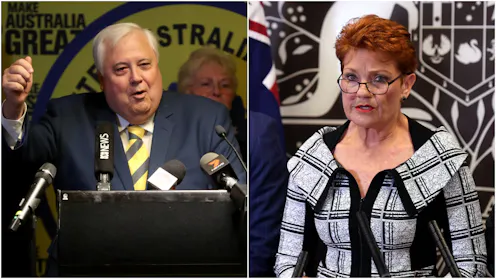
Australian populism is more of a long-term grumble about the state of the world than a sharp reaction to the threat of cultural loss.
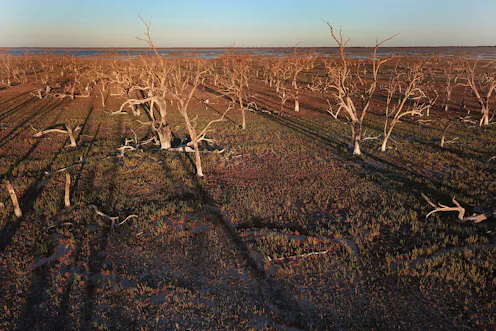
In 2019, the expectation is that the National Party will lose many seats and put the NSW Coalition government majority at risk.
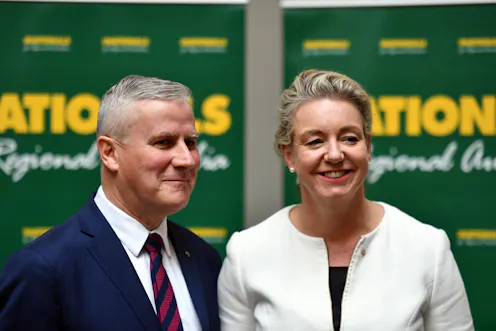
The National Party has the opportunity to use its role within the Coalition to exercise its influence on behalf of rural Australia.
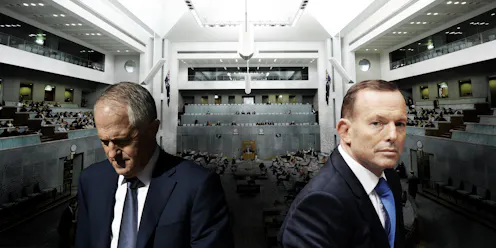
The Liberals once tried to build a big tent to include a range of political positions. Recent conflicts over energy, same-sex marriage and euthanasia show this is no longer sustainable.
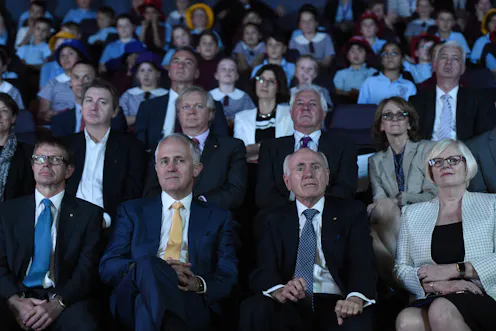
The battle between liberals and conservatives continues to split the Liberal Party, but its past heroes would find the ideological division puzzling.
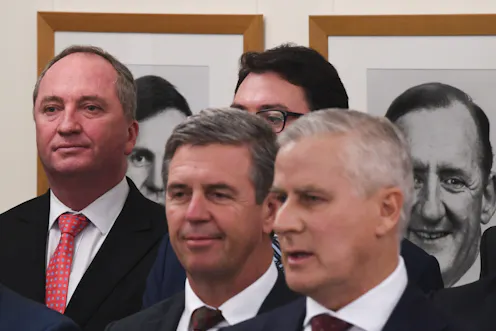
As the National Party looks to rebuild under a new leader, it needs to embrace its minority status, establish clearly what it stands for, and remain true to those ideals.
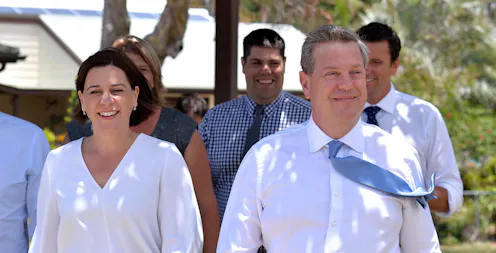
For the Queensland LNP, the divisions between the progressive and conservative forces within the party may hamper its political prospects.
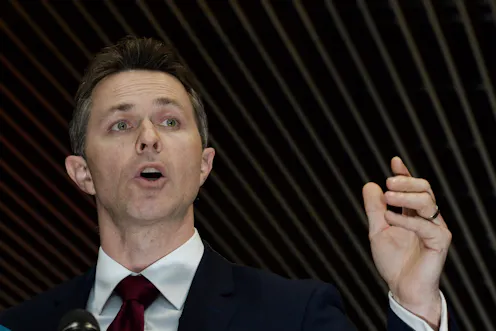
Some people may think it’s the duty of their MP to vote in the way they do. But political theory shows this doesn’t work.
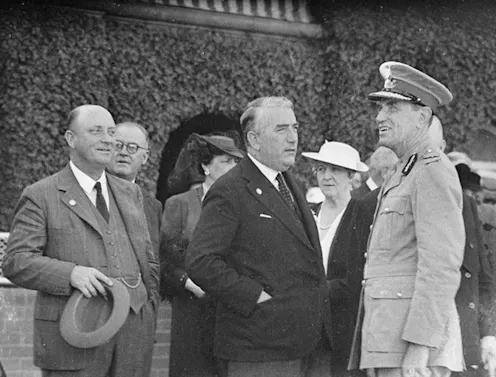
The formation of the Liberal-National coalition significantly changed Australian politics. But the Nationals’ influence has waned as Australia has become more urbanised.

Having moved so far from its origins in 1788, perhaps Australia Day should now be a celebration of Australian ‘ordinariness’.
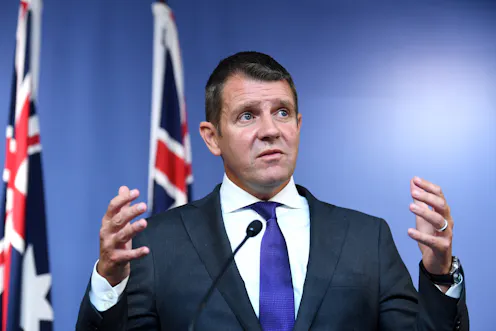
Mike Baird is the fifth New South Wales premier in ten years, and only one of them lost their job to an election. There’s little time, it seems, to learn and grow as a political leader.
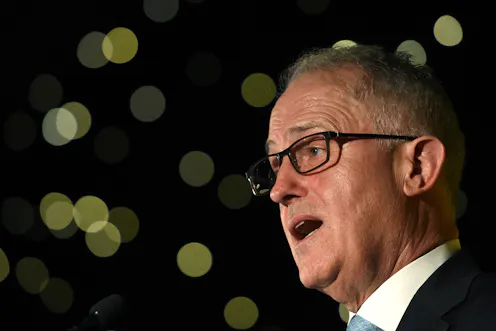
For Australians to vote in favour of a republic, it may require something more than just crossing out ‘governor-general’ in the Constitution and writing in ‘president’.
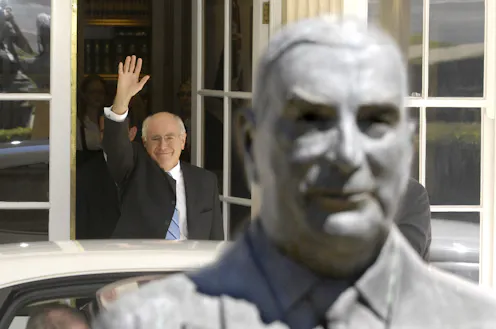
There can be no doubt that Australia became modern between 1949 and 1966, the year Robert Menzies retired as prime minister.
Contact Gregory for
- General
- Media request
- Speaking request
- Consulting / Advising
- Research collaboration
- Research supervision
- Location: Wollongong, Australia
- Article Feed
- ORCID
- Joined
